


Skeleton Keys in Witchcraft: Symbolism, Threshold Work, and Ritual Uses

Skeleton key spiritual meaning: in modern witchcraft and folk-magic practice, skeleton keys commonly symbolize access, thresholds, permission, secrecy, authority, opening roads, and deliberately locking or protecting boundaries.
A skeleton key is an ordinary metal object with an unusually rich symbolic vocabulary. It suggests access, permission, secrecy, authority, passage, and the ability to decide what may be opened or kept closed. For practitioners of contemporary witchcraft and folk magic, those associations make the key useful as a ritual focus for threshold work, road opening, protection, closure, and deliberate transition.
The object itself does not guarantee a spiritual result. Its usefulness comes from the meaning assigned to it, the structure of the working around it, and the consistency with which the practitioner uses it. This guide explains how skeleton keys are understood in modern practice, how to separate physical fact from spiritual interpretation, and how to work with one without turning symbolism into unsupported certainty.
What Is a Skeleton Key?
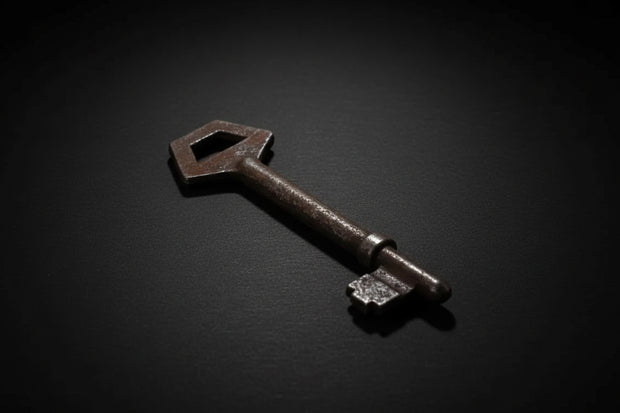
In historical locksmithing, the term skeleton key generally refers to a simplified key designed to pass the internal wards of more than one older-style lock. The name is also widely used today for antique keys, decorative replicas, cast-metal key shapes, and ritual objects that may not operate any physical lock.
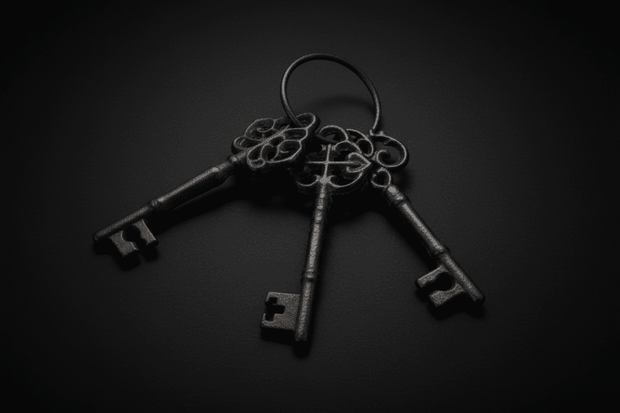
That distinction matters. A decorative ritual key should never be assumed to open a real door, chest, or lock. Its practical value may be entirely symbolic. The assorted skeleton keys and rustic cast-iron key set carried by The American Occultist are best approached as ritual implements, altar objects, charms, or components of a larger working rather than as functional locksmithing tools.
Why Keys Carry So Much Symbolic Weight
A key is defined by relationship. It points toward a lock, door, gate, chest, boundary, or guarded place even when none is physically present. This makes it especially useful when a ritual concerns the movement between two conditions: closed and open, restricted and permitted, hidden and revealed, stagnant and active, past and future.
In contemporary witchcraft, practitioners commonly associate keys with several linked ideas:
- Access: gaining entry to knowledge, opportunity, memory, or a new stage of practice.
- Authority: claiming responsibility for what one allows into a personal space or life.
- Thresholds: marking the boundary between one room, state, role, or period and another.
- Protection: symbolically locking a boundary after cleansing or establishing it.
- Release: opening a route away from stagnation, obstruction, or an outdated pattern.
- Secrecy and privacy: keeping personal work contained rather than exposed to every observer.
These are spiritual and symbolic interpretations, not measurable properties of metal. A useful practice names that difference clearly. The physical key is an object; the ritual meaning is created through tradition, intention, repetition, and personal experience.
Opening and Sealing Are Different Kinds of Work
Many beginners treat every key as an “opener,” but a key can also close, secure, restrict, or return something to containment. The direction of the working should be decided before the key is placed on an altar or carried as a charm.
Opening Work
Opening work is appropriate when the aim is movement, access, learning, opportunity, communication, or transition. The key may represent a route becoming visible, the practitioner granting themselves permission to proceed, or the removal of an internal hesitation.
Sealing Work
Sealing work concerns privacy, boundaries, endings, containment, or the decision that something no longer deserves access. The same key can symbolize closing a completed chapter, securing a home after cleansing, or limiting attention given to a draining pattern.
Why the Distinction Matters
“Open everything” is rarely a precise intention. A door without a defined destination can become a vague symbol rather than a useful ritual instruction. Stronger work identifies what is being opened, why access is appropriate, what boundaries remain in place, and when the opening should end.
Skeleton Keys and Threshold Work
Doorways, windows, gates, stairs, and property lines are physical transitions. In folk and magical practice, they are also commonly treated as symbolic boundaries where permission, protection, and movement are negotiated. Our related guide to threshold magic and boundary wards explores that larger framework.
If you're assembling a decorative doorway arrangement, bells, skeleton keys and related symbolic objects provide several formats. Use secure mounting and keep sharp iron pieces away from places people might touch.
A skeleton key can be placed near an interior doorway, on a household altar, or in a protected location near the main entrance to represent the authority of the household over its own boundary. The key does not replace ordinary security. Locks, lighting, smoke detectors, cameras, and responsible home maintenance remain the real-world protections of a building. The ritual object serves as a reminder of deliberate boundaries and the household rules attached to them.
When using a key at a threshold, define its role in one sentence. Examples include:
- “This key represents welcome for invited guests and closure against unwanted intrusion.”
- “This key marks the boundary between public demands and private rest.”
- “This key reminds me that access to my time and attention requires permission.”
The wording is more important than dramatic ornament. It tells the practitioner exactly what the symbol is meant to reinforce.
Road Opening and Opportunity Work
Road-opening work is often described as removing obstacles, but it is more useful when paired with concrete action. A key may symbolize access to employment, education, creative work, a healthier routine, or a needed conversation. The ritual should then be followed by the application, phone call, study plan, budget, appointment, or other practical step that makes movement possible.
A simple road-opening practice can be built around three written questions:
- What specific route am I trying to open?
- What is actually blocking it: circumstance, missing information, fear, habit, or another person’s decision?
- What action can I take within the next seven days?
Place the written answer beneath the key for a defined period, such as one week, and review it daily before taking the next practical action. In this structure, the key is an anchor for focus rather than a substitute for effort.
Protection, Boundaries, and Symbolic Locking
Keys fit naturally into protection work because access and refusal are inseparable. A boundary is not merely a wall; it is a rule about who or what may cross. Practitioners may use a key to represent control over that rule after cleansing a room, ending a difficult interaction, or establishing privacy around personal ritual work.
The key can be paired with methods discussed in folk protection and counter-magic, but restraint is valuable. Adding salt, smoke, oil, bells, stones, sigils, herbs, and multiple spoken charms to every working can blur the purpose. Choose only the tools whose symbolism directly supports the boundary being established.
For supplies selected around this type of practice, explore the store’s Protection, Banishing, and Ritual Supplies collections.
Closure and Containment Work
Not every ending requires destruction or banishment. Sometimes the goal is simply to close a period of attention. A key can be used in a reflective closure ritual for a completed project, former role, ended relationship, abandoned goal, or habit that no longer needs daily mental space.
Write what is being closed and what has been learned from it. Fold the paper, place the key on top, and state the boundary in plain language. Keep the paper only if continued reflection is useful; otherwise dispose of it responsibly. The point is not to erase memory but to change its authority over the present.
Ancestor and Spirit Work
Some practitioners use keys in ancestor veneration, spirit work, or rites concerned with passage between visible and unseen worlds. In those settings, the key may represent invitation, mediation, guarded communication, or the practitioner’s ability to close the rite when it is complete.
This use should be approached with discernment. A symbol of access is not a reason to invite unknown presences indiscriminately. Define whom the work concerns, what form of communication is acceptable, how the rite will end, and what signs would cause you to stop. People who interpret unusual experiences in spiritual terms should still consider ordinary explanations, emotional state, sleep, stress, and environmental factors.
Keys in Devotional Practice
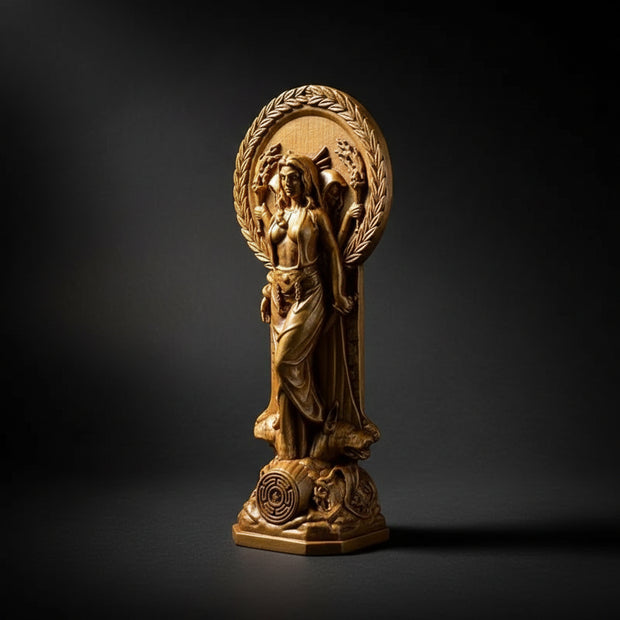
Keys are associated with certain deities and sacred figures in particular traditions. Hecate is one of the best-known examples in modern Pagan and witchcraft communities, where keys may be used as devotional symbols connected with crossroads, thresholds, guardianship, or passage.
For a deeper look at why these symbols belong together, read why Hecate is a liminal goddess.
That association is not a universal rule for all key work, nor does owning a key establish a devotional relationship. Practitioners should study the specific tradition, historical sources, and modern community context relevant to the deity rather than assuming that a popular symbol carries the same meaning everywhere.
How to Choose a Ritual Skeleton Key
The best key is not necessarily the oldest or most ornate. Choose according to function.
- Size: a small key works well in a charm bag or pocket; a larger cast-iron key has greater visual presence on an altar or wall.
- Weight: heavier keys can feel more permanent for sealing and boundary work, while lighter keys are easier to carry for road-opening intentions.
- Shape: a design may suggest a particular theme, but there is no universal code assigning fixed magical meaning to every bow or bit shape.
- Condition: check for rust, sharp edges, flaking coatings, or weak attachment points before carrying or hanging it.
- Function: decide whether the key will remain on an altar, mark a threshold, enter a charm bag, or be used only during formal workings.
The dedicated Skeleton Keys for Ritual Access & Threshold Work collection brings the available styles together for comparison.
How to Dedicate a Skeleton Key
Dedication is the process of assigning a stable ritual role to an object. It does not require an elaborate ceremony.
- Clean the object physically. Wipe away dust and inspect the surface. Do not soak unknown alloys or heavily rusted iron.
- Name its purpose. Choose one primary function: opening, sealing, guarding, transition, study, or devotion.
- State the limits. Define what the key does not represent. A key dedicated to career opportunity, for example, does not need to “open every door.”
- Mark the beginning. Hold or place the key while reading the purpose aloud. A candle, bell, incense, or written statement may be added when appropriate and safe.
- Record the dedication. Note the date, wording, location, and intended duration in a journal.
Once dedicated, consistency helps preserve clarity. Constantly changing the same key from protection to romance to money to spirit work can make the object less useful as a stable symbol. Separate keys are often better when the functions conflict.
Three Grounded Ways to Use a Skeleton Key
1. The Threshold Key
Place a dedicated key near a doorway where it will not interfere with the door or create a hazard. Write one household boundary and review it monthly. This may concern quiet hours, privacy, visitors, emotional conduct, or the separation between work and rest.
2. The Working Key
Keep a smaller key on the altar and place it beside petitions, plans, or journal entries involving access and movement. Remove the petition when the working ends, then review what changed and what action produced the change.
3. The Closure Key
Use a separate key for endings. Place it on a folded statement naming what is complete. Store the statement for a predetermined period, then revisit it once. This prevents a closure practice from becoming endless rumination.
Combining Keys With Other Ritual Tools
A key can function alone, but it also pairs naturally with tools whose purpose is distinct and complementary:
- A bell may mark the opening and closing of the working. See our guide to using ritual bells in witchcraft.
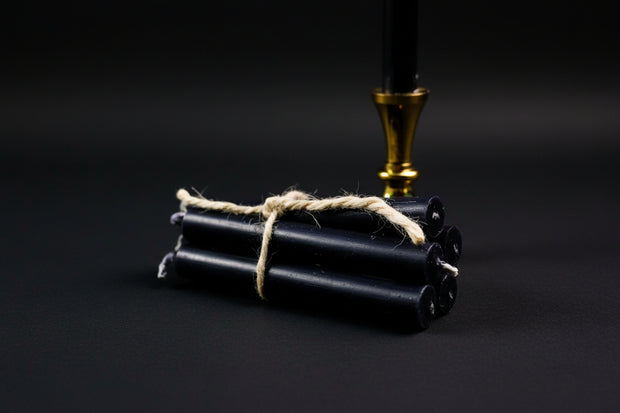
- A candle can provide a timed period of attention, provided ordinary fire safety is followed.
- A written petition defines exactly what is being opened or sealed.
- A protective stone may serve as a separate grounding symbol rather than being treated as proof of supernatural protection.
- A container or box can reinforce the theme of keeping something private, finished, or deliberately held.
Each addition should answer a question. What role does this tool perform that the key does not? When there is no clear answer, the extra object may be unnecessary.
Placement, Care, and Ongoing Practice
Keep ritual keys dry and inspect them periodically. Cast iron may rust when exposed to moisture, while plated alloys can discolor or shed their finish. Avoid placing metal directly against delicate wood, stone, fabric, or painted surfaces without a protective layer.
Record where each key is kept and what it represents. A simple journal entry can include:
- the key’s assigned purpose;
- the exact wording used during dedication;
- the beginning and review dates;
- practical actions taken alongside the ritual;
- observed outcomes and alternative explanations;
- whether the key should remain active, be rededicated, or be retired.
This record keeps personal experience separate from universal claims. A meaningful result for one practitioner is not proof that every key will produce the same outcome for everyone.
Common Mistakes
- Using a vague intention: “Open my roads” is less useful than naming the exact opportunity or decision involved.
- Opening without boundaries: specify what access is welcome and what remains closed.
- Expecting symbolism to replace action: applications, conversations, planning, security, and professional help still matter.
- Assigning too many roles to one key: conflicting purposes weaken clarity.
- Borrowing deity associations without study: a popular correspondence is not a substitute for learning the tradition.
- Ignoring physical condition: rust, sharp edges, and heavy hanging objects can cause real injury or property damage.
Safety and Ethical Boundaries
Ritual skeleton keys are symbolic tools. Do not use them to manipulate locks, trespass, test access to property, or imply authority you do not possess. Keep small metal objects away from children and pets, and secure heavy keys so they cannot fall.
Spiritual protection does not replace physical security, medical care, mental-health support, legal advice, or emergency services. When a situation involves stalking, violence, unsafe housing, coercion, or serious distress, seek practical assistance from qualified people and appropriate local resources.
Frequently Asked Questions
Does a skeleton key need to be antique?
No. Age can contribute personal or aesthetic meaning, but contemporary cast or decorative keys work perfectly well as symbolic ritual objects. Antique metal may also bring rust, lead-containing finishes, unknown residue, or fragile construction that requires extra care.
Can one key be used for both opening and closing?
Yes, provided the practitioner defines the direction clearly. Separate keys can be useful when opening and sealing are frequent, distinct parts of the practice.
Where should a protection key be placed?
Common choices include a household altar, a secure spot near the main entrance, or a private location associated with the boundary being maintained. It should never interfere with an actual lock, door, fire exit, or walking path.
Can I carry a skeleton key?
Yes. Choose a smooth, lightweight key without sharp edges. Place it in a pouch or attach it securely rather than allowing unfinished metal to damage clothing or skin.
Do skeleton keys have one fixed magical meaning?
No. Opening, sealing, thresholds, authority, opportunity, secrecy, and protection are common modern associations, but meanings vary by tradition and practitioner.
Choose the Key That Matches the Work
A skeleton key is most effective as a ritual symbol when its purpose is precise. Decide whether the work concerns access, transition, protection, privacy, release, or closure. Then choose a key whose size, weight, and placement support that function and pair the symbolism with practical action.
Explore the full skeleton key collection, select an individual assorted ritual key, or choose the more substantial set of three rustic cast-iron keys. You can also visit The American Occultist in Coshocton, Ohio, to compare available ritual tools in person and choose the object that best fits your working practice.
Tools for this practice
Explore the products selected for this guide. Review each listing for what is included and how to use it.
Shop this guide · 4 items Collapse


Keep exploring the shop
You made it to the end of the guide. Keep exploring through related products, major departments, or the full catalog.
 RELATED TO THIS GUIDE
Ritual Supplies & Altar Tools
Shop this topic
RELATED TO THIS GUIDE
Ritual Supplies & Altar Tools
Shop this topic


Leave a comment