


Spell Substitutions: Intent, Function, Tradition, and Safety

A missing ingredient does not automatically stop a ritual, but a substitution is more than replacing one item with another that appears in the same correspondence list. Materials can carry symbolic, physical, cultural, devotional, and structural roles. Change the material and you may preserve the working, adapt it, or create something meaningfully different.
The most reliable question is not “What can replace this?” It is “What is this material doing here?” Once that function is clear, you can decide whether a substitute is appropriate, safe, and honest.
Why Practitioners Substitute Materials
Substitutions may be necessary because of availability, cost, allergies, disability, household restrictions, smoke sensitivity, pets, children, environmental concerns, or a desire to use local materials. A careful adaptation can make practice safer and more sustainable without pretending that every material is interchangeable.
Common reasons include:
- an herb or oil is unavailable;
- smoke, flame, or fragrance cannot be used;
- a traditional ingredient is toxic or legally restricted;
- a material is culturally specific or requires community authority;
- the original object is too expensive or difficult to replace;
- a ritual must be simplified for time, mobility, or energy;
- the practitioner wants to work with local, familiar materials.
Identify the Material’s Function
One ingredient can perform several roles. Before replacing it, write down which role matters in this particular working.
Symbolic function
The material represents a quality, story, deity, element, planet, ancestor, season, or intention. Symbolic substitutions should belong to the system you are actually using, not merely share a keyword on a modern chart.
Physical function
The material burns, absorbs, binds, marks, contains, carries scent, dissolves, reflects light, produces sound, or gives structure. A symbolic match that behaves differently may fail physically.
Ritual function
The object marks an opening, holds an offering, represents a participant, seals a container, directs attention, or establishes a boundary. The form may matter as much as the substance.
Traditional function
The material is prescribed by a named tradition, text, lineage, household custom, or community. In that case, substitution may require guidance from the people who maintain the practice.
Personal function
The material has a documented relationship with your own history, place, family, or repeated practice. Personal meaning can support a personal system, but it should not be presented as universal tradition.
Match Function Before Correspondence
A correspondence table can suggest options, but it should not be the first or only test. Our guide How to Read Magical Correspondence Tables Critically explains why tables often combine different periods and traditions.
Use this sequence:
- Name the role. Is the item a carrier, offering, marker, fuel, container, witness, scent, or symbol?
- Name the system. Which tradition, author, or personal method assigns the role?
- Check physical behavior. Will the replacement burn, dissolve, stain, spoil, react, or break differently?
- Check safety. Consider toxicity, allergies, skin exposure, smoke, pets, pregnancy, medication, and fire.
- Decide whether the change is minor or structural. If the replacement changes the method, rewrite the instructions rather than pretending nothing changed.
- Record the substitution. Note what you used and why in your ritual record.
When Substitution Is Usually Straightforward
A substitution is often reasonable when the material is serving a broad, nonrestricted symbolic role and the replacement performs the same physical task.
Examples may include:
- using a white candle when a specific color is unavailable, while documenting the simplified color symbolism;
- using a written image instead of an open flame in a no-flame space;
- using clean water in place of a more elaborate libation when the tradition allows modest offerings;
- using a locally available flower for a personal gratitude rite rather than claiming it is the historical flower of a named deity;
- using a plain glass container rather than a decorative ritual bottle when containment is the essential function.
These examples remain context dependent. A simple personal spell allows more flexibility than a formal liturgy or initiation rite.
When a Substitution Changes the Working
A change becomes structural when it alters the ritual’s mechanism, theology, cultural identity, or material process.
Examples include:
- replacing a burned offering with a stored object;
- changing an edible preparation into a topical one;
- replacing a named deity’s traditional offering with an item chosen only for color;
- substituting a corrosive or reactive substance into a sealed jar;
- replacing a consecrated or initiated object with a retail product;
- using a material from another living tradition because both are described online as “cleansing.”
The result may still be meaningful, but describe it as an adaptation or new working.
Do Not Substitute by Appearance Alone
Similar appearance does not mean similar behavior. Two white powders can have entirely different chemical properties. Two clear stones can differ in hardness, cleavage, solubility, and toxicity. Two oils can have different skin-safety limits. Two plants with similar common names may be different species.
Never identify an herb, mineral, oil, resin, or powder by color alone. Keep supplier labels and use scientific names when identification affects safety.
Herb Substitutions
For herbs, separate symbolic use from ingestion, smoke, and skin contact.
- Symbolic placement: the herb remains dry and is not consumed or burned.
- Incense or smoke: combustion creates a different exposure route and may be unsuitable around asthma, pets, children, or poor ventilation.
- Topical use: plants and infused oils can irritate skin or interact with sunlight.
- Ingestion: requires correct species identification and health guidance; a magical correspondence is not evidence of food or medical safety.
Substitute an herb only within the intended route of use. A plant safe to display is not automatically safe to drink.
Oil Substitutions
Ritual oils may be fragrance oils, essential oils, infused oils, or prepared blends. They are not interchangeable.
Check:
- whether the oil is intended for candles, objects, skin, diffusion, or fragrance only;
- required dilution;
- flammability;
- photosensitivity;
- allergies and pet exposure;
- whether it damages wood, fabric, stone, metal, or painted surfaces.
Read How to Use Ritual Oils in Witchcraft before changing the application method.
Candle and Flame Substitutions
When flame is prohibited, identify what the candle contributes: light, timing, transformation, color, focus, heat, or a visible ending.
Possible adaptations include an electric candle, a colored cloth, a timed meditation, written illumination, reflective object, or a candle used outdoors in an approved safe location. An electric candle can represent light but cannot perform a physical burning or wax-reading method.
Stone and Crystal Substitutions
Do not substitute stones solely because both are assigned the same intention. Check whether the working requires a natural point, reflective surface, durable pocket stone, water-safe material, or specific mineral identity.
A polished sphere, tumbled stone, and natural crystal point can share a mineral species while functioning differently. See Tumbled Stones, Palm Stones, Towers, and Natural Specimens.
Cultural and Tradition-Specific Limits
Retail access does not create initiation, lineage, religious office, or permission. When a material belongs to a community-governed rite, the correct substitute may be “none” until guidance is available.
Review What Does “Closed Practice” Mean? and Cultural Appropriation vs. Cultural Appreciation before borrowing a culturally specific material because it appears in a generic correspondence list.
A Substitution Worksheet
- Original material:
- Source or tradition:
- Symbolic role:
- Physical role:
- Safety requirements:
- Proposed substitute:
- What remains the same:
- What changes:
- Does the ritual need rewritten instructions?
- How will the result be recorded?
Materials for an Adaptable Practice
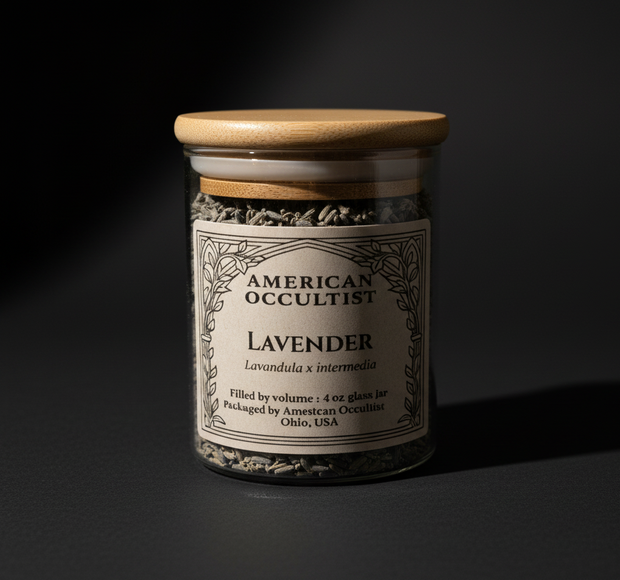
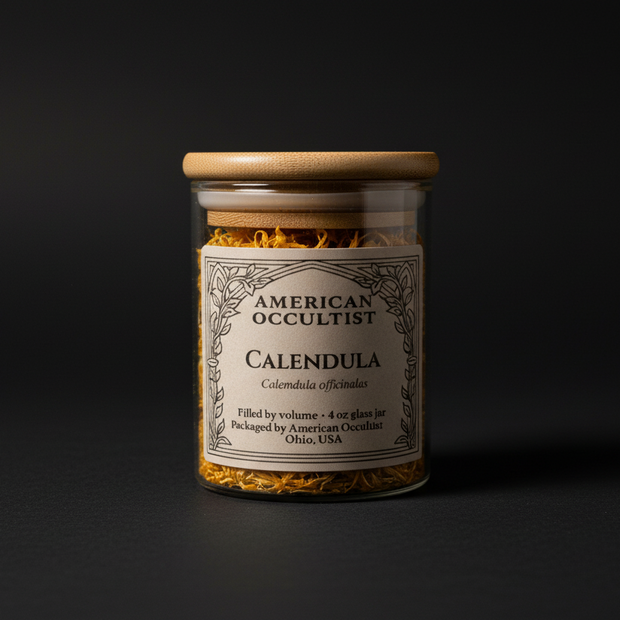
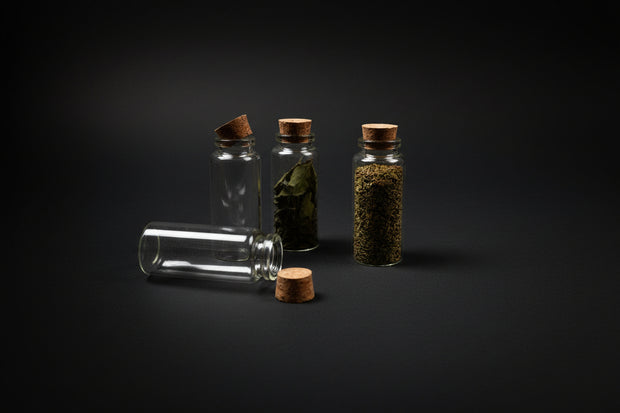
Browse Ritual Herbs, Ritual Oils, and Ritual Bottles & Apothecary Jars after deciding what function you need. Practical options include the Lavender Herb Jar, Calendula Herb Jar, and Glass Spell Bottle with Cork. Product availability provides choices; it does not make every item appropriate for every tradition or route of use.
Frequently Asked Questions
Can any white candle replace another candle color?
In many modern personal systems, white is used as a general substitute. That is not a universal rule. Record the adaptation and follow the color system of the practice you are using.
Can rosemary replace every herb?
No. That popular shortcut ignores physical safety, species, tradition, route of use, and the herb’s actual function in the ritual.
Does intention make the substitute equivalent?
Intention matters, but it does not change toxicity, combustion, cultural authority, chemistry, or the structure of a rite.
Can I substitute a picture of an offering?
A picture may serve as a symbol in a personal practice, but it is not materially identical to giving food, water, incense, labor, or another offering. Follow the relationship and tradition involved.
What should I do when no safe substitute exists?
Pause, omit the step where appropriate, choose a different ritual, or seek qualified guidance. Completion is not more important than safety or respect.
Adapt Honestly
A strong substitution preserves the function that matters, acknowledges what changed, and improves safety or accessibility without inventing tradition. Identify the role first, test the physical behavior, document the decision, and allow the result to be an adaptation when that is what it truly is.
Tools for this practice
Explore the products selected for this guide. Review each listing for what is included and how to use it.
Shop this guide · 3 items Collapse

Keep exploring the shop
You made it to the end of the guide. Keep exploring through related products, major departments, or the full catalog.
 RELATED TO THIS GUIDE
Ritual Herbs
Shop this topic
RELATED TO THIS GUIDE
Ritual Herbs
Shop this topic


Leave a comment