


Threshold Magic: Doors, Keys, Bells, Brooms, and Household Boundaries

A threshold is both an architectural feature and a point of transition. Doors separate public from private, outside from inside, guest from resident, work from rest, and one room from another. Because thresholds already regulate movement, many cultures and modern magical systems use them as places for protection, welcome, cleansing, blessing, and deliberate change.
Threshold magic works best when it begins with the real doorway: locks, lighting, accessibility, household consent, fire safety, weather, and the people who actually cross it. A ward is symbolic support. It does not replace locks, alarms, legal boundaries, conflict resolution, medical care, or emergency assistance.
What counts as a threshold?
A threshold may be:
- the main entrance to a home;
- a bedroom or private room;
- a shop door;
- a garden gate or property entrance;
- a porch, hallway, or stair landing;
- the boundary between an altar area and ordinary space;
- a temporary entrance to a group ritual;
- a symbolic transition marked by cloth, sound, movement, or words.
Not every boundary needs a permanent object. A spoken rule, closing routine, locked cabinet, posted sign, or agreed quiet hour can be stronger than decorative symbolism.
Begin with the physical boundary
Before adding ritual material, check:
- locks, hinges, latches, and door frames;
- smoke and carbon-monoxide alarms;
- lighting and visibility;
- trip hazards and loose rugs;
- weather stripping, moisture, and structural damage;
- accessible entry and emergency exit;
- privacy expectations;
- who has keys or access codes;
- whether tenants and household members consent to visible symbols.
Read Spiritual Protection for Beginners for a layered approach that keeps symbolic and practical protection distinct.
Choose one threshold function
A doorway can represent many things, but one clear function is easier to maintain:
- Welcome: mark hospitality and the conditions of entry.
- Privacy: establish that a room is not entered without permission.
- Protection: reinforce household safety and boundaries.
- Cleansing: create a routine for leaving outside dirt, noise, or work behind.
- Transition: shift into prayer, reading, rest, study, or ritual.
- Remembrance: acknowledge household history, ancestors, or a seasonal observance.
A welcoming front door and a restricted private room may need different language and symbols.
Written boundaries and intentions
Plain language can make a threshold clearer without implying supernatural enforcement:
- “Knock and wait before entering.”
- “This room is private.”
- “Only invited and respectful behavior is welcome here.”
- “Shoes and outside work stay here.”
- “No photographs or recording beyond this point.”
- “This ritual space closes when the work is complete.”
Avoid promises that no harm can ever occur. Focus on awareness, consent, action, and boundaries you are prepared to maintain.
Keys as symbols of access and responsibility
Keys symbolize opening, closing, custody, permission, secrecy, knowledge, and responsibility because that is what physical keys do. A key may represent:
- the right to enter a designated space;
- the duty to protect something entrusted to you;
- the beginning or ending of study or obligation;
- crossroads, gates, or deities associated with access in a specific tradition;
- a reminder that consent determines entry.
An antique-looking skeleton key is usually a symbolic object, not proof of historical or ritual provenance.
A simple key practice
- Choose the boundary the key represents.
- State who may open it and under what conditions.
- Place or carry the key where it will not create a hazard.
- Review the rule when residents, responsibilities, or access changes.
- Retire the symbol when the boundary no longer applies.
Bells at the doorway
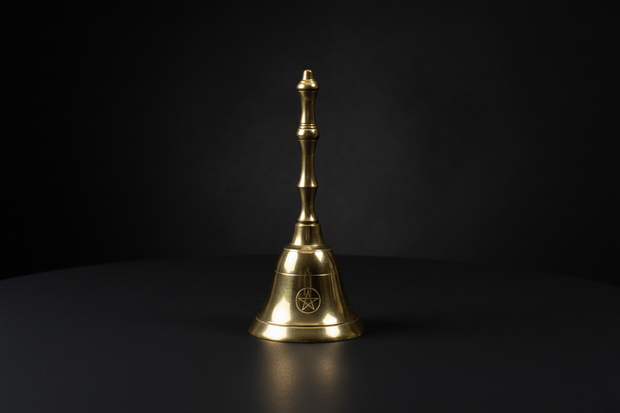
A bell can announce entry, focus attention, or mark the opening and closing of a brief practice. Sound is immediate and does not require flame or smoke.
Consider neighbors, quiet hours, sleeping residents, sensory sensitivity, trauma, migraines, hearing conditions, pets, and whether the bell could obstruct the door. Use a consistent pattern rather than escalating volume. Read How to Use a Ritual Bell in Witchcraft.
Brooms and symbolic sweeping
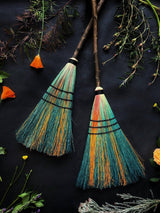
A besom or altar broom may mark symbolic clearing, preparation, or movement across a boundary. Symbolic sweeping does not replace removing dirt, allergens, glass, ash, wax, or mold.
For altar-sized, hand-sized, decorative, and full-size options, browse the Besom Brooms collection.
Safe uses include:
- sweeping above the floor without striking fragile objects;
- moving from the center of a room toward an exit as a visual sequence;
- marking the beginning of household cleaning;
- hanging a small broom securely near an entrance;
- using a separate decorative broom rather than contaminating a cleaning tool with oils or powders.
Do not scatter salt, herbs, ash, or powder where children, pets, wheelchairs, mobility aids, or bare feet cross.
Iron, nails, and household protection
Iron has a long and varied place in European folk belief, craft, architecture, and protection. Modern practice often uses nails, horseshoes, keys, or iron objects as boundary symbols.
A railroad spike, nail, or blade can puncture flooring, violate a lease, rust, cut someone, or create a trip hazard. Secure objects safely and distinguish documented regional practice from generic modern invention. Read Iron in European Folk Protection.
Removable and contained threshold wards
In rented, shared, or active spaces, use objects that do not damage the building or create hazards:
- a framed or removable sigil inside the doorway;
- a sealed vial or charm pouch on a secure shelf;
- a removable door hanging or card;
- a bell kept on an altar rather than attached to the door;
- a written household intention inside a drawer;
- a stable stone or plaque placed away from foot traffic;
- a key carried on your person;
- a silent gesture used when entering or leaving.
Do not nail, paint, carve, drill, stain, or mark shared or rented property without permission.
Water, salt, herbs, oils, and black salt
These materials are popular in threshold work but can damage the building:
- Water: may swell wood, stain paint, freeze, or create slips.
- Salt: may corrode metal, damage stone and plants, scratch floors, or attract moisture.
- Herbs: may attract insects, create allergens, stain carpet, or become moldy.
- Oils: may make floors slippery, damage finishes, ignite near flame, or affect pets.
- Black salt: may stain grout, scratch surfaces, corrode hardware, or be eaten by animals.
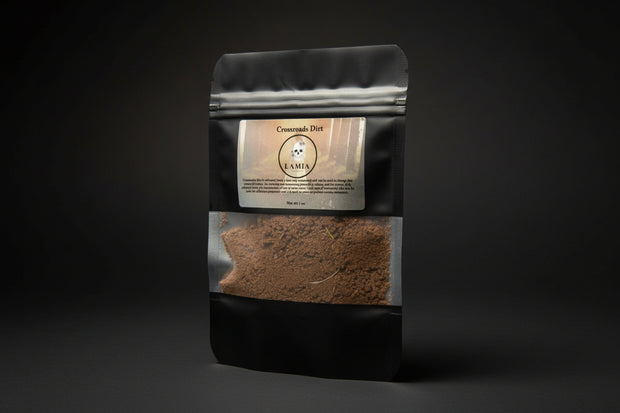
Use a sealed vial, covered dish inside a cabinet, labeled sachet, dry paper symbol, or spoken action instead of spreading material across a walkway. Read Black Salt in Folk Magic before preparing or placing it.
A simple threshold ritual
- Clean and inspect: repair the physical entrance and remove hazards.
- Name the purpose: welcome, privacy, protection, transition, cleansing, or closure.
- Write the boundary: use plain language household members understand.
- Choose one marker: key, bell, broom, cloth, light, removable symbol, or ordinary lock.
- Perform one action: ring once, sweep outward, lock and unlock, touch the frame, or read the statement.
- Close: confirm that the action is complete and return the doorway to normal use.
- Review: revisit the setup when access, safety, or household needs change.
Windows and property lines
Window wards should not interfere with exits, locks, blinds, ventilation, or fire safety. Use removable cards, decals, hanging objects, or a symbol kept nearby.
Do not scatter salt, ash, wax, herbs, glass, nails, or charms outdoors. Use lawful, practical markers such as fencing, signs, lighting, landscaping, cameras, or a symbolic object kept inside the property.
Shared homes and consent
Do not mark another person’s bedroom, hide materials in common areas, alter cleaning routines, or create smoke and scent without consent. A ward should not be used to control another resident or avoid a necessary conversation about household rules.
Maintaining a threshold ward
Review the practice when:
- you move into or out of a home;
- locks, access codes, or household members change;
- the object breaks, becomes dirty, or creates a hazard;
- the represented boundary is no longer relevant;
- a seasonal cleaning provides a natural review point.
Maintenance can be as simple as cleaning the object, repeating the intention, and confirming the related practical safety measure.
Retiring a threshold ward
Remove the object, state that its purpose is complete, and clean, store, repurpose, recycle, or discard it as appropriate. Seal loose powders before placing them in household trash. Do not abandon ritual materials on roads, at crossroads, in cemeteries, waterways, parks, or public land.
When threshold practice becomes fear
Adding more locks, powders, charms, oils, purchases, and repeated checks can intensify anxiety instead of creating safety. Pause when you feel unable to leave home, sleep, welcome trusted people, or stop checking the boundary.
Use one defined routine, record why it exists, and set a review date. Read When Protection Becomes Fear.
Frequently asked questions
Should a horseshoe face up or down?
Regional and family explanations differ. Some say points up hold luck; others place points down to pour blessing or guard the entrance. Document the tradition you are following instead of declaring one universal rule.
Can I put salt across my doorway?
Loose salt can damage surfaces, create slips, affect pets, and harm plants. A contained symbolic amount or nonmaterial action is safer.
Does a key need to fit a real lock?
Not for symbolic use, but describe it honestly. A decorative key represents access; it does not prove historical or ritual provenance.
Can I use threshold magic in a dorm or apartment?
Yes, with consent and property rules. Use removable, quiet, contained methods that do not block exits or damage surfaces.
How often should a threshold ritual be repeated?
Repeat it when the boundary changes, the space is formally reopened, or a scheduled review is useful—not because anxiety demands constant checking.
The doorway should still function as a doorway
A threshold practice should make entry, privacy, welcome, and transition clearer. Begin with the physical door, choose one function, use safe materials, obtain household consent, and let the routine support real boundaries rather than replace them.
For a deeper look at keys as threshold symbols, see Skeleton Keys in Witchcraft: Symbolism, Threshold Work, and Ritual Uses.
Tools for this practice
Explore the products selected for this guide. Review each listing for what is included and how to use it.

Shop this guide · 4 items Collapse



Keep exploring the shop
You made it to the end of the guide. Keep exploring through related products, major departments, or the full catalog.
 RELATED TO THIS GUIDE
Ritual Supplies & Altar Tools
Shop this topic
RELATED TO THIS GUIDE
Ritual Supplies & Altar Tools
Shop this topic


Leave a comment