


Uncommon Ritual Flowers: Calendula, Hibiscus, Jasmine, Blue Lotus & More

Part 6 of the Ritual Botanical Field Guide.
Rose and lavender dominate beginner correspondence lists, but a ritual flower shelf can hold far more varied materials: calendula, cornflower, hibiscus, jasmine, blue lotus, meadowsweet, passionflower, elderflower, and red clover blossom. Their color may be the first detail you notice, but color alone is a thin reason to choose a species.
This comparison uses species, scent, form, season, and folklore to separate uncommon ritual flowers. Meanings vary by culture and practice. A traditional association is context, not proof of a guaranteed result.
Whole Flower, Blossom, or Petal?
A whole dried flower may include petals, sepals, a center disk, and a short stem. “Blossom” is a broad common term. A petals-only product has a different texture and visual effect from an intact flower head. Record the form you actually receive rather than rewriting every floral material as petals.
Form matters in practice. Whole blooms can represent completion or visible presence; loose petals can represent dispersal, gradual release, or many small expressions. These are interpretive choices, not botanical laws.
Quick Flower Comparison
| Flower | Common modern ritual frame | Useful distinction |
|---|---|---|
| Calendula | Warmth, visibility, confidence, solar renewal | Golden color is prominent but not its only layer |
| Cornflower | Clarity, loyalty, subtle beauty | Blue color often drives modern use |
| Hibiscus | Bold attraction, vitality, passion, vivid expression | Dried flower may look darker than the fresh bloom |
| Jasmine | Invitation, sensuality, night, devotion | Species and fragrance products are frequently confused |
| Blue lotus | Contemplation, liminality, dream symbolism | Common names and species identification require care |
| Meadowsweet | Hospitality, joy, harmony, gentle blessing | Folklore differs across regions and sources |
| Passionflower | Peace, devotion, intricate spiritual focus | Its common name has Christian historical context |
| Elderflower | Thresholds, protection, reciprocity, seasonal change | Elder folklore often includes rules of respect |
| Red clover blossom | Good fortune, practical abundance, community | Blossom is separate from clover leaf symbolism |
Calendula and Cornflower: Two Forms of Visibility
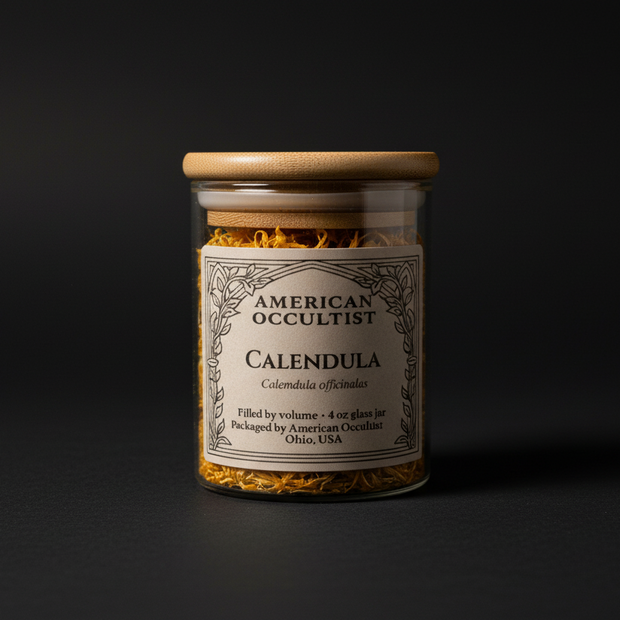
Calendula is frequently connected with warmth, confidence, joy, and visible success. Its gold-to-orange color supports solar symbolism, while its long blooming habit can suggest endurance and renewed expression.
Cornflower — Centaurea cyanus offers a cooler form of visibility. Modern sources often associate it with clarity, loyalty, remembrance, or subtle beauty. Choose calendula when the intention is radiant and warm; choose cornflower when it is precise, calm, or quietly noticeable.
Hibiscus and Jasmine: Attraction Is Not One Mood
Hibiscus is commonly framed around bold attraction, vitality, passion, and unapologetic expression. The dried material may be burgundy or dark red rather than matching a fresh flower photograph, so color variation alone is not evidence of substitution.
Jasmine Flower — Jasminum odoratissimum is often associated with invitation, sensuality, night, beauty, and devotion. A jar of identified jasmine flower is not the same thing as jasmine fragrance oil, an incense blend, or tea scented with jasmine.
For a dramatic, outward expression, hibiscus is often the clearer symbolic choice. For invitation, intimacy, or nocturnal devotion, jasmine may be more coherent. Neither flower guarantees romantic attention or another person’s consent.
Blue Lotus and Passionflower: Contemplative Flowers
Blue Lotus Flower is commonly placed in contemporary practices involving contemplation, dream imagery, liminality, or sacred beauty. “Blue lotus” is a common name used inconsistently in commerce, so read the botanical name and do not rely solely on a blue product photograph.
Passionflower carries an intricate flower structure and a common name shaped by Christian symbolism concerning the Passion. Modern occult sources may extend it toward peace, devotional focus, or loosening conflict. That historical naming context makes it more specific than a generic “calming flower.”
Ritual symbolism is not a medical direction. Do not use either ritual jar as a tea, tincture, smoking product, or treatment.
Meadowsweet, Elderflower, and Red Clover: Community and Season
Meadowsweet — Filipendula ulmaria is often connected with hospitality, joy, harmony, and gentle blessing in modern magical writing. Its name and meadow habitat contribute to a social, celebratory frame.
Elder Flowers sit within a much larger body of European elder-tree folklore involving thresholds, protection, reciprocity, and respect. Taking one favorable correspondence while ignoring the lore’s cautions and cultural context creates a shallow reading. Use elderflower when you are prepared to document the tradition you are following.
Red Clover Blossom is frequently associated with everyday good fortune, shared prosperity, practical abundance, or community. It provides a useful alternative when “abundance” should mean sufficiency and mutual support rather than luxury.
Choosing Beyond a Color Chart
- Start with the species. The flower’s identity should come before its color.
- Notice the sold form. Whole bloom, blossom, and loose petal behave differently.
- Research cultural history. A common name may contain religious or regional context.
- Match the emotional register. Bold hibiscus and quiet cornflower do not communicate the same kind of visibility.
- Use a contained method. Fragile flowers rarely need fire or outdoor scattering.
Contained Ritual Uses for Dried Flowers
- Display the labeled jar near a written intention.
- Place an intact bloom in a sealed specimen vial.
- Use a flower photograph or botanical illustration in a journal.
- Arrange closed jars by season, not only by color.
- Write the species name on a paper token when the physical flower is unnecessary.
Dried blossoms can shed dust and may be attractive to pets or insects. Store them away from moisture and direct sunlight. Our witchcraft-supply storage guide covers labeling and containment.
Frequently Asked Questions
Are whole flowers more powerful than petals?
No. They are different physical forms, not levels of power. Choose the form that best supports the symbolism and handling method.
Is every product called blue lotus the same species?
No. Common names can be inconsistent. Check the botanical name and supplier description for the exact product.
Is ritual jasmine the same as jasmine tea?
No. Jasmine tea is a food product made under food-handling standards and may use tea leaves scented with flowers. A ritual flower jar is not a beverage ingredient.
Can dried flowers go in a bath?
Not unless the exact product is prepared and labeled for cosmetic or bath use. Ritual jars may introduce allergens, particles, dyes, or materials unsuitable for skin and plumbing.
Does flower color determine the correspondence?
Color can be one interpretive layer, but species, history, scent, season, form, and personal or tradition-specific context matter too.
Next in the series: Seeds, Berries, Peels, and Spices.
Tools for this practice
Explore the products selected for this guide. Review each listing for what is included and how to use it.


Shop this guide · 4 items Collapse


Keep exploring the shop
You made it to the end of the guide. Keep exploring through related products, major departments, or the full catalog.
 RELATED TO THIS GUIDE
Ritual Herbs
Shop this topic
RELATED TO THIS GUIDE
Ritual Herbs
Shop this topic


Leave a comment