


Walking the Left Hand Path: Embracing the Shadow for Spiritual Power

The Left-Hand Path is an umbrella term used in occult and religious discussions for traditions that emphasize individual sovereignty, self-directed spiritual development, antinomian symbolism, and the deliberate examination of ideas that conventional religion may reject.
The label does not describe one unified religion, and it should not be treated as a synonym for criminality, cruelty, or unrestricted behavior. Different writers and communities define it in significantly different ways.
What Is the Left-Hand Path?
The modern Western use of the term was influenced by interpretations of South Asian tantric categories and later adapted by nineteenth- and twentieth-century occult writers. In contemporary occultism, it often contrasts paths centered on personal sovereignty with paths centered on submission, union, or external religious authority.
Common Left-Hand Path Principles
Individual Sovereignty
The practitioner treats personal judgment, responsibility, and self-development as central rather than relying entirely on an outside authority.
Self-Deification
Some traditions use this term metaphorically for developing personal agency, excellence, and an independent spiritual identity. Others understand it more literally within their theology.
Shadow Integration
Practitioners may examine anger, desire, pride, fear, mortality, and other rejected or uncomfortable parts of experience rather than treating them as automatically impure.
Questioning Taboos
Taboo symbols may be used to challenge inherited beliefs or fear. Responsible practice still requires consent, legality, personal safety, and accountability.
Personal Ethics
Many practitioners reject universal religious commandments while developing their own ethical framework. Self-direction does not remove responsibility for consequences or the rights of other people.
Traditions Often Associated With the Left-Hand Path
- Atheistic and theistic forms of Satanism
- Luciferianism
- The Temple of Set and Setian traditions
- Some forms of chaos magic
- Certain antinomian tantric systems, discussed within their own cultural and historical contexts
- Independent occult systems centered on self-deification or adversarial symbolism
Left-Hand Path and Right-Hand Path
The contrast is usually described as self-deification versus union, personal authority versus external authority, and antinomian exploration versus observance of established religious rules. These are broad categories rather than precise labels for every religion or practitioner.
Common Misconceptions
“The Left-Hand Path is automatically evil.”
The term describes a spiritual orientation or method, not a guarantee of ethical or unethical behavior.
“Every Left-Hand Path practitioner worships Satan.”
No. Some are Satanists, while others are Luciferian, Setian, polytheist, agnostic, atheistic, or independent.
“Personal sovereignty means no rules.”
Serious self-directed practice still requires boundaries, informed consent, lawful conduct, and responsibility for consequences.
How to Study the Left-Hand Path
- Compare definitions from several traditions rather than relying on one author.
- Separate historical material from modern occult interpretation.
- Write a clear personal ethical framework.
- Avoid organizations that promote coercion, hate ideology, abuse, or criminality.
- Use ritual and symbolism to support reflection rather than replace practical judgment.
Frequently Asked Questions
Is the Left-Hand Path a religion?
It is better understood as an umbrella category that includes several religions, philosophies, and magical systems.
Is the Left-Hand Path the same as black magic?
No. The categories overlap in some writing, but they are not interchangeable.
Can someone combine Left- and Right-Hand Path ideas?
Some practitioners do, although the two labels describe different priorities and may remain philosophically in tension.
Related Reading
Tools for this practice
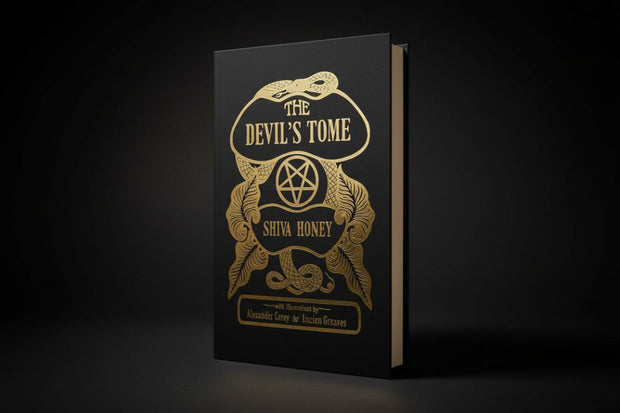
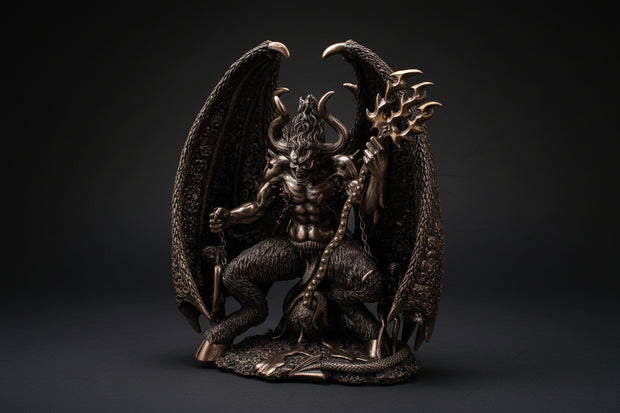
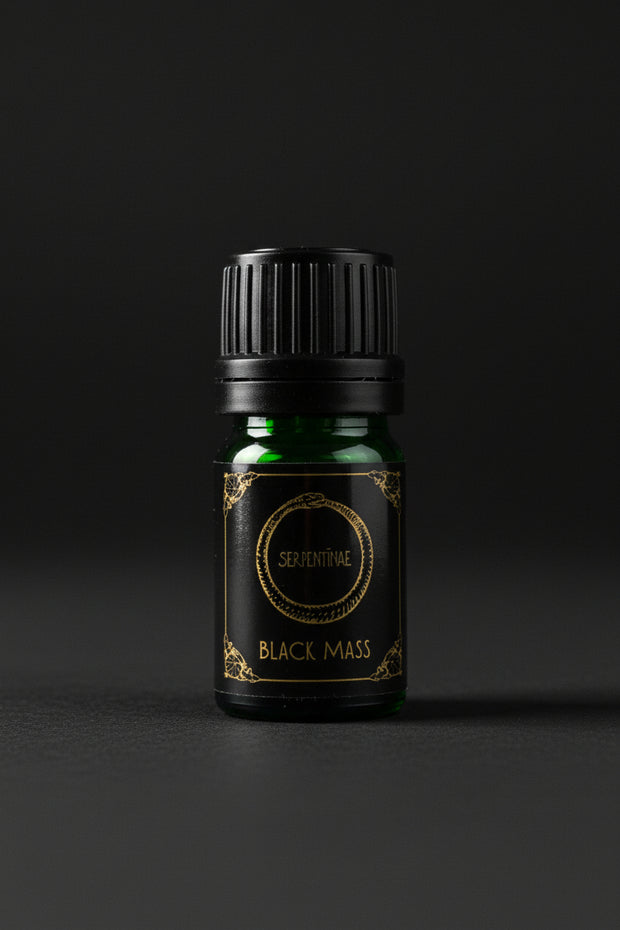
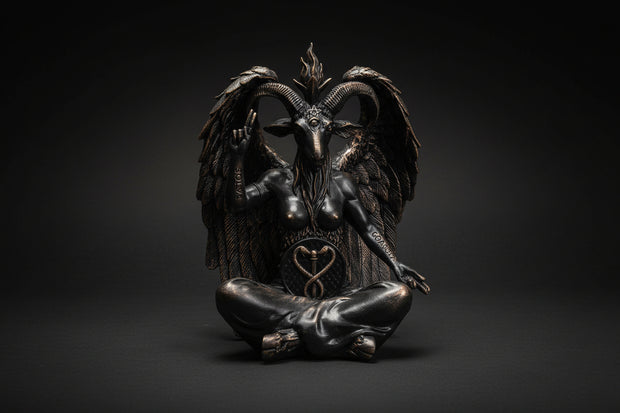
Explore the products selected for this guide. Review each listing for what is included and how to use it.
1 comment
Shop this guide · 4 items Collapse



Keep exploring the shop
You made it to the end of the guide. Keep exploring through related products, major departments, or the full catalog.


I really liked how you described the left hand path awesome knowledge. And to let someone know in this world other than myself I have officially reached god-head or god-hood in the left hand path of my journey and would like to thank you for reading this cheers and best wishes to you. All Hail each other!
Leave a comment