


Was It a Prophetic Dream? Nightmares, Memory, Stress, and Spiritual Discernment

A dream can feel prophetic because it is vivid, emotionally intense, symbolically precise, or similar to something that happens later. That experience may be personally meaningful, but intensity alone does not prove prediction. Careful dream discernment compares a written record with later events while accounting for memory, stress, probability, and selective recall.
Quick answer: write it down before interpreting it
The strongest first step is not searching a dream dictionary or asking several readers. Record the dream as soon as possible using concrete details:
- Date and approximate waking time
- People, places, objects, colors, numbers, and spoken words
- What happened in sequence
- How certain each remembered detail feels
- Recent events, media, conversations, fears, and plans
- Sleep quality, illness, medication changes, substances, and stress
- Your interpretation at the time—not after a later event
A dated record protects against unconsciously rewriting the dream to fit what happened afterward.
Dreams often draw from memory and current concerns
Dream content commonly incorporates recent experiences, older memories, emotional concerns, and anticipated situations. A person preparing for travel may dream about missing transportation. Someone worried about a relative may dream about illness or conflict. These dreams can reveal what occupies attention without forecasting a literal event.
Stress can also change dream tone and increase negative or threatening content. A frightening dream is not evidence that the feared event will occur.
Why a later event can feel exactly like the dream
Memory is reconstructive rather than a perfect recording. After an event, the mind may emphasize matching dream fragments and lose details that did not match. A vague scene such as “I was in a crowded unfamiliar room” can fit many later situations. Common events—an argument, delayed message, illness, storm, missed appointment, or broken object—also have many opportunities to resemble a dream.
This does not mean the experience is fake. It means the comparison should use the original record rather than confidence alone.
Compare exact details, not the general feeling
| Weak match | Stronger documented match |
|---|---|
| “I dreamed something bad happened.” | The written dream names a specific event, person, place, and unusual detail before the event. |
| “The room felt familiar.” | A dated sketch shows a distinctive layout later encountered. |
| “I knew someone would contact me.” | The record specifies who, how, and an unusual subject within a stated timeframe. |
| “A symbol appeared later.” | The symbol was uncommon, described precisely, and not recently encountered elsewhere. |
Even a strong match does not establish a mechanism by itself. It may remain an interesting anomaly rather than a command or certainty.
Keep a confirmation log, not only a success log
People remember remarkable matches and forget the many dreams that do not correspond to later events. To evaluate a pattern, record all dreams for a defined period and review them at scheduled intervals. Mark:
- Clear matches
- Partial or vague matches
- Non-matches
- Events that were already likely or anticipated
- Interpretations changed after the event
This is similar to responsible ritual recordkeeping: the method matters most when it records inconvenient evidence too.
Personal symbols are not universal codes
A snake, house, storm, death, water, or particular person does not have one fixed meaning for everyone. Personal associations, culture, recent experiences, and the dream’s context matter. Universal dream dictionaries can supply ideas, but they can also encourage a reader to fit broad claims to almost any situation.
Ask what the symbol meant to you before the dream, what emotions surrounded it, and where it appeared in the sequence.
Dreams involving deities, spirits, or the dead
A dream can be treated as devotional reflection without being accepted as unquestionable external communication. Compare the message with known sources, ethics, existing commitments, and waking reality. Be cautious when a dream demands money, secrecy, isolation, self-harm, illegal conduct, major vows, or immediate obedience.
Use the same grounded standards described in Is It a Sign, Synchronicity, or Coincidence?.
Nightmares are not warnings by default
Occasional nightmares are common. Stress, trauma, sleep disruption, fever, medications, substances, and other factors may influence them. Do not tell a frightened person that a nightmare predicts death, attack, possession, or disaster.
Helpful immediate responses include turning on a light, orienting to the room, drinking water, checking actual safety, writing the dream briefly, and returning to a calming routine. Avoid performing hours of escalating protection rituals every time a nightmare occurs.
When to seek professional support
Contact a qualified healthcare professional when nightmares are frequent, cause substantial distress, repeatedly interrupt sleep, create daytime impairment, follow trauma, or occur alongside other concerning symptoms. Spiritual practice can offer comfort, but it should not replace sleep, medical, or mental-health care.
For related distinctions, see Spiritual Awakening or Sleep Disruption?.
A grounded dream-review method
- Record the dream before discussing or researching it.
- Write a literal summary separate from symbolic ideas.
- List recent memory sources and current concerns.
- Rate each detail by confidence and specificity.
- Set a review date rather than checking constantly.
- Compare the original words with later events.
- Record non-matches and changed interpretations.
- Do not make high-stakes decisions from one dream.
Frequently asked questions
Can dreams predict the future?
People report striking correspondences, but one match does not establish reliable prediction. Use dated records, specific criteria, and attention to non-matches before drawing conclusions.
Why do I dream about something and then see it the next day?
The subject may have been recently encountered without strong conscious attention, may be common, or may feel more specific after the later event. Record-before-event comparison is essential.
Does a vivid dream matter more than a vague one?
Vividness can reflect emotion, sleep stage, stress, or memory. It makes a dream memorable but does not automatically make it prophetic.
Should I use tarot to verify every dream?
No. Repeated verification can increase anxiety and produce flexible answers that are easy to fit afterward. Journal first and use divination sparingly.
Do recurring nightmares mean a spirit is attacking me?
Not necessarily. Check sleep, stress, trauma, medications, substances, environment, and health. Seek professional support when nightmares persist or impair daily life.
Can I use a dream dictionary?
Use it as a source of possibilities, not authority. Personal and cultural associations should be considered before generic meanings.
Build a record you can actually evaluate
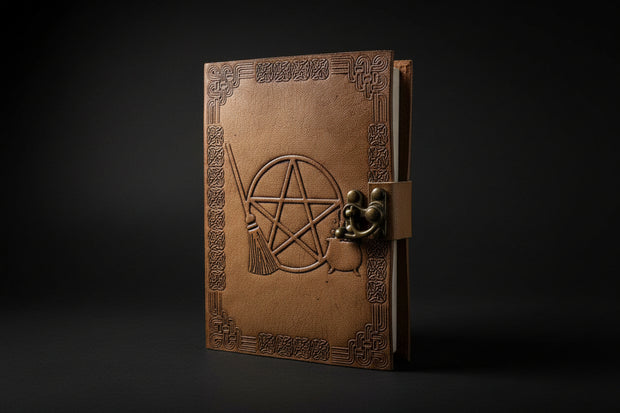
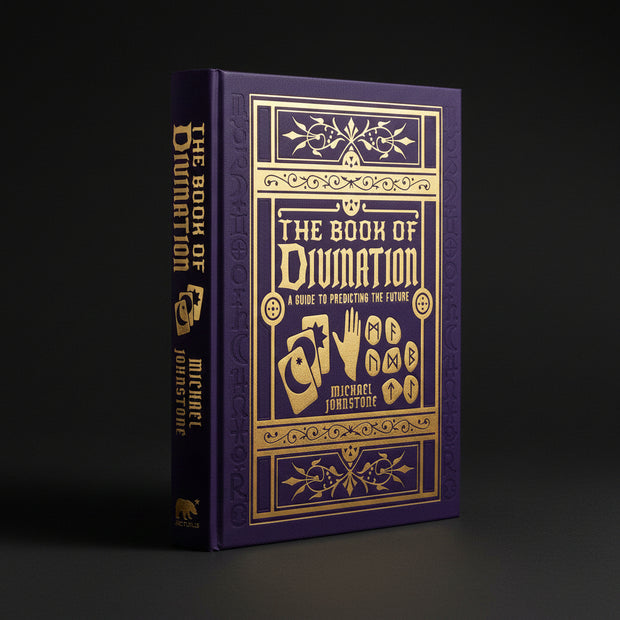
A dedicated journal can preserve dates, exact wording, sketches, matches, and non-matches. For broader study, browse printed works while keeping interpretation proportional to the evidence.
Tools for this practice
Explore the products selected for this guide. Review each listing for what is included and how to use it.

Shop this guide · 3 items Collapse


Keep exploring the shop
You made it to the end of the guide. Keep exploring through related products, major departments, or the full catalog.
 RELATED TO THIS GUIDE
Ritual Supplies & Altar Tools
Shop this topic
RELATED TO THIS GUIDE
Ritual Supplies & Altar Tools
Shop this topic


Leave a comment