


What to Do When a Ritual Is Interrupted: Pausing, Closing, Restarting, and Staying Grounded
Rituals happen in real homes and real bodies. Phones ring. Pets enter the room. Candles become unsafe. Children wake up. A needed tool is missing. Pain, fatigue, anxiety, or an emergency changes what you can do.
An interruption does not automatically mean the ritual failed, offended a deity, invited danger, or must be repeated from the beginning. Respond to the actual situation first.
Safety Comes Before Symbolic Continuity
If there is smoke, spilled oil, broken glass, a medical need, an animal near flame, or another urgent problem, stop immediately. Extinguish candles, move sharp or hot tools, secure incense and charcoal, and help the person or animal involved.
You do not need to complete a closing prayer before responding to an emergency. Safety is the closure.
Decide Which Kind of Interruption Occurred
- Brief and contained: A noise, short conversation, pet movement, or forgotten item.
- Long but non-urgent: A visitor, work call, child-care need, or loss of privacy.
- Physical limitation: Pain, dizziness, fatigue, sensory overload, or emotional distress.
- Safety emergency: Fire risk, injury, illness, broken material, or dangerous weather.
- Loss of focus: You no longer remember the sequence or feel able to continue.
Option One: Pause and Resume
For a brief interruption, place tools safely, mark your place, take one grounding breath, and resume. You can say: “This work is paused, not abandoned.” No elaborate repair is necessary.
If your tradition uses a formal circle or temple space, maintain it only when doing so is safe and practical. Otherwise, close and reopen later according to that tradition.
Option Two: Close Early
When privacy, energy, or time is gone, use a shortened closing. Thank any invited powers, state that the working is ended for now, extinguish flames, dispose of perishable offerings safely, and ground yourself.
A simple non-tradition-specific closing can be:
“I end this working with respect. What has been offered is acknowledged. What remains unfinished will be returned to only by my choice. This space is now ordinary.”
Use tradition-specific language when your path requires it. Our guide to casting and closing a Wiccan circle explains a more formal framework.
Option Three: Restart Later
Restart when the sequence itself is essential, a formal rite requires uninterrupted performance, materials were contaminated or damaged, or you simply prefer a fresh beginning. Restarting is a practical decision—not proof that the interruption carried a supernatural warning.
Before beginning again, identify what caused the problem and change the setup. Gather materials, silence notifications, choose a shorter form, protect the floor, arrange child or pet care, or move flame-based work to a safer time.
Option Four: Adapt the Ritual
You can shorten spoken sections, sit instead of stand, replace smoke with sound or water, use an electric candle, move offerings to a later time, or complete only the central action and close. A well-designed ritual has a clear purpose; every decorative step is not equally essential.
For accessible alternatives, see Low-Energy Witchcraft. Our broader guide to crafting Pagan rituals can help you identify opening, central action, and closing so adaptation is easier.
Does an Interruption Mean Something?
Sometimes it means the cat noticed movement, the smoke alarm works, you overestimated your energy, or your environment was not private. Begin with ordinary explanations.
You may still reflect symbolically, but do not let fear turn every inconvenience into an omen. One interruption does not prove rejection, spiritual attack, contamination, or failure.
Record What Happened
A short ritual record helps improve future practice:
- Date, time, location, and purpose
- Where the interruption occurred
- Immediate practical cause
- How you paused or closed
- Any damaged or unsafe materials
- What you will change next time
- Whether you chose to resume, adapt, or leave the work complete
Record observations without rewriting them into certainty. “The candle went out when the door opened” is more useful than “A spirit rejected me.”
When Repeating Becomes an Anxiety Loop
Restarting once because you want a clean sequence is different from feeling compelled to repeat a ritual until it feels perfectly safe. Reassurance, checking, and repetition can temporarily reduce anxiety while making the cycle stronger.
If fear of spiritual consequences repeatedly disrupts sleep, finances, relationships, work, or daily functioning, pause the practice and speak with a qualified mental-health professional. Grounded support does not invalidate religious belief.
Frequently Asked Questions
Do I need to recast a circle after leaving the room?
It depends on your tradition and the length of the interruption. For ordinary personal practice, you can often close and recast later without fear.
What should I do with an unfinished offering?
Store it safely if appropriate, dispose of perishables, or offer a fresh portion later. Do not leave food, flame, liquid, or toxic material unattended.
Does forgetting words invalidate a ritual?
Usually not. Pause, paraphrase, consult your notes, or move to the next essential step. Formal initiatory rites may have specific rules.
Should I keep emergency supplies near my altar?
Yes. A snuffer, heatproof surface, water where appropriate, first-aid supplies, and clear exits are more useful than trying to preserve perfect atmosphere. Browse the altar supplies collection for practical setup options.
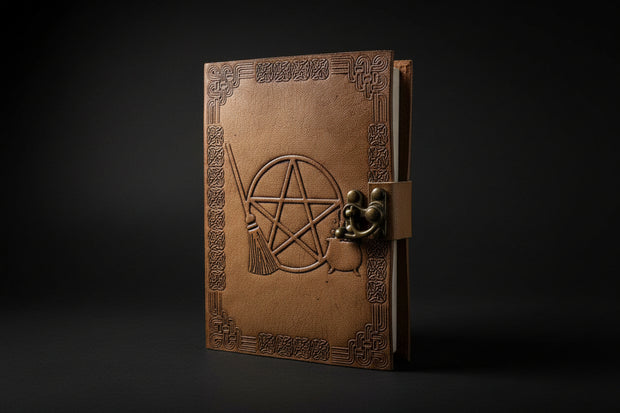
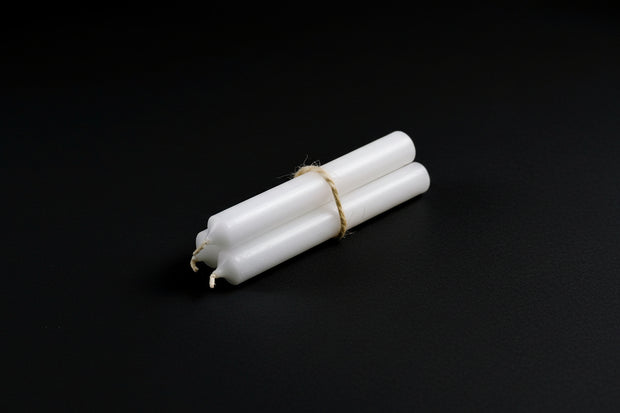
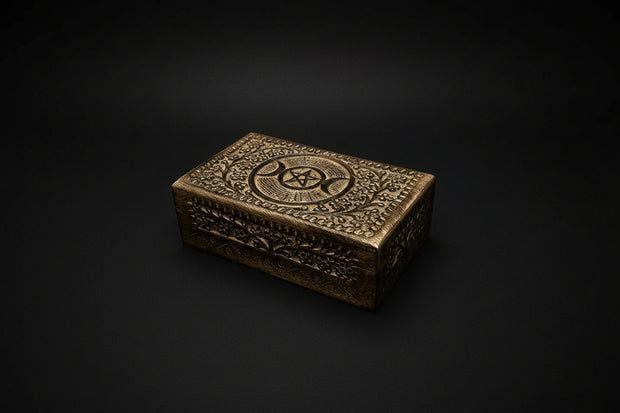
Tools for this practice
Explore the products selected for this guide. Review each listing for what is included and how to use it.

Shop this guideHide product


Leave a comment