


Why “Natural” Does Not Automatically Mean Ethical: Safety and Sourcing in Spiritual Supplies

“Natural” describes origin, not safety, sustainability, labor conditions, or spiritual appropriateness. Poison ivy is natural. Overharvested plants are natural. A mined stone may be geologically natural while its supply chain remains difficult to trace.
That does not mean customers should avoid every botanical, wood, resin, shell, or stone. It means “natural” cannot do the work of an ethical claim. Buyers need more specific information, and retailers should be honest about what they know and what they do not.
Natural Does Not Mean Safe
Plant material can irritate skin, trigger allergies, interact with medication, harm animals, or become dangerous when burned or ingested. Smoke from a natural incense is still smoke. Essential oils are concentrated materials, not automatically gentle alternatives.
Before using a botanical, identify:
- the common and botanical name, when available;
- the plant part—root, bark, leaf, flower, seed, or resin;
- the intended route of use—altar, sachet, smoke, bath, oil, or ingestion;
- known concerns involving pregnancy, medication, allergies, children, or pets;
- whether the product is sold for ritual use rather than food or internal use.
Our guide to using herbs in witchcraft safely separates common ritual methods and their different exposure risks.
Natural Does Not Explain How Something Was Obtained
A material can be natural and still involve habitat destruction, overharvesting, unsafe labor, wildlife harm, or extraction that a buyer would not knowingly support. The broad category tells you almost nothing about the chain between origin and shelf.
Useful sourcing questions are material-specific:
- Is the species identified accurately?
- Is it cultivated, farmed, collected, mined, salvaged, or manufactured?
- What country or region did it come from?
- Is harvest of the root, bark, wood, or whole plant destructive?
- Are there conservation, trade, or legal restrictions?
- Does the seller or supplier have documentation for a strong ethical claim?
Not every question will have a complete answer. The important distinction is between an unknown supply-chain detail and a confident promise that has not been documented.
“Traditional” Is Not a Substitute for Context
A plant may have a documented role in one community while being marketed very differently elsewhere. A common modern correspondence may be useful to a practitioner without representing the plant's only meaning or an unbroken ancient use.
Ethical description includes context: who uses the material, whether that use belongs to a living tradition, and whether a commercial label has flattened different practices into a generic claim. Respectful alternatives should be based on function and context—not on the assumption that every fragrant plant is interchangeable.
A Practical Buyer’s Checklist
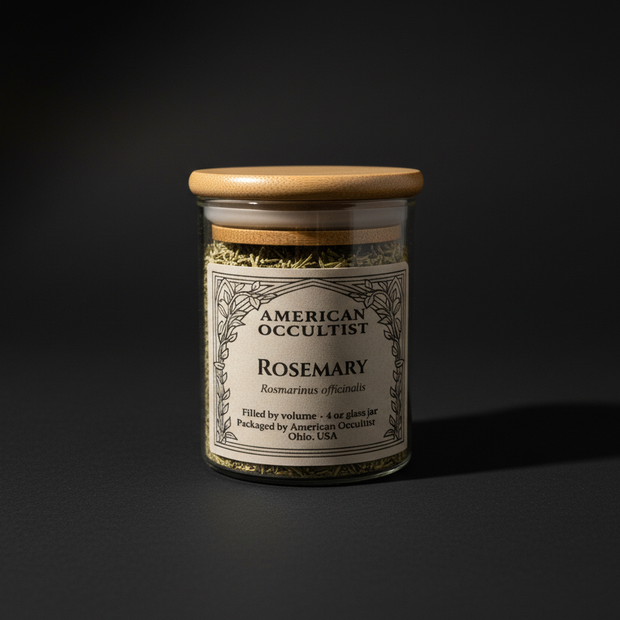
- Confirm identity. Look for a botanical name and plant part when confusion would affect safety or use. See how to read a ritual herb label.
- Match the method. A material appropriate for an altar is not automatically safe for smoke, skin, bathing, or ingestion.
- Ask for a specific claim. “Responsibly sourced” should mean more than an attractive phrase.
- Consider the amount. Buy what you can store and use before quality declines.
- Check local rules and household risks. Pets, children, leases, ventilation, fire restrictions, and allergies may change the right choice.
- Accept uncertainty. If traceability is limited, decide with that limitation visible rather than converting it into certainty.
What Responsible Retail Language Should Sound Like
A useful description says what the material is, how it is commonly used, what important limits apply, and which claims are traditional or modern. It avoids implying that “wild,” “exotic,” “sacred,” or “natural” automatically means pure or ethical.
Retailers should correct identification errors, avoid unsupported sourcing promises, and make safety information easy to find. Customers should not have to choose between spiritual meaning and material facts.
Shop by Identified Need, Not by a Virtue Word
If you have identified a specific botanical and a safe ritual method, our Ritual Herbs collection groups the available options. Use the label, product details, and safety guidance to decide whether a material fits your intended practice. “Natural” should begin the questions, not end them.
Tools for this practice
Explore the products selected for this guide. Review each listing for what is included and how to use it.


Shop this guide · 4 items Collapse



Keep exploring the shop
You made it to the end of the guide. Keep exploring through related products, major departments, or the full catalog.
 RELATED TO THIS GUIDE
Crystals & Stones
Shop this topic
RELATED TO THIS GUIDE
Crystals & Stones
Shop this topic


Leave a comment