


How to Read a Ritual Herb Label: Botanical Names, Plant Parts & Safety

Part 2 of the Ritual Botanical Field Guide.
A trustworthy ritual-herb label should help you identify what is in the jar, not merely suggest a mood. Common name, botanical name, plant part, physical form, supplier information, and intended use answer different questions. When one of those details is missing, do not fill the gap with an assumption.
Common Name vs. Botanical Name
Common names are readable but inconsistent. One name may refer to several species, and one species may have many regional names. A botanical name uses a two-part system: genus followed by species. For example, Chickweed — Stellaria media identifies the plant more precisely than “chickweed” alone.
The first word is the genus and is capitalized; the second is the species and is lowercase. In formal writing both are italicized. Botanical names can change when taxonomists reclassify a plant, so reputable references may also list synonyms.
Why Exact Species Matters
Species affects identification, history, safety research, and whether two sources are discussing the same plant. “Jasmine” can refer to several plants and to flavored tea that may contain little or no visible jasmine flower. A jar labeled Jasmine Flower — Jasminum odoratissimum provides a more useful starting point.
Plant Part Must Be Named
Look for words such as root, root bark, outer bark, leaf, aerial parts, flower, petals, seed, berry, peel, or wood. Ginger Root — Zingiber officinale identifies both the species and the part. A label that says only “ginger” is less precise.
Plant-part accuracy matters even when the material is never consumed. Root and leaf may carry different folklore, textures, harvesting implications, and ritual roles. Our plant-parts guide explains those differences.
Whole, Cut, Crushed, Ground, and Powdered
- Whole: the material retains much of its original shape.
- Cut: it has been divided into smaller pieces.
- Cut and sifted: it has been mechanically cut and screened to create a more consistent size.
- Crushed: pieces are broken but not necessarily uniform.
- Ground or powdered: the material has a much smaller particle size and becomes easier to inhale or spread.
These words describe form, not food grade or burnability. Bay Leaves — Cut & Crushed is still a ritual product unless its own label establishes another approved use.
What “Ritual Use Only” Means
“Ritual use only” generally means the seller is offering the material for symbolic, decorative, or external spiritual practice—not as food, tea, medicine, a supplement, or a cosmetic. It does not automatically grant permission to burn, inhale, bathe with, apply to skin, or scatter outdoors.
Use only the methods the exact product permits. A ritual jar may differ from a culinary product in sourcing, processing, storage, testing, handling, or labeling. Familiarity with the plant does not convert the jar into food.
Organic, Wildcrafted, Natural, and Food Grade
These terms are not interchangeable:
- Organic refers to a certification or production claim, not universal safety.
- Wildcrafted refers to gathering from uncultivated populations and raises identification and sustainability questions.
- Natural is broad marketing language and does not establish purity or suitability.
- Food grade relates to intended food use and applicable handling standards; it does not mean safe to burn.
A plant can be organically grown and still be inappropriate for ingestion, smoke, pregnancy, pets, or a particular individual.
What Else Should the Label or Product Page Tell You?
- Seller or manufacturer
- Net quantity
- Country or source information when available
- Ingredient list for blends
- Warnings and permitted uses
- Lot, batch, packed-on, or best-by information when applicable
- Storage directions
Not every small ritual jar will carry every field, but the absence of information should narrow how you use it. Unknown material belongs in a closed, labeled container—not in a flame, bath, drink, diffuser, or pet-accessible area.
Reading a Product Name Carefully
Consider Birch Bark — Betula pubescens. “Birch” identifies a common group name, the botanical name narrows the species, and “bark” identifies the part. Compare that with Vervain — Verbena officinalis, where the title does not specify leaf or root. In that case, inspect the product description or ask the seller which aerial parts are present.
What a Label Cannot Prove
A label cannot prove a magical outcome. Botanical identity does not scientifically validate a correspondence, and words such as “powerful,” “sacred,” “healing,” or “protective” may describe traditional symbolism or marketing rather than measurable effects.
Read product claims as spiritual context. Do not use them to diagnose illness, promise results, accuse someone of harmful magic, or replace qualified medical, legal, or financial advice.
Create a Record Before Removing the Original Packaging
Keep the original label whenever possible. If you transfer the material, copy the common name, botanical name, plant part, seller, date, warnings, and product handle. Photograph the original package. A beautiful unlabeled apothecary jar becomes a safety problem as soon as memory fails.
Our Materia Magica guide provides a structured record format, and How to Store Witchcraft Supplies covers physical organization.
Frequently Asked Questions
Why are botanical names written in Latin?
The internationally standardized naming system allows people in different regions and languages to identify the same genus and species more reliably than common names alone.
Does a botanical name guarantee authenticity?
No. It improves specificity, but correct sourcing and identification still depend on the supplier and quality controls.
What does cut and sifted mean?
The plant material has been cut into smaller pieces and screened for a more consistent particle size. It does not mean powdered, sterile, edible, or burnable.
Can a “ritual use only” herb be made into tea?
Do not use it as tea. Purchase a correctly identified product manufactured and labeled for food use instead, and consider individual health guidance.
Does “natural” mean pet-safe?
No. Keep ritual botanicals inaccessible to animals and seek veterinary guidance for species-specific exposure concerns.
What should I do with an herb whose label is missing?
Do not guess. Keep it sealed and separate, or dispose of it according to local guidance if it cannot be identified reliably.
Next in the series: Ritual Roots Compared.
Tools for this practice
Explore the products selected for this guide. Review each listing for what is included and how to use it.
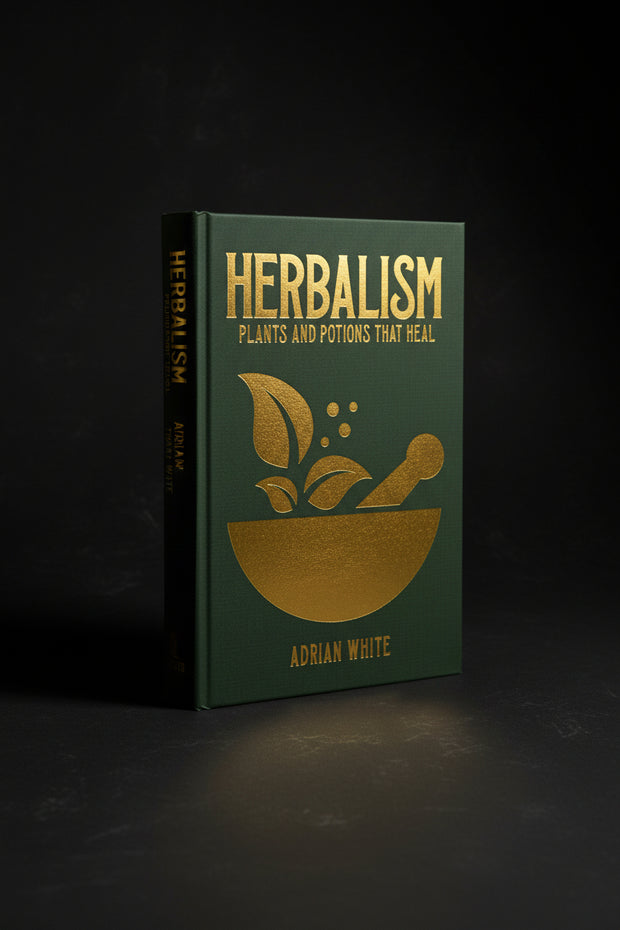
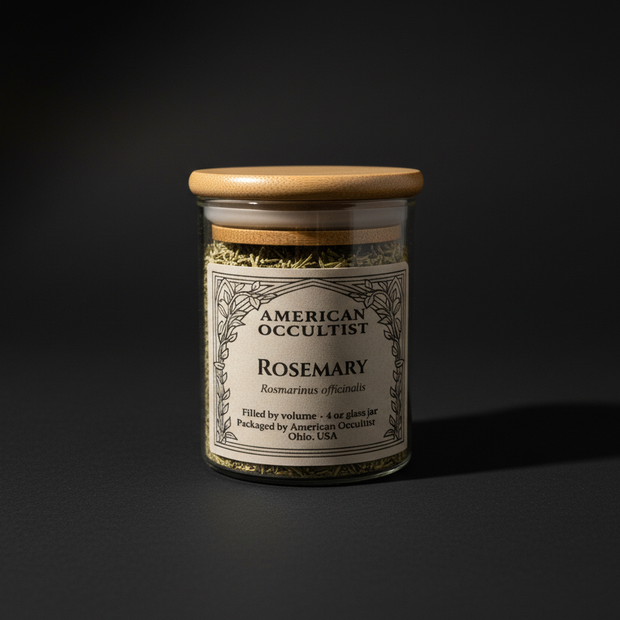
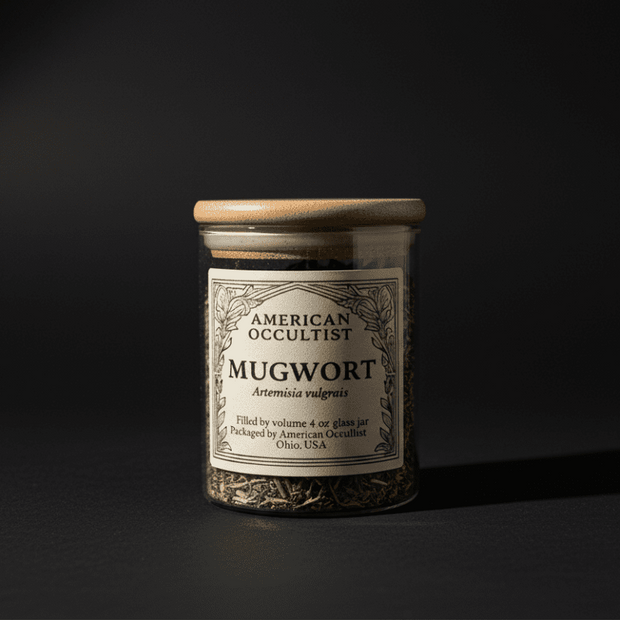

Shop this guide · 4 items Collapse


Keep exploring the shop
You made it to the end of the guide. Keep exploring through related products, major departments, or the full catalog.


Leave a comment