


How to Use Herbs in Witchcraft Safely: Sachets, Altars, Smoke, Baths, and Oils

Herbs can bring scent, texture, color, history, and symbolism into witchcraft, but “natural” does not automatically mean harmless. A familiar culinary plant may be safe in an ordinary recipe yet irritating when burned. A beautiful flower may be unsuitable for skin contact. A ritual oil may be concentrated enough to harm a child or animal. Even a harmless-looking jar can become a problem when its contents are unlabeled.
Safe herbal witchcraft begins by separating spiritual meaning from physical risk. Correspondences describe cultural, historical, religious, or personal associations; they do not prove that a plant is safe to eat, inhale, apply to the body, or use around animals. The goal is not to remove mystery from the practice. It is to create a practice that can be sustained without unnecessary exposure, fire hazards, or confusion.
The Foundation of Safer Herbal Witchcraft
Before using any herb, resin, flower, root, bark, powder, or oil, answer five questions:
- Can I identify the exact material? A common name is useful, but a verified botanical name is better when one is available. Different species may share the same common name.
- Do I know what form it is in? A dried leaf, essential oil, infused oil, resin, powdered root, and fragrance oil are not interchangeable.
- Is the intended method appropriate? A plant that is acceptable in ordinary cooking may still be unsuitable for burning, bathing, or skin contact.
- Who shares this environment? Children, pets, pregnant people, people with allergies, and people with respiratory conditions may require stricter boundaries.
- Can I choose a contained, smoke-free, or non-contact method? Sealed jars, drawings, written names, photographs, and closed sachets often provide the symbolism without the exposure.
When any answer is uncertain, pause the physical use. Research the material, record the uncertainty, or represent it symbolically instead. A drawing of mugwort can hold the same ritual association in your personal work without requiring you to burn, ingest, or touch the plant.
Ritual Herbs Are Not Automatically Food Grade
Herbs sold for altar work, incense, crafts, or ritual use should not be assumed suitable for tea or cooking. They may have been handled, stored, treated, or packaged under standards intended for decorative rather than culinary use. Likewise, florist flowers may carry pesticides or preservatives and should not be eaten or added to bathwater.
Keep ritual botanicals separate from cooking ingredients, medications, supplements, and tea. A clearly marked ritual jar should never migrate into the kitchen simply because its contents resemble a familiar spice.
For a beginner overview of common symbolic associations, read Herbal Magic 101: 10 Herbs and Their Symbolic Uses. Use correspondence lists as study tools, not as instructions for ingestion or medical treatment.
How to Use Herbs More Safely by Method
Closed Sachets and Charm Bags
A closed sachet is one of the most practical ways to work with dried herbs. It contains loose material, reduces dust, and can be placed on an altar, stored in a drawer, or carried in a separate pouch.
- Use a tightly woven bag that does not shed powder or small fragments.
- Label the sachet or attach a card listing every ingredient.
- Do not place loose or strongly aromatic herbs directly against skin.
- Do not put sachets under pillows where contents may leak near the eyes, nose, or mouth.
- Keep them away from children and animals that may chew or tear the fabric.
- Discard the sachet if it becomes damp, moldy, infested, or impossible to identify.
A paper packet stored inside a closed box can serve the same ritual purpose when fabric is not practical.
Herbs on an Altar
Loose herbs on an altar may look attractive, but they spread easily, attract moisture or pests, stain cloth, and move toward flames. Use small sealed jars, lidded bowls, framed botanical illustrations, or clearly labeled containers instead.
Keep all plant material away from candle flames, hot wax, charcoal, heaters, and electrical equipment. Do not roll candles in dried herbs or sprinkle powders around a burning wick. Plant fragments can ignite unpredictably, interfere with the wick, or create additional smoke.
When planning the rest of the altar, How to Store Witchcraft Supplies offers a broader system for separating herbs, crystals, oils, tools, and combustible materials.
Smoke, Incense, and Burning Herbs
Burning is not required for cleansing, offering, protection, or spirit work. Combustion creates smoke and airborne particles, and unidentified botanicals may release irritating or harmful compounds. Smoke can also affect neighbors, children, pets, and people with asthma, migraines, allergies, or other sensitivities.
The lowest-risk choice is usually not to burn the herb. Alternatives include:
- Place the herb in a sealed jar and move the jar through the ritual space.
- Use a botanical image, written name, or colored ribbon as the correspondence.
- Open a window, clean the room, ring a bell, clap, sing, or use spoken prayer.
- Use an LED candle to represent fire without flame or smoke.
- Create a bowl of ordinary water as a symbol of cleansing, then dispose of it normally.
When smoke is part of an established practice, research the exact material and use only a small amount in an appropriate fireproof vessel. Maintain ventilation, keep extinguishing materials nearby, supervise the burn continuously, and stop immediately if anyone experiences irritation. Never burn unknown plants, treated wood, florist material, powders, or oily botanicals.
Herbal Baths
Water does not make an herb safe. Bath use creates prolonged skin contact and may expose sensitive areas, broken skin, or the eyes. Loose herbs can also clog plumbing, stain surfaces, or create slipping hazards.
Do not add a plant to bathwater merely because a spell book associates it with love, cleansing, prosperity, or protection. Avoid unknown botanicals, essential oils, florist flowers, and ritual-only products. People with allergies, skin conditions, pregnancy concerns, or medication questions should consult a qualified clinician before topical use.
A symbolic bath ritual does not require botanicals. Place a sealed herb jar outside the tub, choose a safe color of cloth, speak an intention before ordinary bathing, or write the plant’s name on a card that remains dry. The ritual meaning can stay present without making the bath an experiment.
Essential Oils and Fragrance Oils
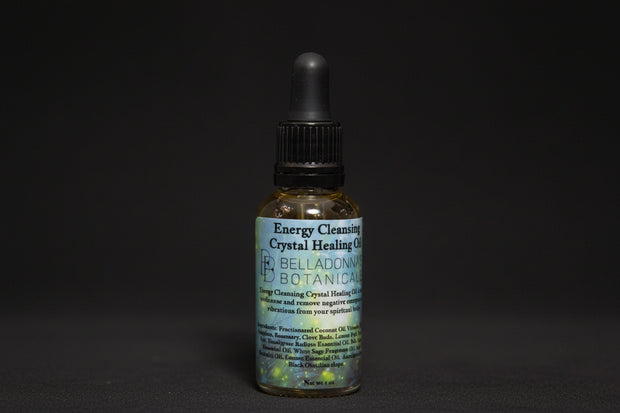
Essential oils are concentrated plant extracts. Fragrance oils may contain synthetic and natural aromatic materials. Neither should be treated like a dried herb, and neither is automatically safe because it smells familiar.
- Do not ingest oils based on magical or internet advice.
- Do not apply undiluted essential oils to skin.
- Do not add oils directly to bathwater, where they can remain concentrated on the surface.
- Keep bottles away from flame, heat, children, and animals.
- Do not assume a diffuser is appropriate in a home with pets, birds, infants, or respiratory sensitivities.
- Consult a qualified clinician for human health questions and a veterinarian for animal exposure.
For purely symbolic oil work, keep the closed bottle on the altar, place a drop of ordinary carrier oil with no fragrance in a separate ritual dish, or use the written name of the intended plant. A spiritual correspondence does not require skin exposure.
Infused Ritual Oils
An infused oil is made by placing plant material in a carrier oil. It is less concentrated than an essential oil but still requires correct identification, clean preparation, appropriate storage, and research into skin safety. Moist plant material can introduce spoilage concerns, and homemade preparations do not become safe simply because they were made with care.
Keep ritual infused oils separate from food. Label the ingredients, carrier oil, preparation date, intended use, and any restrictions. Do not place oily preparations near candles or charcoal. Discard anything that smells rancid, develops moisture, changes unexpectedly, or loses its label.
Food, Tea, and Kitchen Use
Use herbs as food only when they are familiar culinary ingredients from a food-grade source and prepared according to an ordinary reliable recipe. Do not make tea, tinctures, capsules, smoking blends, or concentrated extracts from a magical correspondence list.
Plants can interact with medications, trigger allergies, and affect pregnancy or health conditions. “Traditionally used for” is not the same as medically proven, appropriate for a particular person, or safe at an unknown dose.
Powders, Dust, and Ground Herbs
Powdered botanicals spread easily and can enter the eyes, nose, lungs, carpets, ventilation systems, and animal fur. Avoid blowing powders, scattering them outdoors, or drawing floor symbols with loose material.
Use a closed container, a paper representation, colored sand reserved for crafts, or a drawn symbol instead. When grinding any material, work slowly, avoid creating airborne dust, and use equipment that will not later return to food preparation.
Offerings and Outdoor Disposal
Do not assume that leaving herbs outdoors is harmless. Non-native plants, concentrated spices, salt, oils, wax, and mixed ritual remains may affect wildlife, soil, waterways, or public spaces. Local rules and land ownership also matter.
For outdoor offerings, choose a non-material action such as prayer, song, cleanup, watering an appropriate plant, or removing litter. Dispose of most ritual herbs in household trash unless you know that a small amount is safe, legal, uncontaminated, and ecologically appropriate for the specific location.
Wildcrafting and Plant Identification
Do not identify a wild plant solely from a photograph, app, social-media post, or magical book. Similar-looking species can differ greatly in toxicity. Roadsides, sprayed lawns, industrial areas, and contaminated soil can also make an otherwise familiar plant unsuitable for handling or use.
Harvest only where you have permission, follow local conservation laws, avoid protected or scarce species, and take no more than the ecosystem can support. Purchasing a clearly labeled specimen or using a photograph may be the more ethical choice.
Children, Pets, Allergies, Pregnancy, and Shared Homes
A private ritual still occurs in a shared physical environment. Plan around the most vulnerable person or animal who may enter the space.
Children
Store herbs and oils as deliberately as household chemicals or medications. Use closed containers, high or locked storage, and labels that remain attached. Never rely on a child understanding that a beautiful jar, candy-like resin, or fragrant oil is “ritual only.”
Pets
Animals may lick spilled oils, chew sachets, walk through powders, groom material from their fur, or remain in a room when they cannot escape a strong scent. Birds and animals with respiratory conditions can be especially sensitive to airborne products.
Do not apply ritual herbs or oils to an animal or add them to bedding, collars, food, water, or fur without veterinary direction. Keep pets out of the work area, clean spills promptly, and provide access to unscented air.
Allergies and Respiratory Sensitivities
A plant can be meaningful and still trigger a reaction. Avoid smoke, airborne powders, and strong scent in shared spaces when anyone has asthma, migraines, allergies, or fragrance sensitivity. Use non-contact methods such as artwork, sealed jars, written correspondences, or digital images.
Pregnancy, Breastfeeding, Medications, and Health Conditions
Do not rely on magical references for internal or topical safety. Ask a qualified clinician or pharmacist about exact ingredients, preparation methods, and personal health circumstances. When information is incomplete, use symbolic methods that do not involve ingestion, skin contact, or inhalation.
Labeling and Storage That Prevent Mistakes
Good storage is part of ritual discipline. Every container should include:
- Common name
- Botanical name when verified
- Plant part or material type
- Supplier or source
- Date obtained
- Intended use, such as “ritual only—do not ingest”
- Known restrictions or hazards
Store botanicals dry, sealed, and away from direct sunlight, heat, moisture, food, medicine, children, and pets. Do not keep mystery jars. If the label is missing and the identity cannot be confirmed, discard the material rather than guessing.
A personal reference makes these decisions easier over time. How to Build a Materia Magica explains how to record botanical facts, traditional correspondences, sources, safety notes, and personal observations without confusing one category for another. Practitioners who keep a broader magical record may also benefit from Book of Shadows vs. Grimoire.
Safest Beginner Methods
Beginners do not need to begin with smoke, oils, teas, or elaborate preparations. Start with methods that are reversible, contained, and easy to document:
- A sealed and labeled herb jar on an altar
- A botanical drawing or printed image
- A closed sachet stored away from skin, children, and pets
- A written correspondence placed beneath a candle holder, with no plant material near the flame
- A journal entry comparing historical, modern, and personal associations
- An ordinary culinary recipe using a familiar food-grade herb for its normal food purpose
Methods that require more research include burning, skin application, baths, essential oils, homemade infused oils, wild harvesting, internal use, and any practice involving animals or vulnerable people.
What to Do After Accidental Exposure
Stop the ritual and address the physical situation first. Spiritual meaning can wait.
- Move away from smoke or strong scent and seek fresh air.
- Prevent additional contact and keep the container or label available.
- For skin or eye exposure, follow product directions and obtain professional guidance rather than experimenting with another oil or herb.
- Do not induce vomiting after ingestion unless a medical or poison-control professional instructs you to do so.
- Contact Poison Control or an appropriate medical professional for human exposure, and contact a veterinarian or animal poison service for pet exposure.
- Call emergency services for severe symptoms such as difficulty breathing, collapse, seizures, or loss of consciousness.
Afterward, document what happened, discard unsafe or uncertain materials, improve labeling or storage, and revise the ritual method. An incident is a reason to change the system, not to hide the mistake.
A Simple Herbal Safety Check Before Ritual
- Read every label and confirm each ingredient.
- Separate physical facts from spiritual correspondences.
- Choose the least-exposure method that still supports the ritual.
- Remove flame, smoke, loose powder, or skin contact unless specifically researched.
- Check for children, pets, allergies, ventilation needs, and shared-space concerns.
- Prepare cleanup, storage, and disposal before beginning.
- Record the method and any reaction afterward.
Frequently Asked Questions
Do herbs have to be burned to work in witchcraft?
No. Sealed jars, closed sachets, drawings, written names, altar placement, prayer, and meditation can carry the intended symbolism without smoke.
Can I drink a ritual herb as tea?
Do not make tea from a ritual herb or correspondence list. Use only correctly identified food-grade ingredients with reliable culinary guidance and appropriate medical advice when health conditions, pregnancy, allergies, or medications are involved.
Are essential oils safer than burning herbs?
They involve different risks rather than no risk. Essential oils are concentrated and may cause harm through ingestion, skin contact, spills, or exposure around children and animals. A sealed bottle or written correspondence is often enough for ritual symbolism.
Can I put herbs directly on a candle?
No. Keep dried herbs, powders, oils, and flowers away from the wick, wax pool, and flame. Use a labeled jar or separate dish at a safe distance instead.
What should I do with an unlabeled herb?
Do not guess. If its identity and history cannot be confirmed, discard it safely and replace it with a properly labeled material.
What is the safest first herb for a beginner?
The safest starting point is not a specific plant but a method: choose a familiar, clearly labeled material and use it in a sealed container, artwork, or study exercise without burning, ingesting, or applying it to the body.
Build a Practice That Can Last
Herbal witchcraft becomes stronger when care is treated as part of the ritual rather than an obstacle to it. Labeling honors the material. Research respects the plant and the tradition. Containment protects the people and animals who share the space. Choosing not to burn, ingest, or apply something uncertain is not a lack of commitment; it is informed practice.
Begin with clearly identified materials, contained methods, and careful records. Let experience expand only after the physical risks are understood. A thoughtful practice does not need to be dangerous to feel meaningful.
Tools for this practice
Explore the products selected for this guide. Review each listing for what is included and how to use it.

Shop this guide · 2 items Collapse
Keep exploring the shop
You made it to the end of the guide. Keep exploring through related products, major departments, or the full catalog.
 RELATED TO THIS GUIDE
Ritual Supplies & Altar Tools
Shop this topic
RELATED TO THIS GUIDE
Ritual Supplies & Altar Tools
Shop this topic


Leave a comment