


Why Spell Jars Grow Mold: Fresh Herbs, Water, Moisture, and Safe Disposal

Mold in a spell jar is usually a moisture, ingredient, and storage problem. It is not reliable evidence that a working failed, absorbed negativity, or became more powerful. Fresh plant material, water, condensation, food, and sealed containers can create the conditions mold needs to grow.
Quick answer: moisture changes the jar
A dry jar made with fully dried materials behaves differently from a jar containing fresh flowers, fruit, water, tea, honey, syrup, or damp soil. Once organic material and moisture are sealed together, the jar becomes a small biological environment rather than a permanent decorative object.
| Ingredient | Relative spoilage concern | Why |
|---|---|---|
| Fresh leaves or flowers | High | They contain water even when the surface looks dry |
| Fruit, peel, or food | High | Moisture and sugars support microbial growth |
| Water, tea, or infusion | High | Creates a wet environment and may ferment or pressurize |
| Honey or syrup | Moderate to high when mixed | Dilution and added plant material can change stability |
| Carrier oil | Different risk | May become rancid and can trap damp plant material |
| Fully dried herbs | Lower, not zero | Humidity, dirty containers, or incomplete drying can still introduce moisture |
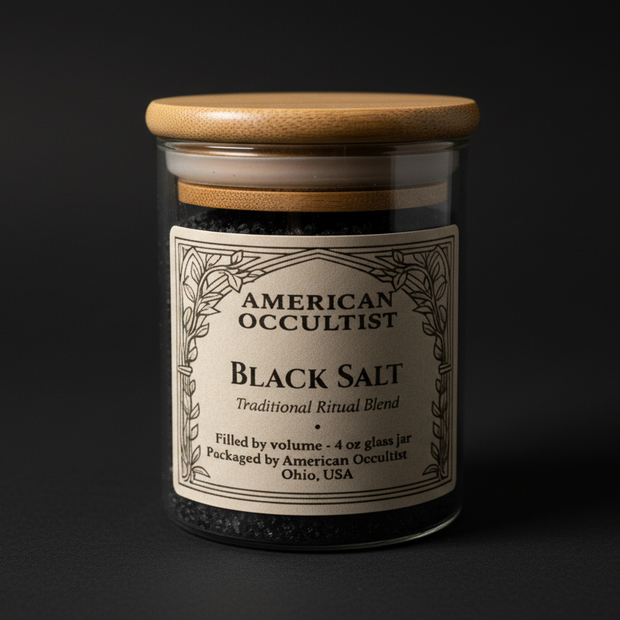
| Salt | Not a sterilizer | A symbolic ingredient does not guarantee preservation |
Fresh herbs are not the same as dried herbs
A leaf can feel dry on the outside while retaining substantial internal moisture. Flowers, stems, roots, berries, and citrus peel are especially likely to release water after a jar is sealed. That moisture may appear as condensation on the glass before visible mold develops.
If a working is intended to remain sealed for weeks or months, use ingredients that are completely dried and stored correctly. Read How to Store Ritual Herbs for guidance on labels, light, moisture, shelf life, and inspection.
Water-based spell jars are temporary by nature
Water, moon water, rainwater, tea, floor wash, and herbal infusions do not become shelf-stable because they are used ritually. If a recipe combines water with plant material and then instructs the practitioner to keep it indefinitely, the preservation problem remains.
For symbolic work, consider keeping the liquid separate, using a small amount only during the ritual, or designing the working with a planned closing and disposal date. A jar does not need to remain forever to be meaningful.
Why condensation appears
Condensation indicates that water is moving inside the sealed container. Temperature changes can cause moisture to evaporate and collect on cooler glass. A jar stored in sunlight, near a heater, in a humid bathroom, or against a cold window may experience repeated temperature swings.
Condensation is an early reason to inspect the jar. It should not be interpreted automatically as “energy building.” If the jar contains wet organic material, plan for safe disposal rather than waiting for pressure, leakage, or heavy growth.
Honey, sugar, and syrup do not guarantee preservation
Concentrated honey has properties that differ from a diluted ritual mixture. Once water, fruit, flowers, herbs, saliva, or other ingredients are added, the finished jar should not be assumed stable. Sugars can also support fermentation under some conditions.
Do not taste ritual contents to test them. Do not consume a mixture simply because every ingredient began as edible. Ritual jars are not prepared, processed, or stored under the standards used for food preservation.
Oils can spoil too
Oil-based jars may not grow mold in the same way as water-based jars, but carrier oils can oxidize and become rancid. Damp herbs trapped in oil can also create localized problems. Label oils with their ingredients and preparation date, keep them away from heat and sunlight, and inspect for odor, cloudiness, gas, leakage, or unexpected texture changes.
See How to Label and Store Ritual Oils for a practical storage system.
Is mold a spiritual sign?
Mold demonstrates that biological growth found suitable conditions. Someone may choose to reflect symbolically on decay, neglect, or transformation, but the growth itself does not prove a supernatural cause. Treating contamination as a message can delay the practical response and increase exposure.
Record the physical facts first: ingredients, preparation date, storage location, temperature, moisture, odor, leakage, and visible growth. Then decide whether the working should be closed. The complete life cycle of a spell jar includes opening, retiring, and disposing—not just making and feeding.
When not to open a contaminated jar
Do not open a jar simply to smell it, confirm mold, save a charm, or inspect the contents closely. Avoid opening a container that is:
- Bulging, leaking, hissing, or visibly pressurized
- Filled with unknown liquid or biological material
- Heavily contaminated
- Cracked or structurally damaged
- Producing a strong odor through the seal
- Found outdoors or made by someone else with unknown ingredients
People with asthma, significant mold sensitivity, weakened immune systems, or other health concerns should avoid cleanup and seek appropriate local guidance. Keep children and animals away.
Safer disposal
- Do not shake the jar.
- Wear suitable disposable gloves if handling is necessary.
- Place the closed jar inside a durable bag or secondary container.
- Follow local waste rules for glass, unknown contents, sharp objects, oils, and chemicals.
- Do not pour questionable contents into a garden, stream, storm drain, or public land.
- Clean the storage surface with an appropriate household method. Never mix cleaning products.
- Wash hands after handling.
For broader environmental and ritual considerations, read Proper Disposal of Ritual Remnants.
How to prevent mold in future spell jars
- Choose fully dried ingredients for long-term sealed jars.
- Begin with a clean, completely dry container and tools.
- Do not assume salt, alcohol, oil, or wax automatically preserves the contents.
- Label every jar with ingredients, purpose, preparation date, and planned review date.
- Keep jars away from direct sun, high humidity, heaters, and freezing windows.
- Inspect periodically for condensation, leakage, rust, swelling, cracks, odor, and growth.
- Design wet workings to be short-term and disposable from the beginning.
- Do not add more liquid to “feed” a jar unless the method was specifically designed for safe, short-term use.
Frequently asked questions
Can I remove the mold and keep the spell jar?
That is usually not worthwhile. Visible growth may not represent the full extent of contamination, and opening the jar increases exposure. Retire the working and start again with a safer design.
Does wax sealing prevent mold?
No. Wax may decorate or mark a closure, but it does not sterilize damp contents or make a wet mixture shelf-stable.
Can dried herbs still mold?
Yes. Herbs that were not fully dried, absorbed humidity, or were placed in a damp or dirty jar can develop mold.
Why is my jar bubbling?
Bubbling can indicate gas production or movement caused by fermentation, temperature, or chemical interaction. Do not open or shake a pressurized jar.
Can I bury a moldy spell jar?
Do not bury glass, metal lids, synthetic decorations, concentrated salt, oils, or contaminated mixtures. Use local waste rules and environmentally responsible disposal.
How long should a spell jar last?
There is no universal duration. Dry jars may remain physically stable longer, while wet and food-based jars should be treated as temporary. Establish an end date based on the materials and purpose.
Build a jar that matches its intended lifespan
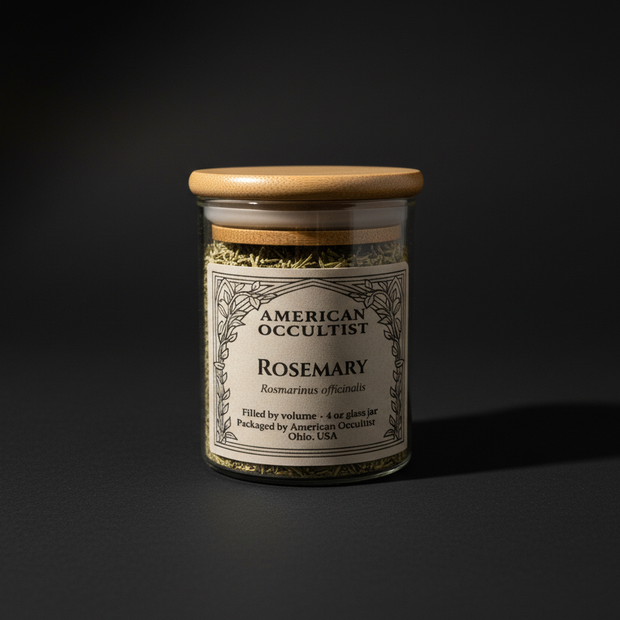
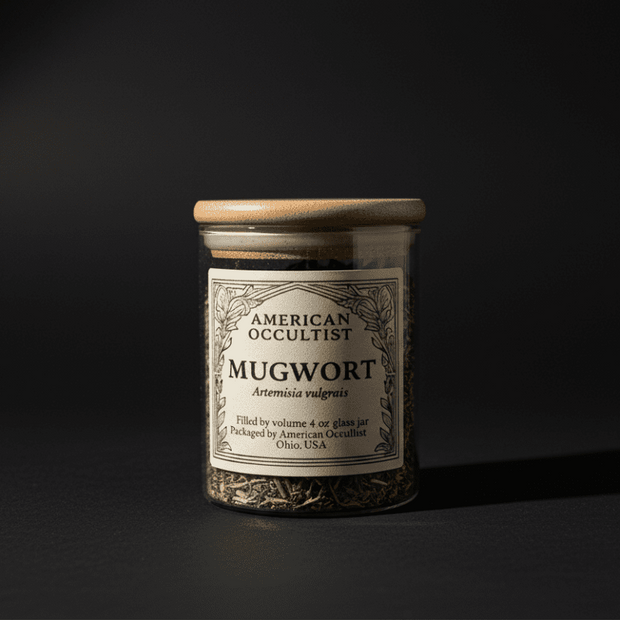
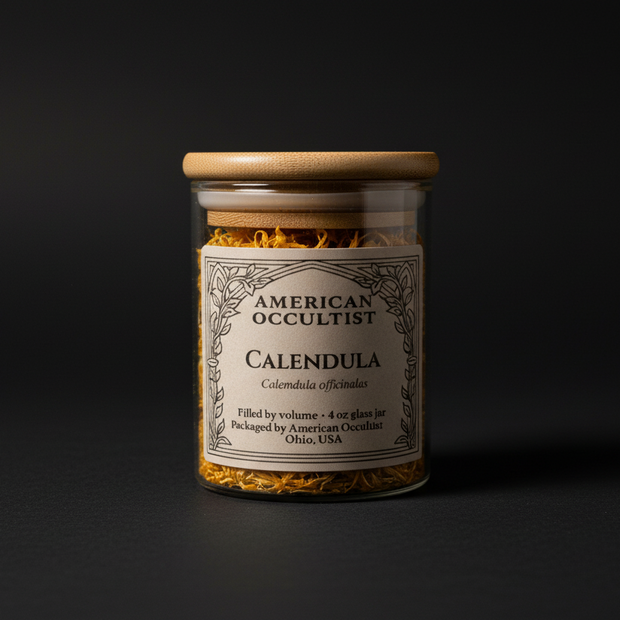
Explore ritual bottles and apothecary jars, dried ritual herbs, and ritual supplies. Material choice should support both the symbolic goal and safe storage.
Tools for this practice
Explore the products selected for this guide. Review each listing for what is included and how to use it.
Shop this guide · 4 items Collapse


Keep exploring the shop
You made it to the end of the guide. Keep exploring through related products, major departments, or the full catalog.
 RELATED TO THIS GUIDE
Ritual Herbs
Shop this topic
RELATED TO THIS GUIDE
Ritual Herbs
Shop this topic


Leave a comment