


The Wiccan Rede and Rule of Three: Meaning, History, and Common Misconceptions

The Wiccan Rede and the Rule of Three are among the most frequently quoted ideas associated with modern Wicca. They are also among the most misunderstood. Both are often reduced to slogans: “harm none” as an absolute prohibition against causing any discomfort, and the Rule of Three as a promise that every action will return in a mathematically exact triple measure.
In practice, Wiccans interpret these teachings in different ways. Some treat them as central ethical foundations. Others understand them as reflective guidance rather than supernatural law. Some traditions emphasize one and not the other, while individual practitioners may question or reject literal interpretations entirely.
This guide explains what the Wiccan Rede and Rule of Three mean, where they appear in modern Wiccan history, how their interpretations differ, and how they can support thoughtful decision-making without fear, passivity, or oversimplification.
What Is the Wiccan Rede?
The best-known form of the Wiccan Rede is the brief line:
“An it harm none, do what ye will.”
The wording may look like a commandment, but the word rede means advice or counsel. That distinction matters. A rede offers guidance for judgment; it does not automatically function as a detailed legal code capable of answering every moral question.
The phrase invites practitioners to consider freedom and responsibility together. It does not simply say, “Do whatever you want.” Instead, it places ethical attention on foreseeable harm. Desire, spellwork, ritual, speech, and ordinary action all carry consequences. Personal freedom is meaningful when it is exercised with awareness of those consequences.
For a broader introduction to Wiccan theology, ritual structure, Sabbats, Esbats, and ethics, begin with our Wicca 101 guide.
A Brief History of the Rede
Modern Wicca developed publicly during the twentieth century, and the short Rede belongs to that modern context. The eight-word form became publicly associated with Wicca in the 1960s, particularly through the work and speeches of influential Wiccan writer Doreen Valiente.
Longer poetic texts known as “The Wiccan Rede” circulated during the 1970s. These poems include many lines of seasonal, ritual, and ethical instruction, often ending with the familiar statement about harming none. Their authorship and exact origins have been debated, and they should not be presented as an unchanged law inherited from an ancient universal witch religion.
This does not make the Rede meaningless or inauthentic. Religions regularly develop language that gives shape to their values. The Rede is important because generations of Wiccans have used it to reflect on freedom, responsibility, magical ethics, and the effects of their choices.
What Does “Harm None” Actually Mean?
A literal promise to cause absolutely no harm is impossible. Eating, traveling, working, setting boundaries, ending relationships, caring for land, and defending vulnerable people can all produce some form of cost, disruption, or unintended consequence. Even refusing to act can allow preventable harm to continue.
A more practical interpretation is to reduce unnecessary harm, examine foreseeable consequences, and choose proportionate actions. Under this reading, the Rede asks several questions:
- Is the goal necessary, responsible, and clearly defined?
- Who could be affected directly or indirectly?
- Is consent required?
- Is there a less harmful way to pursue the same goal?
- Am I prepared to accept responsibility for the result?
“Harm none” therefore encourages discernment rather than perfection. It asks practitioners to pause before acting, not to become paralyzed by the possibility that every choice may have consequences.
Harm Is More Than Physical Injury
Ethical reflection should include emotional, social, financial, environmental, and spiritual effects. A ritual intended to influence another person may raise questions about autonomy. Publicly sharing someone’s divination reading may violate privacy. Harvesting plants irresponsibly may damage a local habitat. Giving medical or legal assurances through spiritual language may cause a person to delay qualified help.
Intent matters, but intent alone is not enough. A person can mean well and still cause harm through misinformation, carelessness, coercion, or refusal to correct a mistake. Responsible practice includes both intention and impact.
The Rede Does Not Require Passivity
The Rede is sometimes interpreted as forbidding self-defense, firm boundaries, protection work, or resistance to abuse. That interpretation can turn ethical advice into a demand that vulnerable people remain available to those who harm them.
Protection, refusal, distance, reporting misconduct, ending contact, and seeking legal or professional support can all be responsible responses. A boundary may disappoint someone without being unethical. Preventing greater harm may require decisive action.
The ethical question is not whether an action creates any discomfort. It is whether the action is necessary, proportionate, and directed toward safety rather than cruelty or domination.
What Is the Rule of Three?
The Rule of Three, also called the Threefold Law or Law of Threefold Return, is the idea that what a practitioner sends into the world may return to them threefold. Some Wiccans understand this as a spiritual law. Others view it as a teaching about consequences, habit, character, or the way actions ripple through relationships and communities.
The belief is influential, but it is not universally accepted by all Wiccans. Wicca includes multiple traditions, covens, lineages, and solitary practices. There is no single worldwide authority that requires every practitioner to interpret the Rule of Three in the same way.
Does Everything Literally Return Three Times?
Some practitioners accept a literal return: beneficial actions bring multiplied benefit, while harmful actions bring multiplied harm. Others find a strict mathematical reading difficult to support. Life does not consistently distribute consequences in neat, measurable units, and harmful people do not always experience immediate or visible punishment.
A symbolic interpretation may be more useful for many practitioners. An action can affect:
- the person or situation toward which it is directed;
- the practitioner’s own habits, conscience, and character;
- the wider relationships or community surrounding the act.
Under this interpretation, “threefold” emphasizes expansion rather than arithmetic. Repeated generosity can strengthen trust, identity, and community. Repeated manipulation can damage another person, normalize coercion within the practitioner, and weaken the social environment around them.
The Rule of Three can therefore serve as a reminder that magical and ordinary actions rarely remain isolated.
The Rule of Three Is Not the Same as Karma
The Rule of Three is sometimes described casually as “Wiccan karma,” but the comparison can be misleading. Karma belongs to several South Asian religious and philosophical traditions, where its meanings are tied to particular teachings about action, causation, rebirth, liberation, and moral development.
The Wiccan Rule of Three arose in a different historical and religious setting. Both ideas may encourage reflection on consequences, but they are not interchangeable. Using each term accurately respects the traditions from which it comes.
Fear-Based Ethics Versus Responsible Ethics
An ethic based only on fear asks, “How do I avoid being punished?” A responsibility-based ethic asks, “What kind of person and practitioner am I becoming, and how will my choices affect others?”
If the Rule of Three is used to frighten beginners into believing that every mistake will trigger supernatural retaliation, it can create anxiety rather than wisdom. Ethical growth requires room to learn, admit error, repair harm, and improve judgment.
Consequences are still real. A careless ritual can start a fire. A coercive love working can reinforce unhealthy fixation. False spiritual promises can damage trust. Reckless accusations can harm reputations. These are not merely threats of mystical punishment; they are foreseeable outcomes that responsible practitioners should take seriously.
Applying the Rede to Common Forms of Practice
Protection and Boundary Work
Protection work can focus on strengthening safety, clarity, distance, and resilience rather than controlling another person. A practitioner might ward their home, reinforce a personal boundary, document harassment, block unwanted contact, or seek qualified assistance. Ritual can support these actions, but it should not replace practical safety planning.
Love Magic and Consent
Love work is one of the clearest areas in which consent and autonomy matter. Attempting to compel a specific person’s affection or sexual interest treats that person as an object rather than a participant.
A more ethical approach may focus on personal openness, confidence, communication, healing from past relationships, or attracting a compatible and freely consenting partner. The goal shifts from overriding a named person’s will to creating conditions in which mutual connection can develop.
Healing and Supportive Ritual
A healing candle, prayer, altar, or meditation may provide comfort, focus, and emotional support. It should not be used to guarantee a cure, diagnose illness, or pressure someone to abandon medical care. Consent is especially important when performing spiritual work for another person.
Responsible practice is honest about its limits. Spiritual support can exist alongside licensed medical, mental-health, veterinary, or emergency care rather than competing with it.
Prosperity Work
Prosperity rituals are strongest when paired with practical action: applying for work, reviewing expenses, improving skills, negotiating fairly, building a business plan, or seeking qualified financial guidance. The Rede also invites consideration of how money is earned. A goal that depends on deception, exploitation, or another person’s preventable loss deserves closer ethical examination.
Divination and Privacy
Tarot, scrying, and other forms of divination can reveal sensitive personal themes. A reader should avoid presenting interpretation as infallible fact, making medical or legal declarations, or publicly sharing a client’s reading without permission.
Ethical divination respects privacy, uncertainty, and the client’s ability to make their own decisions.
Environmental and Animal Considerations
Ritual materials have real-world sources. Ethical practice may include avoiding protected plants, learning local harvesting rules, reducing waste, choosing safer disposal methods, and keeping smoke, oils, herbs, flames, and small objects away from pets and wildlife.
Spiritual symbolism does not erase ecological impact. A beautiful offering is not responsible if it introduces plastic, salt, wax, toxic plants, or invasive material into the landscape.
Online Speech and Community Conduct
The Rede applies beyond formal ritual. Gossip, dogpiling, public humiliation, plagiarism, false accusations, and sharing private messages can cause substantial harm. Disagreement is not automatically abuse, and accountability does not require cruelty.
Before posting, consider whether the claim is accurate, whether private information is necessary, whether the response is proportionate, and whether correction is possible without turning conflict into spectacle.
A Six-Question Ethical Check Before Ritual
A simple written review can make the Rede practical. Before significant spellwork or ritual, ask:
- What is my actual goal? Describe the desired result without vague language.
- Who may be affected? Include indirect effects on family, coworkers, animals, land, and community.
- Is consent needed? Consider autonomy, privacy, and whether another person has agreed to participate.
- What is the least harmful effective approach? Compare protection, communication, distance, repair, and practical alternatives.
- What ordinary action must accompany the ritual? Identify the call, application, appointment, budget, boundary, or safety step that belongs beside the spiritual work.
- What will I do if harm occurs? Plan to stop, apologize, correct misinformation, replace damaged property, seek help, or otherwise repair what can be repaired.
Record the answers in a journal or Book of Shadows. Reviewing them after the ritual can reveal patterns in judgment and help turn ethics into an active discipline rather than a slogan.
Ethics Within Wiccan Ritual Structure
Wiccan ritual often creates a deliberate space in which intention, symbolism, elements, deities, and community responsibilities are brought into focus. Ethical reflection can begin before the circle is cast and continue after it is closed.
When preparing ritual, consider the physical safety of candles, blades, incense, cords, oils, and offerings. When calling the elements, reflect on balance rather than using elemental language as decoration. Our guide to the Four Elements in Wiccan practice explains how elemental symbolism can support a more structured rite.
During group ritual, consent also includes touch, participation, photographs, secrecy, and the freedom to decline a role. No spiritual title removes the need for ordinary boundaries.
For a practical overview of preparation, quarter calls, tools, and proper closing, read How to Cast a Wiccan Circle.
Common Misconceptions
“The Rede Is the Wiccan Ten Commandments”
The Rede is highly influential, but Wicca does not have one universal institution or authority that imposes it identically on every tradition. It is better understood as ethical counsel that many Wiccans interpret within their own training, theology, and lived experience.
“Harm None Means Never Make Anyone Uncomfortable”
Discomfort and harm are not identical. Honest disagreement, ending a relationship, enforcing a boundary, or reporting dangerous behavior may be uncomfortable while still being necessary and ethical.
“Good Intentions Make Every Spell Ethical”
Good intentions do not erase coercion, misinformation, unsafe methods, or preventable consequences. Ethical evaluation must include impact, consent, knowledge, and willingness to repair mistakes.
“Every Bad Event Is Threefold Punishment”
Not every illness, accident, financial problem, or loss should be treated as supernatural punishment. That belief can encourage victim-blaming and anxiety. Ordinary causes, chance, structural conditions, and other people’s choices remain real.
“The Rule of Three Guarantees Justice”
The Rule of Three is not a substitute for boundaries, community accountability, evidence, law, or practical protection. Waiting for the universe to correct abuse may leave people exposed to further harm.
Frequently Asked Questions
Is the Wiccan Rede a law?
Many Wiccans treat it as an important ethical principle, but the word rede means counsel or advice. Its authority and interpretation vary among traditions and individual practitioners.
Does “harm none” prohibit self-defense?
Not necessarily. Many practitioners understand protection, proportionate self-defense, firm boundaries, and intervention against greater harm as compatible with responsible Wiccan ethics.
Must every Wiccan believe in the Rule of Three?
No. It is influential, but Wiccans differ on whether it is literal, symbolic, pedagogical, or personally binding.
Is the Rule of Three the same as karma?
No. They come from different religious and historical contexts. Both may involve reflection on actions and consequences, but they should not be treated as identical concepts.
Do accidental mistakes return threefold?
There is no universal Wiccan answer. A responsibility-based approach focuses less on fearing punishment and more on recognizing the mistake, stopping preventable harm, repairing what can be repaired, and learning from it.
Can a Wiccan curse?
Wiccans disagree. Some reject cursing because of the Rede, the Rule of Three, or personal vows. Others permit limited defensive or justice-oriented work under particular circumstances. Anyone considering such work should examine necessity, evidence, proportionality, alternatives, personal tradition, and the consequences they are prepared to accept.
A Mature Reading of Wiccan Ethics
The Rede is not most useful when it is treated as a loophole, a weapon against other practitioners, or an impossible demand for moral purity. The Rule of Three is not most useful when it becomes a threat that every imperfect choice will bring supernatural disaster.
Together, these teachings can encourage a deeper discipline: act freely, examine motives, respect consent, reduce unnecessary harm, accept consequences, and repair damage when possible. That discipline belongs not only in spellwork, but also in relationships, business, community, environmental care, and everyday speech.
Wiccan ethics are lived through choices. Study the tradition, keep careful records, question simple answers, and let spiritual practice strengthen—not replace—compassion, judgment, and practical responsibility.
To continue building a grounded foundation, explore the Wheel of the Year and its eight Sabbats, or return to our complete introduction to Wiccan beliefs and rituals.
Tools for this practice
Explore the products selected for this guide. Review each listing for what is included and how to use it.
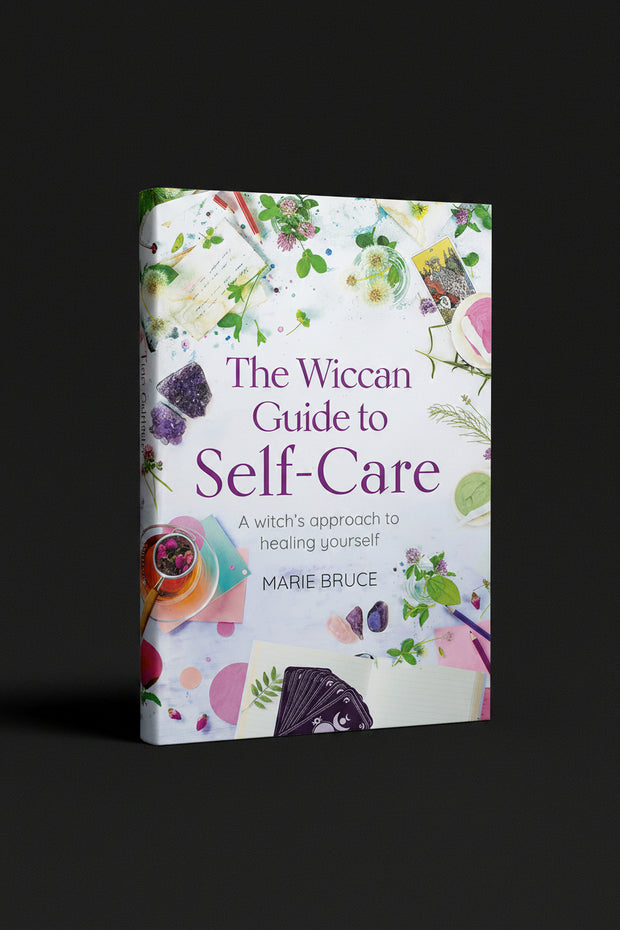
Shop this guide · 3 items Collapse


Keep exploring the shop
You made it to the end of the guide. Keep exploring through related products, major departments, or the full catalog.


Leave a comment