


Ancient Marketing Myths in Spiritual Products: How to Evaluate Big Claims

Spiritual products are often sold through stories. A candle is described as based on an ancient formula. A symbol is called timeless. An incense blend is presented as sacred to a civilization, while a stone is said to have been used for the same purpose for thousands of years.
Some products genuinely draw from documented traditions, historic designs, religious materials, family methods, or established modern systems. Others use the atmosphere of antiquity without providing enough information to evaluate the claim.
The goal is not to strip spiritual objects of meaning. It is to distinguish a meaningful story from a historical, material, cultural, or health claim that requires evidence.
Why “Ancient” Sells
Age can suggest authority, continuity, mystery, rarity, and freedom from modern commercial influence. Marketing can turn those associations into a shortcut:
- old becomes trustworthy;
- traditional becomes effective;
- handmade becomes ethically produced;
- natural becomes safe;
- sacred becomes culturally authorized;
- secret becomes valuable;
- authentic becomes beyond criticism.
None of those conclusions follows automatically. A practice can be old and dangerous, modern and meaningful, traditional and regionally disputed, handmade and poorly sourced, or natural and toxic.
Separate Four Different Claims
1. Historical claim
The product, formula, symbol, or use existed in a specific past period.
2. Cultural claim
A named community, religion, people, or lineage recognizes or authorizes the object or practice.
3. Material claim
The object contains a specific substance, was made in a stated place, or was produced by a particular process.
4. Performance claim
The product will cause a physical, medical, financial, emotional, or spiritual result.
A seller may have evidence for one kind of claim but not the others. A historically inspired design does not prove cultural authorization. A genuine material does not prove healing power. A family recipe does not automatically date back centuries.
What Does “Ancient” Actually Mean?
“Ancient” is often used without a date, place, or source. Ask:
- Ancient according to which historical period?
- Where was the practice documented?
- What is the earliest evidence?
- Does the evidence concern the object, its material, its symbol, or the exact modern use?
- Is the product a reproduction, adaptation, reconstruction, or newly created design?
A pentacle pendant made this year can use an old symbol without being an ancient object. A modern incense blend may contain historically used resins without reproducing one documented formula.
Read Is This Tradition Really Ancient? for a fuller method of evaluating continuity claims.
“Traditional” Needs a Tradition
A useful description names the tradition, location, community, period, or source. “Traditional protection incense” is vague. “A modern blend inspired by ingredients documented in nineteenth-century European folk practice” is narrower and easier to evaluate.
Traditions also change. Community members may disagree about correct materials, symbolism, ownership, or modern commercial use. A seller should not speak for an entire culture based on one book, one teacher, or one product wholesaler.
“Authentic” Can Refer to Different Things
Authentic may mean:
- made by members of a community;
- made in a particular region;
- produced through a documented technique;
- made from traditional materials;
- authorized by a religious body;
- accurate to a historical design;
- simply consistent with the seller’s own modern brand.
The word is useful only when the description explains which meaning applies.
“Sacred” Is Not a Decorative Synonym
An object may be sacred because of consecration, ritual use, community recognition, relationship with a deity, or placement within a religious setting. A commercially manufactured object does not become sacred merely because its product title uses the word.
Some sacred forms can be respectfully sold and used. Others may require community standing, initiation, or restrictions on reproduction. Review What Does “Closed Practice” Mean? and Cultural Appropriation vs. Cultural Appreciation before treating sacred imagery as generic inventory.
“Secret” and “Forbidden” Claims
Claims that a product reveals a secret teaching, banned ritual, hidden initiation, or forbidden formula create urgency. Sometimes a text or practice did circulate privately. More often, the marketing gives ordinary or publicly available material a dramatic frame.
Ask:
- Who supposedly restricted the information?
- When and where was it restricted?
- How did the seller obtain permission to publish or sell it?
- Is the “secret” simply an uncited modern formula?
- Does the secrecy claim prevent independent checking?
Secrecy should not be used to excuse missing ingredients, unsafe instructions, or unverifiable authority.
Natural Does Not Mean Safe
Spiritual products may include herbs, oils, resins, minerals, metals, smoke, powders, dyes, and animal-derived materials. “Natural” says little about safe exposure.
Check:
- complete ingredient information;
- skin and allergy warnings;
- whether the product is intended for burning, topical use, ingestion, or display only;
- pet and child safety;
- ventilation requirements;
- flammability;
- known toxicity or contamination concerns;
- how the product should be stored and discarded.
A seller should not use traditional language to make unsupported medical claims. Historical use can be relevant context, but it is not the same as reliable evidence that a product treats disease.
Handmade, Ethical, and Sustainable
These words also need detail.
Handmade
Was the entire object made by hand, assembled by hand from manufactured parts, finished by hand, or only packaged by hand?
Ethically sourced
What labor, animal-welfare, land-access, trade, or supplier standard is being referenced? Is there documentation or only a repeated distributor claim?
Sustainable
Does the claim concern harvesting, farming, packaging, shipping, renewability, recycled content, or a certification?
A small business may not have perfect traceability for every supply chain. Honest limits are better than a broad claim that cannot be explained.
Questions to Ask Before Buying
- What exactly is the product made from?
- Where was it made or sourced?
- Who designed or produced it?
- What does “traditional,” “authentic,” or “ancient” mean in this listing?
- Is the history documented or merely repeated?
- Is the item a reproduction, inspiration, or community-recognized object?
- Are safety instructions complete?
- Are spiritual meanings described as beliefs rather than guaranteed outcomes?
- Does the product rely on fear, urgency, or a curse claim to force the sale?
- Can the seller answer questions without inventing more mystery?
Red Flags in Product Copy
- “Guaranteed to work for everyone.”
- “Scientifically proven energy” without identifiable research.
- “Used unchanged for thousands of years” without dates or sources.
- “Authentic tribal” without naming a people, maker, or relationship.
- “Secret formula” with undisclosed ingredients.
- “Cures anxiety, cancer, infection, or other medical conditions.”
- “You need this immediately because someone has cursed you.”
- “Only initiated experts know why it works,” paired with no verifiable authority.
- stock photographs presented as the exact handmade item;
- cultural names or symbols used inaccurately to raise perceived value.
Fear-based sales tactics overlap with broader spiritual fraud. See Fake Psychics and Spiritual Scams.
A Better Way to Describe Spiritual Products
Responsible copy can still be evocative. It should distinguish:
- what the object physically is;
- what is documented about its design or ingredients;
- which tradition or modern system uses the symbolism;
- what practitioners may believe about it;
- what the product cannot guarantee;
- how to use it safely.
For example:
“This modern ritual candle is dressed with a fragrance blend associated in contemporary practice with protection and boundary work. It is not a reproduction of a single ancient formula. Burn only in a suitable holder, trim the wick, and never leave flame unattended.”
That description preserves meaning while giving the customer accurate expectations.
A Retailer’s Evidence Checklist
- Keep supplier records and ingredient information.
- Verify material and country-of-origin claims when possible.
- Do not upgrade “inspired by” into “authentic.”
- Do not invent a lineage for a modern design.
- Label reproductions and modern adaptations.
- Use cultural names accurately and respectfully.
- Separate metaphysical traditions from medical promises.
- Review copied supplier descriptions before publishing them.
- Correct claims when better evidence becomes available.
Shop With Meaning, Not Manufactured Urgency
Explore Ritual Supplies, Altar Tools, and Printed Works as tools for an informed practice. A product should earn its place through material quality, clear purpose, responsible description, and genuine relevance—not through a story that becomes less specific every time it is questioned.
Frequently Asked Questions
Does modern mean inauthentic?
No. Modern practices and products can be sincere, useful, artistically strong, and spiritually meaningful. The problem is presenting modern creation as documented antiquity.
Can a product be inspired by several traditions?
Yes, when the synthesis is described honestly and does not claim authority, lineage, or permission it does not have.
Is historical use proof that an herb is medically effective?
No. Historical use is evidence that people used or understood the material in a certain way, not proof of modern safety or clinical effectiveness.
Are all cultural products inappropriate to buy?
No. Consider who made the object, whether it is intended for public sale, how it is represented, and whether the purchase supports or exploits the community connected with it.
What should a seller say when the origin is uncertain?
State the uncertainty. “Commonly described in modern sources as…” is more honest than converting a repeated claim into established fact.
Specific Claims Build Stronger Trust
Spiritual products do not need invented antiquity to matter. Clear materials, documented inspiration, safe use, respectful context, and honest uncertainty create a stronger relationship between the object, the seller, and the customer.
Tools for this practice
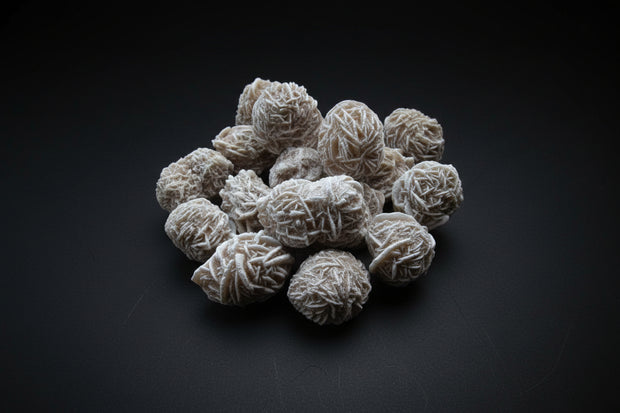
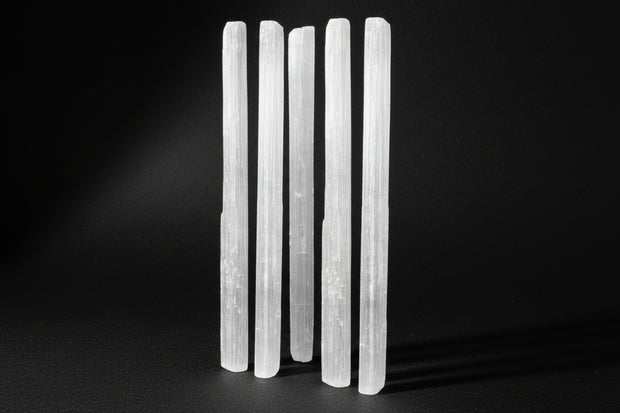
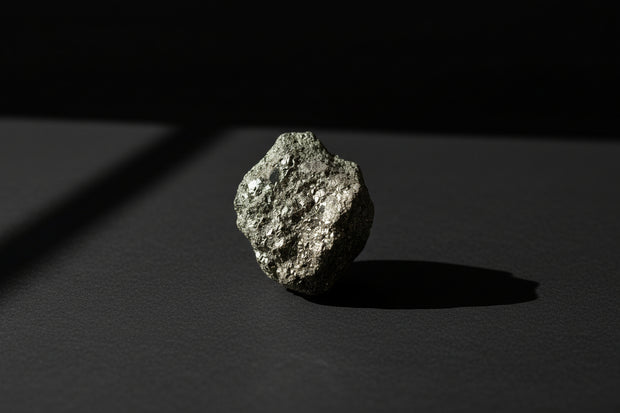
Explore the products selected for this guide. Review each listing for what is included and how to use it.

Shop this guide · 4 items Collapse



Keep exploring the shop
You made it to the end of the guide. Keep exploring through related products, major departments, or the full catalog.
 RELATED TO THIS GUIDE
Crystals & Stones
Shop this topic
RELATED TO THIS GUIDE
Crystals & Stones
Shop this topic


Leave a comment