


Candle Soot, Tunneling, Weak Flames, and Cracked Glass: Signs or Candle Problems?

A ritual candle can soot, tunnel, burn weakly, extinguish itself, or overheat its container for ordinary mechanical reasons. Before treating unusual candle behavior as a message, inspect the wick, wax, holder, room, and burn history. This does not forbid symbolic reflection. It simply prevents a correctable candle problem from becoming a frightening prediction.
Quick answer: troubleshoot first, interpret second
The most useful order is:
- Extinguish the candle if the container is damaged, the flame is unusually large, or the setup is unsafe.
- Record what happened without adding an interpretation.
- Check the physical causes described below.
- Correct the setup only when the candle has cooled completely.
- If symbolism is part of your practice, interpret what remains with humility rather than certainty.
| What you see | Common physical causes | Best first response |
|---|---|---|
| Black soot | Wick too long, mushroomed wick, draft, incomplete combustion, additives | Extinguish, cool, trim wick, remove drafts |
| Tunneling | First burn too short, wick too small, candle extinguished before a full melt pool formed | Use longer supervised burns within manufacturer guidance |
| Weak flame | Wick too short, wick drowning in wax, poor fuel flow, excess additives | Extinguish, cool, inspect wick and wax |
| Flame repeatedly goes out | Draft, submerged wick, damaged wick, debris, unsuitable container | Stop relighting until the cause is corrected |
| Cracked glass | Preexisting damage, thermal shock, overheating, flame too close to glass | Stop using the candle immediately |
| Dancing or leaning flame | Air movement, uneven wick, melted wax flow | Check fans, vents, windows, and wick position |
Why candles produce black soot
Soot is produced when fuel does not burn completely. A wick that has become too long may draw more fuel than the flame can burn cleanly. A carbon buildup at the wick tip, often called a mushroom, can also create smoke and soot. Drafts make the flame flicker and disturb combustion, while herbs, glitter, oils, paper, and other additions can introduce more fuel or debris than the candle was designed to handle.
Do not scrape hot glass or reach into melted wax. Extinguish the candle, allow it to cool, and follow the candle maker’s wick-trimming instructions. If soot continues after the wick and room conditions are corrected, retire the candle rather than repeatedly forcing it to burn.
Why a candle tunnels
Tunneling occurs when the center burns downward while a wall of unmelted wax remains around the edge. One common cause is extinguishing a container candle before the melt pool reaches an appropriate width during its early burns. The candle can then continue following that narrow path.
A wick that is too small for the candle diameter can also fail to melt the outer wax. This is a manufacturing or design mismatch, not evidence that a ritual is blocked. Do not compensate by adding multiple flames, pouring accelerants into the wax, wrapping a burning candle in flammable material, or using an improvised heater.
Weak flames and drowning wicks
A very short wick may struggle to draw enough melted wax. Sometimes the wick has been trimmed too closely; sometimes melted wax has covered it. Added oils and powders can clog or destabilize the wick. If the flame remains tiny, repeatedly extinguishes itself, or produces smoke, stop and inspect the cooled candle.
Removing hot wax with a spoon, knife, paper towel, or fingers can cause burns or tip the container. Wait until the candle is cold. If the wick cannot be safely exposed without damaging the candle, use a different candle.
What a self-extinguishing candle means
A candle going out is not automatically a rejection, warning, or failed spell. Air movement, a defective wick, debris, poor wax flow, or a wick that has fallen into the melt pool are more immediate explanations. A jar candle may also struggle near the bottom if the wick and container were not designed well.
Before relighting, ask whether the candle remains physically safe. A repeatedly failing candle should not become a contest of persistence. The ritual can be paused, rewritten, completed with a different candle, or adapted using a flame-free method.
Cracked glass is a stop signal, not a divination challenge
Never continue burning a candle in cracked, chipped, or severely overheated glass. Cracks may spread, hot wax may leak, and the container may fail. Even when someone assigns spiritual meaning to the break, the practical response remains the same: extinguish the flame without moving hot glass unless immediate danger requires it, keep people and animals away, allow everything to cool, and dispose of the damaged container safely.
Do not place hot glass into water or a freezer. Sudden temperature change can worsen the break. Do not reuse a damaged candle jar for future flame work.
Herbs, oils, glitter, and dressed candles
Decorated ritual candles require restraint. Loose plant material can ignite. Excess oil can flare. Glitter, stones, charms, paper, cord, and synthetic decorations may burn unpredictably, release unpleasant fumes, obstruct the wick, or overheat the container.
Use only a small amount of compatible dressing, keep combustible material away from the wick and flame, and place the candle on a stable noncombustible holder. An attractive heavily dressed candle can still be an unsafe candle.
Can candle behavior still have symbolic meaning?
Symbolic interpretation can be part of a personal or inherited practice, but it should not erase ordinary causes. Record the event in two columns: what physically happened and what it suggested to you. This keeps observation separate from interpretation.
A single flicker should not dictate a major financial, medical, legal, or relationship decision. Repeated patterns may be worth journaling, but certainty should remain proportional to the evidence. For a broader review process, see Ritual Failure: How to Review a Working Without Superstition.
A safer candle checklist
- Use a stable, heat-resistant, noncombustible holder.
- Keep candles at least 12 inches from anything that can burn.
- Keep hair, sleeves, paper, altar cloths, herbs, and decorations away from the flame.
- Keep the candle away from fans, open windows, vents, pets, and children.
- Never burn a candle while sleeping or after leaving the room.
- Keep matches, lighters, and hot tools secured.
- Stop using cracked glass, unstable holders, or candles with uncontrolled flames.
- Use battery-operated candles when open flame is not appropriate.
For a complete room and equipment safety review, read Fire Safety for Candles, Incense, Charcoal, and Ritual Burning. You can also compare formats in Candle Types in Witchcraft or explore smoke-free and flame-free ritual alternatives.
Frequently asked questions
Does black soot mean a spell is blocked?
Not by itself. A long wick, carbon buildup, additives, drafts, and incomplete combustion are common causes. Correct the mechanics before making a symbolic interpretation.
Can I keep burning a candle after the glass cracks?
No. Extinguish it and retire the container. Cracked glass can fail and release hot wax or flame.
Why did my candle go out during a ritual?
Check for drafts, a submerged or damaged wick, debris, poor wax flow, and an unsuitable container. The ritual can be paused or completed with another safe method.
Should a ritual candle burn all the way down in one sitting?
Only when the candle is designed for that duration and can remain continuously supervised. Never leave a candle unattended to meet a ritual rule.
Is a high flame a positive sign?
A high flame can result from an overly long wick, excess fuel, or combustible dressing. Treat an unusually large flame as a safety issue first.
Can I add more herbs or oil when the flame is weak?
No. Adding fuel to a burning candle can cause flare-ups. Extinguish the candle and let it cool before making any decision.
Choose equipment that fits the work
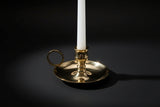
For supervised ritual use, browse candles and candle accessories. A correctly sized holder and a clear, stable setup matter more than forcing dramatic candle behavior.
Tools for this practice
Explore the products selected for this guide. Review each listing for what is included and how to use it.
Shop this guide · 4 items Collapse

Keep exploring the shop
You made it to the end of the guide. Keep exploring through related products, major departments, or the full catalog.
 RELATED TO THIS GUIDE
Candles & Incense
Shop this topic
RELATED TO THIS GUIDE
Candles & Incense
Shop this topic


Leave a comment