


How to Build a Portable Travel Altar Without Carrying Everything

A portable altar is not a miniature copy of everything you own. It is a compact set of objects and instructions that supports a specific practice away from its usual location. The strongest travel altar is easy to explain, safe to transport, quick to set up, simple to close, and small enough that you will actually use it.
Begin with purpose and constraints—not with a shopping list.
Decide What the Travel Altar Must Support
Choose one primary use:
- daily prayer or devotion;
- meditation and grounding;
- tarot or oracle reading;
- seasonal observance;
- ancestor remembrance;
- study and journaling;
- a brief opening and closing routine;
- private symbolic work without smoke or flame.
A kit for hotel prayer differs from a kit for outdoor divination or a reader working at an event. One container does not need to perform every possible ritual.
Write the Practice Before Packing
Draft the smallest complete sequence.
- How will you mark the beginning?
- What is the central action?
- What single object is genuinely required?
- How will you close?
- What must be cleaned or packed afterward?
- What is the flame-free and smoke-free version?
Use How to Write a Ritual From Beginning to End to remove steps that depend on a permanent altar.
Choose a Container Before the Objects
The container establishes the physical limit. Options include:
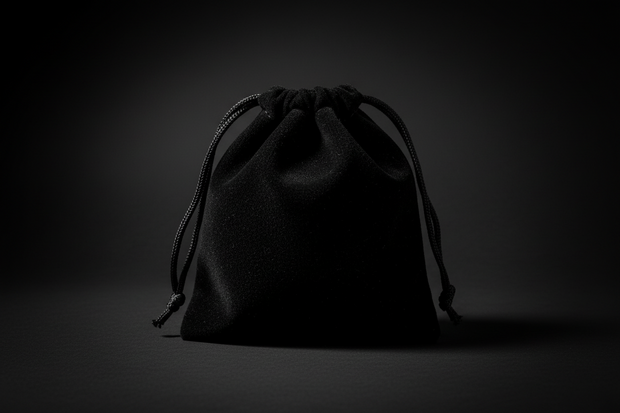
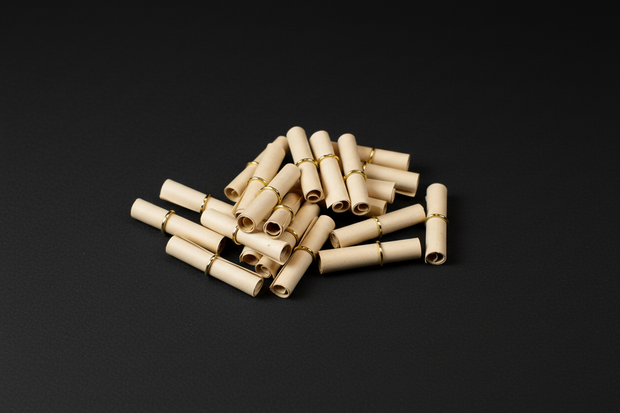
The portable altar selection includes small pouches, paper, tiles and other compact objects. Measure the container and make sure fragile or sharp items can be packed safely before adding more tools.
- a small rigid box;
- a padded zip pouch;
- a divided organizer;
- a cloth roll with secured pockets;
- a deck bag with a separate card for instructions;
- a locking case when privacy matters.
The container should protect contents from crushing, leaks, weather, and casual access. A soft pouch suits durable objects but not fragile glass, loose blades, leaking oil, or crystal clusters.
A Minimal Five-Part Kit
Many travel practices can be built from five categories.
- Surface: small cloth, card, tray, or the inside of the open box.
- Focus: one image, symbol, token, stone, written name, or devotional object.
- Action tool: deck, pencil, prayer beads, key, bell, or small bowl only when necessary.
- Record: compact notebook, index cards, or folded paper.
- Closing and cleanup: cloth, sealed bag, lid, and written closing statement.
Light, scent, color, and sound can be supplied by the room or imagination rather than separate objects.
Use Flat and Multipurpose Objects
Flat objects pack well and create fewer breakage risks.
- A printed image can replace a statue for travel.
- A cloth can define the surface and wrap the contents.
- A card can hold an opening, prayer, correspondence, and closing.
- A small notebook can serve as record, petition paper, calendar, and reading log.
- A single durable token can mark focus, boundary, or completion.
- The container lid can become the display surface.
Multipurpose does not mean careless substitution. Preserve the requirements of the practice and label personal adaptations honestly.
Plan a Smoke-Free and Flame-Free Version
Hotels, hospitals, dorms, vehicles, offices, public events, and other people’s homes may prohibit open flame, incense, charcoal, aerosol, fragrance, and smoke.
Alternatives include:
- an electric candle;
- a reflective card or small light already in the room;
- a silent breath sequence;
- a bell used only where sound is permitted;
- a written scent name instead of fragrance;
- a clean cloth or symbolic sweep;
- water in a closed bottle rather than an open offering;
- a timed reading or prayer.
Read Smoke-Free and Flame-Free Witchcraft for complete alternatives.
Liquids, Oils, Powders, and Herbs
These are common sources of leaks, odors, inspection problems, contamination, and property damage.
- Carry only a small amount when genuinely required.
- Use a labeled leak-resistant primary container inside a sealed secondary bag.
- Do not transport unlabeled powders or plant material.
- Keep supplier information with herbs and oils.
- Avoid loose salt, ash, glitter, soil, and candle wax.
- Do not anoint hotel furniture, rental property, public objects, or another person’s belongings.
- Check current carrier, venue, lodging, border, park, and local rules before traveling.
When rules are uncertain, leave the material at home and use a written symbol.
Blades, Athames, and Sharp Tools
A portable altar rarely requires a blade. Knives, athames, pins, scissors, needles, spikes, and sharp carvings create legal, transportation, workplace, event, and safety issues.
Use a printed image, finger gesture, wand, key, pencil, or spoken direction when the function is symbolic. Never conceal a prohibited object inside ritual packaging.
Crystals and Fragile Objects
Choose one durable, replaceable piece rather than a cluster, soft mineral, tall tower, or sentimental specimen.
Consider:
- hardness and toughness;
- cleavage and fracture;
- weight;
- whether it can roll;
- surface coatings or treatments;
- customs or geological-collection rules;
- loss and theft;
- whether the object can be identified if questioned.
Wrap stones individually. Do not allow quartz, metal, or grit to abrade softer polished objects.
Privacy and Discretion
A discreet altar can be fully meaningful. Privacy may protect employment, housing, family relationships, client information, or personal religious practice.
Avoid carrying:
- unprotected client notes;
- photographs used without consent;
- full names and addresses;
- group records;
- rare originals that can be photographed or lost;
- objects you cannot comfortably explain to security, hosts, or travel companions.
Use initials, codes, sealed envelopes, or a digital record with appropriate security. Review Privacy and Confidentiality in Spiritual Practice.
Respect the Host and the Space
Ask before creating smoke, sound, fragrance, offerings, floor markings, food, outdoor deposits, photography, or visible displays. Do not assume payment for a hotel room grants permission to burn candles or incense.
Protect surfaces with a clean cloth or tray. Keep exits, sprinklers, alarms, outlets, and walkways clear. Return the area to its original condition.
Outdoor Travel Altars
Outdoor practice adds wind, fire restrictions, wildlife, insects, rain, public visibility, land ownership, and leave-no-trace requirements.
- Do not leave offerings, wax, salt, glass, ribbon, food, coins, or herbs behind.
- Do not remove plants, stones, soil, bones, or artifacts where collection is prohibited.
- Use existing surfaces rather than building cairns or moving habitat.
- Keep every object weighted or secured.
- Pack out everything you brought.
A photograph, observation, prayer, or written record can mark the visit without changing the site.
Portable Divination Setup
For tarot or oracle work, pack:
- one deck;
- protective bag or box;
- small cloth if needed;
- question and consent guidelines;
- compact notebook;
- a way to separate private client notes;
- a backup method for poor lighting or limited table space.
A full altar is not required for a responsible reading.
Create an Inventory Card
Keep a card inside the container with:
- every item;
- purpose;
- material;
- replacement value;
- safety restriction;
- opening and closing sequence;
- emergency or no-flame version;
- contact information only when safe;
- date of the last review.
Count the items before leaving a location.
A Setup and Pack-Down Routine
Setup
- confirm permission and safety rules;
- clean the surface;
- place the cloth or open container;
- set out only the required objects;
- keep packaging together;
- perform the written opening.
Pack-down
- perform the closing;
- extinguish or remove every active element;
- seal liquids and powders;
- count and inspect the objects;
- clean the surface;
- record the practice;
- close and secure the container.
Compact Storage Options
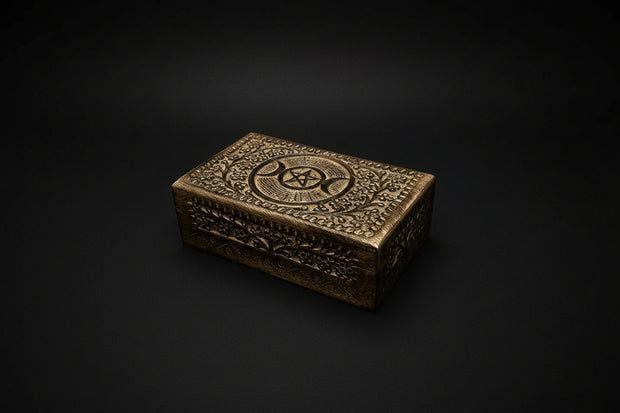
Browse Storage & Chests and Altar Supplies after defining the kit. The Black Velvet Pouch can hold a few durable small items, while the Mini Ritual Scrolls provide compact paper for prayers, reminders, or written intentions. A rigid option such as the Triple Moon Pentacle Box offers more protection but takes more space. Choose the container that matches the contents rather than forcing fragile items into a decorative kit.
See How to Choose and Use a Beginner Altar Kit for a permanent-space comparison.
Frequently Asked Questions
What is the smallest possible travel altar?
A written opening and closing on one card may be enough. The practice determines the minimum, not the product count.
Can I fly with ritual herbs or powders?
Rules vary by carrier, route, jurisdiction, and destination. Check current official requirements and leave unidentified or unnecessary material at home.
Should I bring an athame?
Usually not. A symbolic alternative avoids transportation, venue, and safety problems.
Can the altar stay inside the box?
Yes. The interior of the lid or open container can define the working surface and simplify cleanup.
How do I keep the practice private?
Use ordinary-looking containers, flat symbols, coded notes, quiet actions, and smoke-free methods. Privacy does not make the practice less sincere.
Do I need a separate travel version of every tool?
No. Rewriting the ritual is often better than buying miniature duplicates.
Carry the Practice, Not the Entire Room
A travel altar succeeds when it supports one complete practice with minimal risk and cleanup. Set a container limit, favor flat and multipurpose objects, prepare a no-flame version, protect privacy, check current rules, and bring home everything you carried in.
Tools for this practice
Explore the products selected for this guide. Review each listing for what is included and how to use it.
Shop this guide · 3 items Collapse


Keep exploring the shop
You made it to the end of the guide. Keep exploring through related products, major departments, or the full catalog.


Leave a comment