


How to Choose and Use a Beginner Altar Kit

A beginner altar kit can reduce the uncertainty of starting a practice. It can also create a new problem when a box of objects is treated as a universal list of things every witch, Pagan, Satanist, occultist, or spiritual practitioner must own.
There is no single required altar kit. Different traditions use different tools, and many people begin with an uncluttered surface, one meaningful object, and a safe source of light. A useful kit should support a defined purpose—not pressure the buyer into performing a practice they have not chosen.
What Is an Altar Kit?
An altar kit is a grouped set of objects intended to help establish or perform a ritual practice. The phrase may describe several very different products:
- General altar set: A selection of reusable tools or display pieces for establishing a working surface.
- Spell kit: Materials assembled for one defined working, often including consumables.
- Devotional kit: Objects associated with a named deity, spirit, saint, philosophy, or religious tradition.
- Divination kit: A deck, pendulum, runes, cloth, journal, or other tools used for a specific method.
- Crystal kit: A curated group of stones selected by material, color, intention, or educational theme.
- Smoke-cleansing bundle: Burnable botanicals, incense, a holder, or related clearing tools.
- Portable altar kit: Compact pieces chosen to travel or store together.
Read the complete contents rather than relying on the word “kit.” A set of altar décor is not the same thing as a complete ritual system.
Begin With Purpose
Before choosing a kit, write one sentence describing what you want to do. Examples include:
- Create a small private space for daily meditation
- Begin learning candle magic safely
- Organize tools already owned
- Establish a devotional space for a specific deity
- Practice a particular form of divination
- Build a portable altar that can be stored after use
- Perform one protection, prosperity, remembrance, or seasonal working
A clear purpose prevents a kit from becoming a box of unrelated symbolic objects. It also makes it easier to recognize what is missing and what is unnecessary.
Reusable Tools vs. Consumable Supplies
Separate the contents into two categories.
Reusable tools
These may include a cloth, bowl, candle holder, bell, wand, athame, offering plate, storage box, statue, incense burner, or divination tool. Their value depends on material, construction, safety, and whether the practice actually uses them.
Consumables
These may include candles, incense, herbs, resins, oils, powders, charcoal, paper, salt, or prepared spell materials. Check quantity, labeling, ingredients, directions, allergens, and whether any item is intended to be burned, applied to skin, ingested, or used only as symbolic material.
A large item count can be misleading when most pieces are tiny consumables. A smaller kit with two durable, useful tools may offer more lasting value.
There Is No Universal Required Tool List
Lists of “ten essential altar tools” are useful as introductions to common objects, not as laws. An athame may be central to one Wiccan tradition and irrelevant to a devotional Pagan shelf. A chalice may have ceremonial importance in one system and function as a simple offering vessel in another. A non-theistic Satanist may build a ritual space around entirely different imagery and purposes.
Review Tools of the Craft: Pagan Altar Tools and Supplies as a vocabulary guide. Then choose only what supports the path being practiced.
Evaluate the Actual Contents
For every item in the kit, ask:
- What is this object?
- What practice or tradition uses it?
- Is its material identified?
- Is it decorative, devotional, or functional?
- Will it come into contact with heat, flame, smoke, skin, food, or liquid?
- Can it be cleaned and stored safely?
- Do I already own something that serves the same purpose?
- Would I buy this item separately?
A kit should not receive a free pass from normal product evaluation. Candles still need suitable holders. Charcoal still needs a heat-safe burner. Unknown oils should not be put on skin. Decorative bowls should not be assumed food-safe. Crystals should not be placed in water merely because the set is marketed for cleansing.
Check Whether the Kit Teaches a Method
The most useful beginner kits explain how the pieces relate. Instructions do not need to dictate belief, but they should identify materials, basic safety, and the intended sequence of use.
Useful guidance may include:
- A complete inventory
- Basic setup instructions
- Clear identification of burnable and non-burnable items
- Care and storage directions
- Suggested substitutions
- An explanation of what the kit does not include
- Warnings against ingestion, unsafe skin application, or inappropriate fire use
A card that merely assigns an intention to every object is not the same as practical instruction.
Altar Set, Spell Kit, or Curated Theme?
Choose an altar set when:
- You need a few reusable pieces that work together
- You want a compact foundation rather than a one-time spell
- The objects match a practice you are actively learning
A product such as the Lesser Altar Set should be evaluated as a foundation: what permanent pieces it provides, what those pieces are made from, and what the user will still need to add.
Choose a spell kit when:
- The goal is specific and clearly explained
- The consumables are labeled
- The instructions allow responsible choice rather than promising guaranteed outcomes
- You understand what can be reused after the working
Choose a curated crystal kit when:
- The stones are identified accurately
- You want to compare several materials
- The selection matches the stated educational or symbolic theme
- Care instructions account for differences between minerals
For example, a Protection & Grounding Kit can be used as a study set or symbolic grouping without presenting the stones as medical treatment or guaranteed protection.
Plan the Altar Surface Before Buying
Measure the available surface. Kits can look compact in a product photograph and become crowded when candles, burners, open books, and hand movement are added.
A practical beginner setup may include:
- A stable surface or protective cloth
- One central focus object, symbol, or devotional image
- One safe light source
- One bowl, plate, or container appropriate to its intended contents
- One working tool needed for the chosen method
- Open space for hands, cards, writing, or offerings
The open space is part of the altar. Filling every inch can make the setup harder and less safe to use.
Fire, Smoke, and Material Safety
Any kit containing candles, incense, charcoal, resins, powders, or smoke-cleansing materials requires a separate safety review. Decorative boxes, altar cloths, dried herbs, paper instructions, feathers, resin statues, and hanging cords are combustible or heat-sensitive.
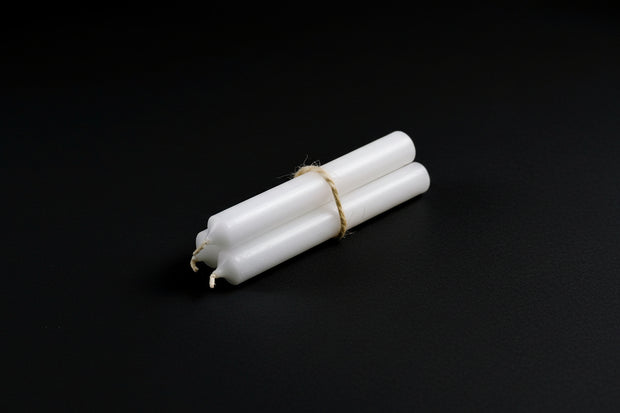
- Use candles only in correctly fitted, stable holders.
- Use charcoal only in a burner intended for charcoal heat.
- Provide ventilation when burning incense.
- Keep flame and embers away from cloth, paper, dried plants, shelves, and hair.
- Never leave burning materials unattended.
- Do not assume an included dish is safe for every heat source.
- Keep all kits away from children and animals when they contain sharp tools, small stones, matches, oils, or burnable material.
Read How to Choose a Ritual Candle Holder and How to Choose an Incense Burner before combining open flame and smoke tools on a small surface.
How to Set Up the Kit
- Inventory everything. Compare the contents with the listing and identify any unlabeled material.
- Clean reusable objects. Use a method appropriate to the material rather than automatically soaking, salting, smoking, or oiling every item.
- Remove unnecessary pieces. Store anything that does not serve the current purpose.
- Place the largest stable objects first. These establish the working boundaries.
- Test candles and burners while unlit. Check fit, clearance, and reach.
- Arrange active tools within comfortable reach. Do not reach across flame or hot charcoal.
- State the purpose of the setup. This can be devotional, meditative, practical, or ritual.
- Use one method at a time while learning. A beginner does not need every included item active in the first session.
Consecration Is Optional and Tradition-Specific
Some traditions cleanse or consecrate new tools. Others begin using them after ordinary physical cleaning. Consecration may involve prayer, elemental symbolism, anointing, smoke, sound, water, or a formal ritual—but not every material tolerates every method.
Do not place metal, porous stone, wood, paper, glued objects, or unknown finishes in water without checking care requirements. Do not apply oil to an object that will be held near flame. For a Wiccan framework, see How to Consecrate Ritual Tools in Wicca.
Using the Kit Without Following It Blindly
A kit is a starting arrangement, not an authority. Replace an included color, symbol, herb, or tool when it conflicts with your tradition, safety needs, allergies, ethics, or personal practice. Use household substitutes when appropriate rather than buying duplicates merely to make the setup look official.
A simple cup of water, a handwritten prayer, a family photograph, a locally found stone that can legally be collected, or an inherited dish may be more meaningful than a mass-produced object. Meaning comes from relationship and use, not from the number of pieces in a box.
Storage After the Ritual
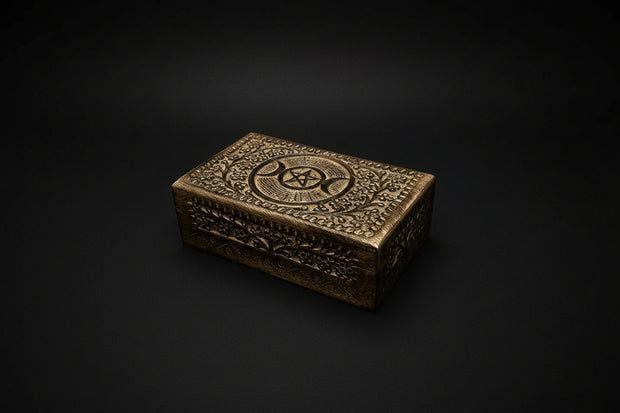
Decide whether the altar will remain visible or be packed away. Portable and private practices benefit from a box with internal separation for sharp, fragile, oily, and aromatic items.
- Let candles, charcoal, burners, and wax cool completely.
- Keep herbs, powders, and incense sealed and labeled.
- Separate oils from fabrics, paper, unfinished wood, and porous stone.
- Wrap fragile pieces so they do not strike one another.
- Do not trap residual moisture inside a closed chest.
- Store matches and lighters safely and separately when children are present.
Use How to Store Witchcraft Supplies to plan a longer-term system.
Signs a Kit Is Not a Good Choice
- The contents are not listed clearly.
- Materials and ingredients are unidentified.
- The listing promises guaranteed love, money, healing, protection, or supernatural results.
- It mixes unrelated traditions without explanation.
- It includes burnable materials but no safety guidance.
- The holder or vessel is decorative but presented for high heat.
- Most items duplicate tools you already own.
- The kit is built around an aesthetic you like but a practice you do not intend to use.
A Good Kit Creates Clarity
The value of a beginner altar kit is not the number of objects it delivers. Its value is whether it helps the user begin a coherent, safe, and adaptable practice.
Choose a purpose. Identify every item. Separate reusable tools from consumables. Remove anything unnecessary. Build in open space and safe clearance. Then let the altar grow through experience rather than trying to purchase a finished spiritual identity in one box.
Compare the Altar Sets collection, Curated Kits, and Altar Supplies according to the method you intend to practice. For a portable or private setup, browse Altar Boxes; for a defined working surface, see Altar Cloths.
Tools for this practice
Explore the products selected for this guide. Review each listing for what is included and how to use it.

Shop this guide · 3 items Collapse


Keep exploring the shop
You made it to the end of the guide. Keep exploring through related products, major departments, or the full catalog.


Leave a comment