


How to Choose a Deity Statue for Your Altar: Symbolism, Placement, and Devotional Practice

A deity statue can become one of the most visually powerful objects on an altar. It gives the eye a place to rest, helps define the altar's purpose, and may serve as a physical focus for prayer, offerings, meditation, remembrance, or devotional practice. Yet choosing one should involve more than selecting the figure that looks most dramatic on a shelf.
A statue is not automatically sacred because it depicts a god or goddess. Its meaning develops through the tradition it represents, the symbolism built into the image, the way it is used, and the relationship the practitioner builds with the practice surrounding it. This guide explains how to choose a deity statue thoughtfully, place it appropriately, and care for it with respect.
Do You Need a Deity Statue on an Altar?
No. A deity altar does not require a statue. Depending on the tradition, a practitioner might use a printed image, painted icon, candle, sacred symbol, natural object, written name, offering bowl, or no visual representation at all.
A statue is useful when you want a durable focal point that clearly identifies the altar's devotional center. It can also help organize a small sacred space by giving the surrounding candles, offerings, incense, and symbols a visual anchor. However, it should support the practice rather than replace research, prayer, ritual, or ethical engagement with the tradition.
For a broader overview of altar construction, begin with How to Build a Deity Altar.
Deity Statue, Sacred Image, or Decorative Figure?
The same physical object may function differently in different homes. One person may display a figure as art, another may use it as a symbolic reminder, and another may dedicate it as part of a devotional altar. The difference is not always visible from the outside.
Before choosing a statue, decide what role you expect it to serve:
- Devotional focus: A central image used during prayer, offerings, hymns, meditation, or regular observance.
- Ritual representation: A figure brought into specific ceremonies or seasonal rites.
- Symbolic reminder: An image representing particular virtues, myths, natural forces, or spiritual commitments.
- Educational display: A visual reference used while studying mythology, religion, or iconography.
- Decorative art: A figure appreciated primarily for its design or cultural subject matter.
There is nothing wrong with owning a statue as art. Problems arise when decorative interest is presented as spiritual authority, or when imagery is removed from its cultural and religious context without any effort to understand it.
Research the Deity Before Choosing the Statue
The most important step occurs before the purchase. Learn who the figure represents and how that deity appears within the relevant mythology or religious tradition. Read more than a short correspondence list. Look at primary myths when accessible, historical scholarship, living traditions, and the interpretations used by contemporary practitioners.
Questions worth investigating include:
- What culture and historical period does the deity come from?
- Which myths, roles, titles, and sacred places are associated with the figure?
- Which symbols traditionally identify the deity?
- Are there established forms of prayer, offerings, festivals, or taboos?
- Is the tradition open, initiatory, culturally specific, reconstructed, or continuously practiced?
- Does the modern statue accurately reflect traditional iconography, or is it primarily a fantasy interpretation?
Our Deity Correspondence Compendium can provide a starting structure, while Signs, Omens & Methods of Communication for Each Deity explores how communication is interpreted across devotional practice.
Choose by Iconography, Not Appearance Alone
Iconography is the visual language used to identify a sacred or mythological figure. Animals, tools, clothing, crowns, postures, plants, weapons, colors, and accompanying symbols can communicate specific myths or aspects of a deity.
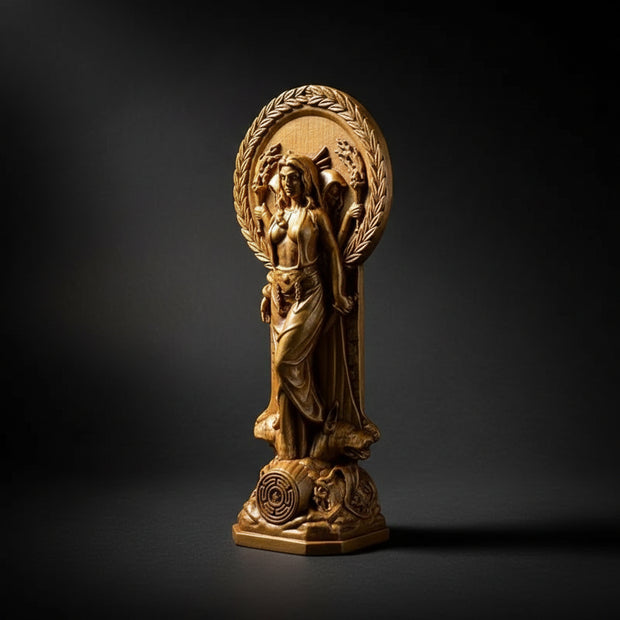
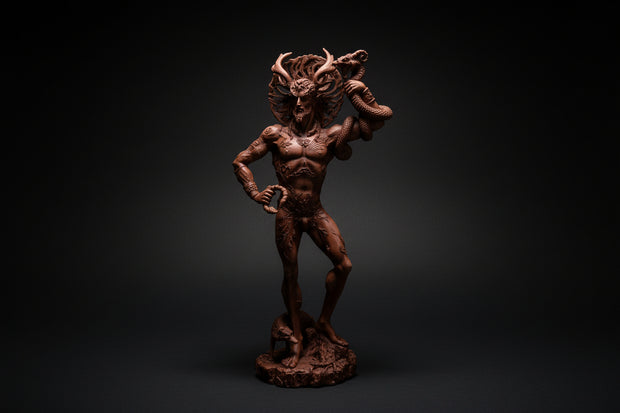
For example, a Hecate statue may emphasize torches, keys, dogs, serpents, or a triple-formed image connected with crossroads and liminal space. A Cernunnos statue may feature antlers, animals, a torc, or a serpent. An Anubis statue is identified through jackal imagery and funerary associations, while a Thoth statue may use the ibis form connected with writing, measurement, wisdom, and sacred knowledge.
If Hecate is the figure you are considering, read why Hecate is a liminal goddess for the meaning of her gates, crossroads, keys, and torches.
Study the symbols visible on a figure and ask whether they match the aspect of the deity you intend to honor. Two statues of the same deity can communicate very different themes. One may emphasize guardianship, another sovereignty, another healing, and another a specific mythic episode.
Consider Your Devotional Purpose
A useful statue should fit the actual practice you intend to maintain. Before choosing, define the altar's purpose in plain language. Is it meant for daily prayer, ancestral or household devotion, seasonal observance, study, protection, creative inspiration, healing, or contemplation?
A practitioner drawn to Brigid's associations with sacred flame, healing, poetry, and craft may choose a Brigid statue as the center of a devotional or creative workspace. Someone studying Norse myth and cultivating a formal devotional practice may select an Odin statue whose ravens and spear reinforce the figure's mythic identity. A Gaia statue may suit an altar centered on the living earth, household gratitude, or seasonal offerings.
The statue does not need to represent every possible association. It should communicate the particular relationship, myth, or sacred function that matters within the altar's purpose.
Choosing the Right Size
Size changes how a figure functions in the space.
Small Statues
Small figures work well for travel altars, discreet household shrines, shared living spaces, bookshelves, and altars with limited surface area. They leave room for an offering dish, candle, incense holder, and seasonal objects without overcrowding the altar.
Medium Statues
Medium figures usually provide the best balance for a permanent home altar. They are large enough for the iconography to remain visible but manageable enough to move for cleaning or seasonal rearrangement.
Large Statues
Large figures create an immediate visual center and work best where the statue can remain permanently supported. Measure the entire space before buying. Account for the figure's base, height, projecting arms or antlers, nearby shelves, and the safe clearance needed around candles and incense.
A statue should not dominate the altar so completely that offerings and ritual tools become unstable or unsafe. The right size is the one that supports the practice and fits the room, not necessarily the largest figure available.
Material Matters
Deity statues may be made from resin, stone, metal, wood, ceramic, plaster, or composite materials. Each has practical advantages and limitations.
- Resin: Allows detailed designs, remains relatively lightweight, and is common in modern devotional figures. Keep it away from direct flame and excessive heat.
- Stone: Durable and visually substantial, but heavy and capable of scratching furniture. Confirm that the altar can support the weight.
- Metal: Strong and long-lasting, though it may tarnish or become hot near candles.
- Wood: Warm and traditional in appearance but vulnerable to moisture, smoke buildup, flame, and some oils.
- Ceramic or plaster: Can hold fine detail but may chip or break easily, especially on crowded or frequently moved altars.
Never assume a statue is fireproof because it looks like stone or bronze. Many figures are painted resin or composite material. Candles, charcoal, incense, and heat-producing tools require separate fire-safe holders and adequate distance from the figure.
Where Should a Deity Statue Be Placed?
There is no single placement rule shared by every religion or Pagan tradition. When a historical or living tradition provides specific instructions, those instructions should take priority over generic altar advice.
In a personal household altar without a prescribed layout, the statue is often placed near the back or center so it remains visible while leaving working space in front. Other practical options include:
- Elevating the figure slightly on a stable riser
- Placing offerings directly in front without blocking access
- Keeping candles to the sides with generous heat clearance
- Positioning incense so smoke does not continually coat the statue
- Using a wall shelf when the altar surface is too crowded
Avoid unstable stacks, narrow ledges, direct sunlight that may fade paint, humid locations, and areas where pets or children can easily knock the figure down. A sacred object still needs sound physical support.
Should Different Deities Share One Altar?
Sometimes, but not automatically. Deities from the same household tradition, pantheon, mythic relationship, or established devotional system may be honored together. In other cases, separate spaces may be clearer and more respectful.
Before combining figures, consider:
- Whether the deities belong to the same tradition
- How they relate within surviving mythology
- Whether the associated rituals or offerings conflict
- Whether one figure is being reduced to a generic symbol for another
- Whether separate altars would allow more focused practice
Do not force unrelated gods into a single arrangement merely because the statues look attractive together. A mixed altar can be meaningful when it reflects a thoughtful personal practice, but it should not erase the identities and contexts of the figures represented.
Preparing a New Statue for the Altar
A new statue does not require an elaborate universal consecration. There is no single rite that applies to every deity or tradition. Begin with the practices appropriate to the path you are following.
A simple preparation may include:
- Inspect the statue for damage and remove packaging.
- Clean it gently according to the material.
- Prepare and clean the altar space.
- Place the figure deliberately rather than as an afterthought.
- Introduce the purpose of the altar through prayer, spoken intention, or a tradition-specific dedication.
- Offer water, incense, food, flowers, light, or another appropriate offering when the tradition supports it.
Consecration, dedication, and spirit-indwelling rites are not interchangeable concepts. Some traditions treat sacred images through formal ritual procedures, while others regard the statue as a symbolic focus. Avoid borrowing a ceremonial method from an unrelated culture simply because it sounds powerful.
Offerings and Daily Devotional Use
The statue can serve as the point toward which prayer, hymns, meditation, or offerings are directed, but offerings should be chosen according to research and practical safety.
Common altar offerings may include clean water, flowers, food, incense, candles, written prayers, devotional art, music, or acts of service. Not every offering is suitable for every deity, and not every household can safely use smoke or open flame.
Remove perishable offerings before they spoil. Use a separate bowl or plate rather than placing food or liquid directly on the statue. Oils, wine, smoke, wax, and herbs can permanently stain painted resin, porous stone, unfinished wood, or metal finishes.
How to Clean and Care for a Deity Statue
Regular care can itself become a devotional act, but cleaning should remain appropriate to the material.
- Use a soft, dry brush or microfiber cloth for routine dusting.
- Avoid soaking statues or using abrasive cleaners.
- Do not apply ritual oils directly unless the material and tradition clearly permit it.
- Use cotton swabs or a soft brush around detailed areas rather than forcing cloth into fragile features.
- Move the figure by supporting the base and body, not by gripping wings, staffs, horns, arms, or other projections.
- Keep the original packaging when possible for safe storage or transportation.
If the statue becomes chipped or damaged, decide whether repair, respectful retirement, or continued use fits your practice. A damaged figure is not automatically spiritually dangerous. Treat the situation with care rather than fear.
Common Mistakes to Avoid
- Buying before researching: Attractive imagery can be misleading or historically inaccurate.
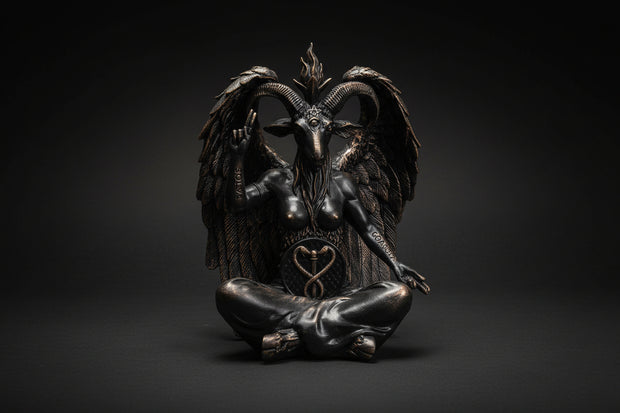
- Treating every horned figure as the same being: Similar visual features do not make different gods, spirits, or occult symbols interchangeable.
- Using generic correspondence lists as the entire practice: Correspondences are aids, not substitutes for mythology, history, or devotion.
- Placing candles too close: Heat can discolor, warp, ignite, or crack statues and nearby decorations.
- Overcrowding the altar: A cluttered altar can make offerings difficult and create serious fire hazards.
- Assuming ownership creates a relationship: Purchasing a statue does not prove divine selection, spiritual approval, or personal authority.
- Ignoring cultural context: Sacred images deserve more than aesthetic consumption.
Frequently Asked Questions
Does a deity statue need to be consecrated?
Not necessarily. Requirements differ by religion and tradition. Some paths use formal rites, some use a simple dedication, and others treat the statue as a symbolic image without consecration.
Can I own a statue without worshiping the deity?
Yes. Statues can be collected for artistic, historical, or educational reasons. Be honest about the role the figure has in your home and avoid presenting decorative ownership as religious expertise.
Can I use a printed image instead?
Yes. A print, painting, symbol, candle, or natural object can serve as an altar focus. The quality of a devotional practice is not determined by the price or size of its objects.
What should I do if a statue breaks?
First determine whether it can be repaired safely. Depending on your beliefs, you may repair it, continue using it, store it, or retire it respectfully. There is no universal rule that a broken statue brings misfortune.
Can I place the statue in a bedroom?
That depends on personal privacy, available space, and any tradition-specific guidance. The location should allow respectful use, physical stability, and safe handling of candles, incense, and offerings.
How do I know which deity statue is right for me?
Begin with study rather than signs. Identify the tradition you are exploring, learn the deity's myths and iconography, define the purpose of the altar, and choose a figure that accurately supports that practice. A strong emotional response can be meaningful, but it should be followed by research and discernment.
A Statue Should Deepen the Practice
The best deity statue is not simply the most elaborate one. It is the figure whose symbolism you understand, whose placement you can maintain safely, and whose presence supports a sincere and informed practice.
Choose slowly. Learn the imagery. Make room for offerings and regular care. Let the statue become part of a living devotional rhythm rather than another object placed on an overcrowded shelf.
Tools for this practice
Explore the products selected for this guide. Review each listing for what is included and how to use it.
Shop this guide · 3 items Collapse


Keep exploring the shop
You made it to the end of the guide. Keep exploring through related products, major departments, or the full catalog.


Leave a comment