


How to Clean Up After a Ritual: Wax, Ash, Salt, Herbs, Oils, and Offerings

Ritual cleanup is part of safe practice. Wax can damage finishes, ash can remain hot beneath a cool surface, salt can scratch or corrode, oils can stain or create a fire risk, and food offerings can attract pests. The safest method begins by identifying the residue and the material beneath it rather than using one universal cleaner.
Stop the Heat Before Cleaning
Extinguish candles, incense, and charcoal completely. Allow holders, bowls, metal tools, wax, and ash to cool before moving them. A charcoal disc can retain heat long after visible smoke stops.
- Keep children and pets away from the area.
- Ventilate when smoke or fragrance remains.
- Do not pour water onto hot glass, ceramic, wax, oil, or unknown incense residue.
- Use metal tongs for charcoal only after confirming the tool and surface can tolerate the heat.
If anything appears unstable, smoking, or unusually hot, treat fire safety as the priority rather than preserving the ritual arrangement.
Separate Materials Before Disposal
Create distinct groups:
- hot or potentially hot material;
- wax and candle remnants;
- ash and charcoal;
- dry herbs, salt, soil, and powders;
- oily cloths or absorbent material;
- food and liquid offerings;
- reusable tools;
- sharp glass, ceramic, or metal fragments.
Do not sweep everything into one container. Mixed residue can hide heat, contaminate reusable material, and make proper disposal difficult.
Remove Candle Wax Without Damaging the Surface
Let wax harden before lifting it. On many durable surfaces, a plastic scraper or card can remove the bulk without scratching. Do not use a metal blade unless the surface and technique are appropriate.
For fabric
Lift hardened wax gently. Test any heat-based blotting method on an inconspicuous area because heat can set dye, spread fragrance oil, or damage synthetic fibers. Launder according to the fabric label only after excess wax is removed.
For unfinished wood or porous stone
Wax and fragrance can penetrate. Avoid flooding the area with hot water or solvent. Blot fresh oil around the wax and consult material-specific care guidance when the object is valuable.
For candle holders
Identify glass, ceramic, metal, stone, resin, or wood before using heat, cold, water, or cleaners. Review How to Clean Ritual Tools by Material.
Handle Ash and Charcoal as Fire Material
Confirm ash is fully cold. Move it with a metal scoop into a noncombustible container when there is any doubt. Avoid blowing or dry-brushing fine ash into the air.
Charcoal used with resin may contain sticky deposits and partially burned material. Do not place it in paper, plastic, compost, or outdoor vegetation while warmth remains. Read How to Store Incense, Resins, Powders, and Charcoal Safely.
Clean Salt, Soil, and Powders Dry First
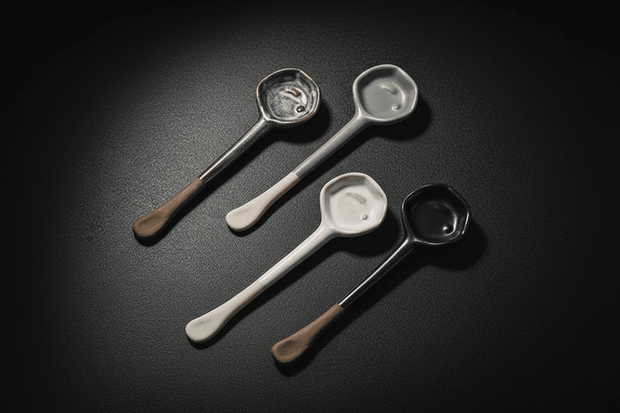
Salt and mineral powders can scratch polished surfaces and attract moisture. Lift large amounts with a spoon or folded card, then use a soft brush or suitable vacuum attachment. Adding water immediately can dissolve salt and carry it into seams, wood grain, metal fittings, or porous stone.
Unknown powders should not be handled with bare hands or dispersed into the air. Keep product labels so ingredients can be identified.
Collect Herbs, Resins, and Plant Material
Dry herbs can remain flammable after a ritual, particularly when mixed with wax, oil, or charcoal. Allow them to cool and separate them from reusable herbs. Materials placed on the floor or altar should not be returned to their original storage container.
Check crevices beneath cloths and burners. Plant matter left behind can attract insects or retain moisture.
Blot Ritual Oils Instead of Spreading Them
Use absorbent material to blot a spill from the outside toward the center. Do not immediately rub the oil across a larger area. Follow with a cleaner appropriate to the surface.
- Keep oily cloths away from flame and heat.
- Do not place unknown essential-oil mixtures on skin while cleaning.
- Wash hands after contact.
- Keep ingredient and exposure warnings with the bottle.
- Check underneath altar cloths, boxes, and statues for hidden oil.
Review How to Label and Store Ritual Oils.
Remove Water, Libations, and Liquid Offerings Promptly
Standing liquid can damage wood, metal, paper, decks, cloth, and porous objects. Blot spills, dry the surface, and inspect nearby items. Do not consume a liquid that has been exposed to candle soot, incense ash, nonfood-safe vessels, coins, crystals, oils, or unknown residue.
Handle Food Offerings as Food Waste
Remove perishable offerings before they spoil or attract pests. Separate ordinary food-safe dishes from bowls that have held charcoal, incense, oils, pigments, or nonfood substances.
Outdoor disposal is not automatically respectful or safe. Consider wildlife, pets, local rules, packaging, salt, chocolate, alcohol, onions, oils, and other ingredients that can harm animals or the environment.
Clean Burners, Bowls, and Tools According to Use
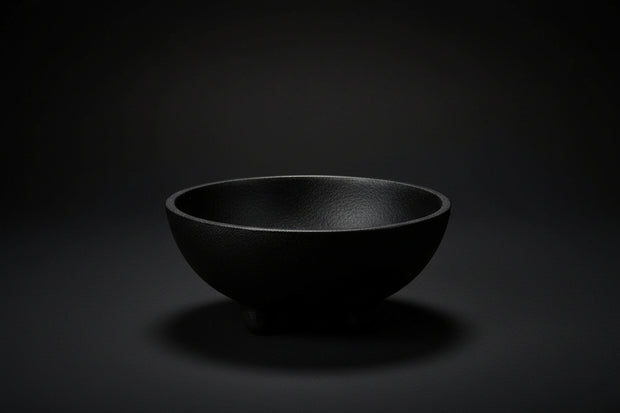
A vessel used for resin, charcoal, wax, or ritual oil should not return to food use simply because it looks clean. Keep nonfood tools clearly separated.
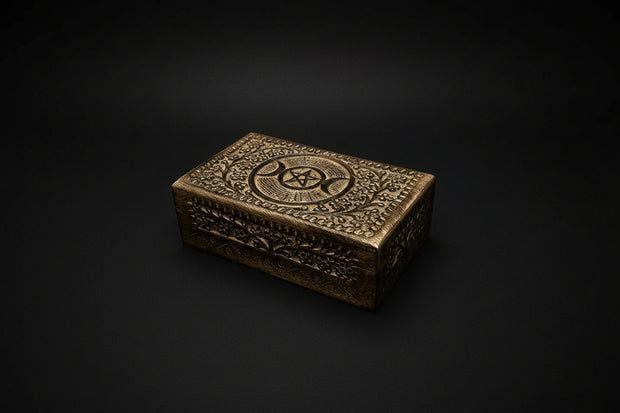
Browse Candle Accessories, Incense Burners, and Altar Supplies when choosing items designed for the intended material and heat level.
Reset the Space in a Safe Order
- Extinguish and cool all heat sources.
- Remove food and liquids.
- Contain ash, charcoal, and sharp fragments.
- Lift wax and dry powders.
- Blot oils and moisture.
- Clean reusable tools by material.
- Launder or store cloths only when fully dry.
- Return labeled supplies to secure storage.
- Check the floor, furniture edges, and pet-accessible areas.
Decide What Should Be Reused, Stored, or Disposed
Physical safety and local waste rules should guide the decision. Symbolic preferences can shape how you mark the end of a working, but they do not make hot charcoal safe for soil or contaminated food safe for wildlife.
Read Proper Disposal of Ritual Remnants for a fuller treatment of disposal choices, and How to Store Ritual Candles before putting partially burned candles away.
Frequently Asked Questions
Can I wash ash down the sink?
Avoid sending large amounts of ash, resin, wax, herbs, or charcoal into plumbing. Allow material to cool, contain it, and follow local disposal guidance.
Can candle wax be reused?
Clean uncontaminated wax may be reusable for craft or ritual purposes. Wax mixed with ash, hair, glass, herbs, unknown oils, or debris should be evaluated more cautiously.
How long should charcoal cool?
There is no single time for every disc and burner. Treat it as hot until it is cold throughout, not merely cool on the surface.
Can ritual bowls return to kitchen use?
Not when they have held nonfood-safe materials such as charcoal, incense, pigments, oils, or unknown minerals. Keep food and nonfood vessels separate.
Should I bury ritual remnants?
Only when the material is environmentally appropriate, burial is permitted, and wildlife, pets, water, and future land use will not be harmed.
What if oil soaked into wood?
Blot immediately and avoid aggressive solvents that may spread damage. Valuable furniture or objects may require a restoration professional.
Cleanup Protects the Practice
A ritual is not finished while fire, residue, food, sharp fragments, or unstable tools remain unattended. Cooling, separating, cleaning, documenting, and storing the materials preserves both the space and the objects used within it.
Tools for this practice
Explore the products selected for this guide. Review each listing for what is included and how to use it.
Shop this guide · 4 items Collapse


Keep exploring the shop
You made it to the end of the guide. Keep exploring through related products, major departments, or the full catalog.
 RELATED TO THIS GUIDE
Ritual Supplies & Altar Tools
Shop this topic
RELATED TO THIS GUIDE
Ritual Supplies & Altar Tools
Shop this topic


Leave a comment