


How to Clean Ritual Tools by Material: Water, Salt, Smoke, Oils, and Safe Care

Ritual tools are often cleaned with one universal instruction: rinse them, bury them in salt, pass them through smoke, place them in sunlight, or rub them with oil. Those methods may carry symbolic meaning, but none is physically safe for every object.
A ritual tool can combine stone, metal, wood, paint, glue, fabric, plating, resin, shell, glass, wax, and paper. Cleaning should begin with what the object is made from, what is on it, and what the manufacturer or maker intended—not with a correspondence chart.
Separate Four Different Tasks
People often use the word “cleanse” for several unrelated actions.
- Dusting: removing loose dirt, ash, fibers, and surface debris.
- Cleaning: removing oil, wax, soot, fingerprints, residue, or stains.
- Sanitizing or disinfecting: reducing microorganisms with a method suitable for the surface and situation.
- Ritual cleansing: a symbolic or religious action intended to mark transition, preparation, or release.
A bell rung over a dirty offering bowl does not remove spoiled food. Washing a tool does not perform a religious rite unless your practice treats it that way. Name the task before choosing the method.
Identify the Entire Object
Record every visible component:
- base material;
- plating, glaze, paint, dye, varnish, wax, or sealant;
- adhesive, wire, thread, leather, or elastic;
- repairs and cracks;
- porous and nonporous surfaces;
- food-contact, skin-contact, heat, or water rating;
- antique, handmade, collectible, or replaceable status;
- known cleaning instructions.
An amethyst spoon may include a metal bowl, plated finish, adhesive, and crystal cluster. A wooden box may have felt lining and metal hinges. The most vulnerable component usually determines the safest method.
Start With the Least Invasive Method
- Photograph the object and note existing damage.
- Remove loose contents.
- Use a dry soft brush or lint-free cloth.
- Test any further method on a hidden area.
- Use minimal moisture or product.
- Stop if color, coating, texture, or stability changes.
- Dry completely before storage.
- Document what was used.
Do not escalate from dusting to soaking simply because the first pass did not make an old object look new.
Water Is Not Universal
Water can dissolve, swell, stain, rust, delaminate, soften, or carry residue deeper into a material. Avoid casual rinsing when an object includes:
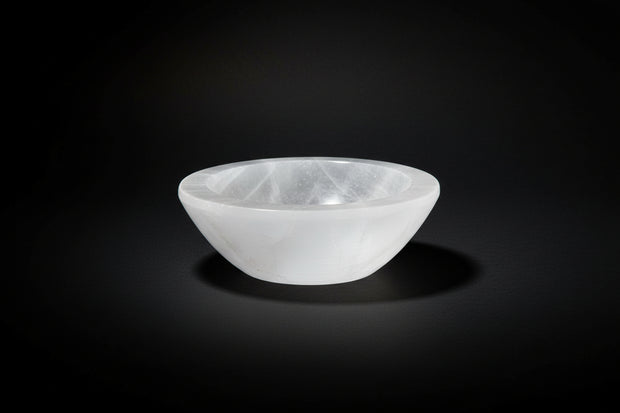
- selenite, gypsum, halite, or another water-sensitive mineral;
- porous or unfinished wood;
- paper, cardboard, pressed botanicals, or books;
- glue, felt, elastic, or unknown adhesive;
- paint, dye, antiquing, or unstable glaze;
- iron, steel, or reactive metal;
- leather, bone, horn, shell, or organic material with unknown finish;
- electrical lights or batteries.
Even water-safe objects need prompt drying, especially around seams and handles.
Salt Is Abrasive and Corrosive
Dry salt can scratch polished surfaces. Damp salt accelerates corrosion and enters cracks, threads, and porous materials. Salt also attracts moisture in some conditions.
Do not place metal, soft stone, plated objects, glued jewelry, wood, leather, shells, or painted tools directly in salt. If salt carries ritual meaning, keep it in a separate bowl near the object or use a written or spoken symbol instead.
Smoke Leaves Physical Residue
Incense and smoke-cleansing materials deposit soot, oils, fragrance, and fine particles. Smoke can darken cloth, paper, stone, walls, and metal while affecting people, animals, and alarms.
Smoke is not a physical cleaning method. Use it only as an optional symbolic action where ventilation, consent, material care, and health conditions permit. See Smoke-Free and Flame-Free Witchcraft for alternatives.
Oils Can Permanently Change a Tool
Oil may darken wood and stone, soften wax, collect dust, become rancid, stain fabric, loosen adhesive, and make handles slippery. Do not “feed” every tool with ritual oil.
Use oil only when:
- the material or maker calls for that specific product;
- the oil’s ingredients are known;
- the surface is clean and dry;
- the object is not intended for food unless the finish is food-safe;
- excess can be removed;
- the treatment is documented.
Store oils separately using How to Label and Store Ritual Oils.
Glass
Plain intact glass is generally nonporous, but decoration, paint, foil, labels, and rapid temperature changes require care.
- Check for chips and hairline cracks before washing.
- Use mild cleaning appropriate to the contents.
- Avoid thermal shock.
- Do not scrape painted or gilded designs.
- Do not continue heating cracked glass.
- Allow narrow bottles to dry fully before closing.
Antique and iridescent glass may need conservation guidance.
Glazed and Unglazed Ceramic
Intact modern glaze is easier to clean than unglazed clay. Cracks and crazing allow moisture and residue beneath the surface.
- Inspect rims and bases for chips.
- Avoid soaking repaired or crazed pieces.
- Do not assume decorative ceramic is food-safe or heat-safe.
- Keep abrasive salt and metal scrapers away from glaze.
- Retire cracked candle holders and heat vessels.
Stainless Steel, Brass, Copper, and Plated Metal
Metals differ in reactivity and finish.
- Stainless steel: usually tolerates gentle cleaning but can scratch and retain residue at seams.
- Brass and copper: tarnish naturally and react with acids, salt, moisture, and some oils.
- Iron and steel: can rust; dry promptly and follow appropriate maintenance.
- Plated metal: aggressive polishing can remove the thin surface layer.
Do not use a metal polish without knowing the alloy, plating, antiquing, and intended contact use. Patina is not automatically dirt.
Cast Iron
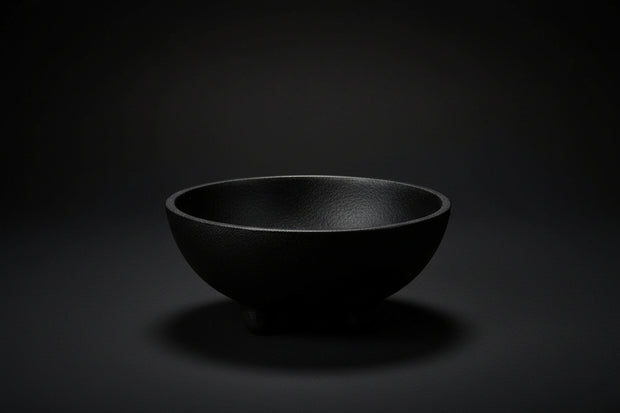
Cast-iron cauldrons and bowls require complete cooling, dry cleaning of ash, careful moisture control, and maintenance appropriate to their coating or seasoning.
- Never pour cold water into hot iron.
- Remove ash only when completely cool.
- Do not soak.
- Dry immediately after compatible washing.
- Check for rust, cracks, flaking coating, and unstable feet.
- Keep food use separate from incense or ritual-chemical use.
A cast-iron incense burner that has held charcoal and resin should remain nonfood.
Wood
Wood absorbs moisture, oil, smoke, dye, and fragrance.
- Dust with a soft dry brush.
- Use minimal moisture only when the finish permits.
- Do not soak or leave wet.
- Keep away from high heat and direct sun while drying.
- Inspect joints for swelling, splitting, mold, and loose glue.
- Use wood conditioner only when suitable for that finish and purpose.
Unfinished altar boxes should contain oils, herbs, and wax in separate inner containers.
Stone and Crystal
Minerals vary in hardness, toughness, cleavage, porosity, solubility, coatings, and inclusions. Appearance is not enough to choose a method.
- Start with a dry cloth or soft brush.
- Keep selenite and gypsum dry.
- Avoid salt on polished or soft stone.
- Do not expose dyed, coated, glued, or assembled pieces to solvents.
- Avoid ultrasonic and steam cleaning unless a qualified source approves the exact specimen and setting.
- Protect points and cleavage planes from impact.
Use Crystal Hardness vs. Toughness vs. Cleavage and How to Clean, Store, and Display Mineral Specimens for deeper care.
Shell, Bone, Horn, Antler, and Other Organic Materials
Organic materials can be porous, brittle, sensitive to humidity, and affected by cultural or wildlife-law context.
- Confirm lawful and ethical provenance.
- Use dry gentle cleaning first.
- Avoid soaking, bleach, harsh disinfectants, and high heat.
- Watch for insects, mold, cracking, and flaking.
- Consult a conservator for antique, archaeological, culturally important, or irreplaceable pieces.
Do not treat a natural object as disposable simply because it is used ritually.
Fabric and Altar Cloths
Check fiber content, dye stability, embroidery, fringe, metallic thread, printing, and attached charms.
- Shake or vacuum gently through a screen where appropriate.
- Spot-test colorfastness.
- Follow the maker’s washing instructions.
- Do not wash cloths with loose wax, oil, ash, herbs, or pins attached.
- Remove wax using a method suitable to the exact fiber and dye.
- Dry fully before folding to prevent mildew.
Separate ritual symbolism from textile care.
Paper, Cards, Books, and Petition Records
Water, oils, smoke, sunlight, and salt damage paper.
- Use a dry soft brush for loose dust.
- Keep hands clean and dry.
- Do not spray cleaners or fragrances.
- Store flat or upright with support.
- Separate acidic, oily, or waxed papers.
- Protect private names and records during cleaning and disposal.
For decks, review How to Store and Care for Tarot and Oracle Decks.
Candle Wax and Soot
Allow wax and holders to cool fully. Do not use a blade that scratches the surface or pushes against fragile glass.
- Remove loose cooled wax gently.
- Identify the holder material.
- Use temperature changes only when safe for that material.
- Clean soot with a compatible method.
- inspect for cracks and heat damage.
- retire any holder that no longer supports the candle safely.
See How to Choose a Ritual Candle Holder.
Mold, Bodily Material, and Unknown Contamination
Do not rely on ritual cleansing where a biological or chemical hazard may exist.
- Isolate the object.
- Keep people and pets away.
- Use appropriate protective equipment and ventilation.
- Do not brush mold spores through the room.
- Do not mix cleaning chemicals.
- Seek qualified guidance for valuable porous objects.
- Discard inexpensive contaminated items when safe decontamination is uncertain.
Objects used with blood, saliva, shared drinking, skin puncture, illness, or unknown powders require standards beyond ordinary altar care.
Keep Food and Nonfood Tools Separate
A bowl, spoon, knife, mortar, chalice, or cauldron that has held incense ash, charcoal, ritual oils, unknown herbs, dirt, wax, pigments, or nonfood substances should not return to kitchen service. Physical cleaning does not always restore food safety, and ritual cleansing does not address it at all.
Create a Care Record
For valuable or frequently used tools, note:
- object and materials;
- maker and date;
- condition before cleaning;
- residue removed;
- products and methods used;
- test area result;
- condition after cleaning;
- repairs needed;
- food, skin, flame, or water restrictions;
- next inspection date.
This prevents repeated experiments and preserves provenance.
Choose Tools With Care Instructions You Can Follow
Browse Altar Supplies after deciding how an object will be used and maintained. The Cast Iron Incense Burner and Offering Bowl, White Selenite Bowl, and Amethyst Cluster Crystal Spoon require different care despite all appearing in ritual settings. Cast iron needs moisture control, selenite should remain dry, and assembled decorative tools need protection for every component.
Use Storage & Chests only after objects are clean and completely dry.
Frequently Asked Questions
Can every ritual tool be rinsed in water?
No. Water damages many minerals, metals, woods, papers, adhesives, finishes, and assembled objects.
Does moonlight physically clean an object?
No. Moonlight may have symbolic value in a practice, but it does not remove dirt, oil, mold, soot, or contamination.
Can salt cleanse metal tools?
Salt can scratch and corrode metal, especially when moisture is present. Keep symbolic salt separate.
Should old patina be polished away?
Not automatically. Patina may be stable, intentional, or historically valuable. Identify the object before polishing.
Can I sanitize a tarot deck?
Paper cards cannot tolerate many disinfectants. Prevent contamination through clean hands, individual use, and protected storage rather than spraying the deck.
What if I do not know the material?
Use dry gentle dusting only, quarantine the object if contaminated, and seek identification before applying water, oil, salt, heat, or chemicals.
Material Knowledge Is Part of Ritual Care
Identify the object, name the actual cleaning task, begin with the least invasive method, and separate symbolic cleansing from physical care. A tool is not respected by exposing it to a traditional-looking method that damages what it is made from.
Tools for this practice
Explore the products selected for this guide. Review each listing for what is included and how to use it.
Shop this guide · 2 items Collapse


Keep exploring the shop
You made it to the end of the guide. Keep exploring through related products, major departments, or the full catalog.
 RELATED TO THIS GUIDE
Candles & Incense
Shop this topic
RELATED TO THIS GUIDE
Candles & Incense
Shop this topic


Leave a comment