


How to Set Up a Wiccan Altar: Tools, Layout & Safe Practice

A Wiccan altar is a ritual working surface shaped by the practitioner’s tradition, theology, circle practice, and seasonal observance. What makes it specifically Wiccan is not the number of objects on it, but how the space supports Wiccan ritual structure: the elements, sacred space, deity or divine polarity where applicable, and the Wheel of the Year.
Wicca includes initiatory traditions, eclectic practice, solitary paths, duotheistic, polytheistic, pantheistic, and other interpretations. No single diagram applies to every practitioner.
What Makes an Altar Wiccan?
- Ritual function: The surface supports circle casting, seasonal rites, devotion, meditation, or magical work.
- Elemental relationship: Earth, air, fire, water, and spirit may be represented through tools, symbols, or actions.
- Tradition: The placement and meaning of tools follow a specific lineage, book, coven, or clearly identified personal system.
- Seasonal practice: The altar may change with sabbats, esbats, local ecology, and the practitioner’s calendar.
- Ethical responsibility: Consent, safety, accurate sourcing, and care for shared space remain part of the practice.
For the religion’s basic beliefs and diversity, begin with Wicca 101.
Elemental Correspondences and Direction
A common modern arrangement places earth in the north, air in the east, fire in the south, and water in the west, with spirit at the center. This is influential but not universal. Traditions may use different directions, tools, colors, or local ecological associations.
- North or earth: Pentacle, stone, salt, soil, or a seasonal natural object
- East or air: Wand, incense when safe, bell, feather, or written invocation
- South or fire: Candle, lamp, or another safe light source
- West or water: Chalice, bowl of water, shell, or blue symbolic object
- Center or spirit: Working space, Book of Shadows, deity symbol, or the practitioner’s focus
Use the correspondence system consistently enough to learn it, but adapt placement when the room, fire clearance, mobility, pets, or household rules require a safer arrangement.
Wiccan Tools and Their Ritual Roles
Pentacle
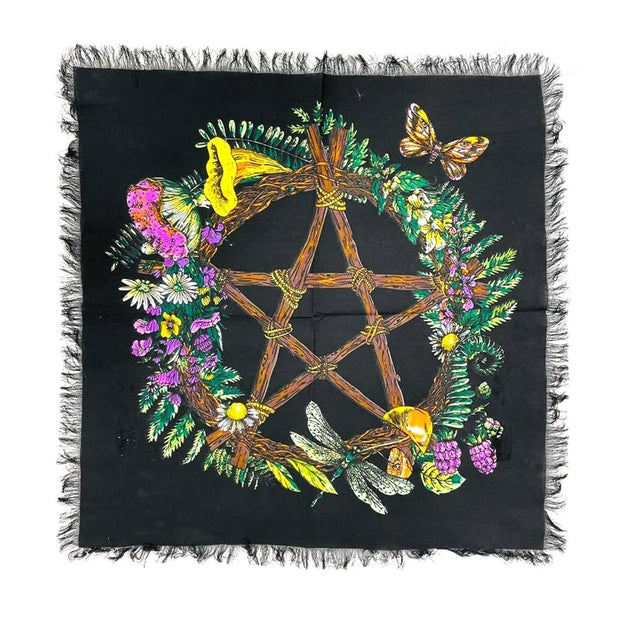
A pentacle commonly represents earth, manifestation, protection, or the elements held in relationship. A wood pentacle altar tile can mark the earth position or central working space. Keep heat, oil, and liquid away from finished wood.
Chalice
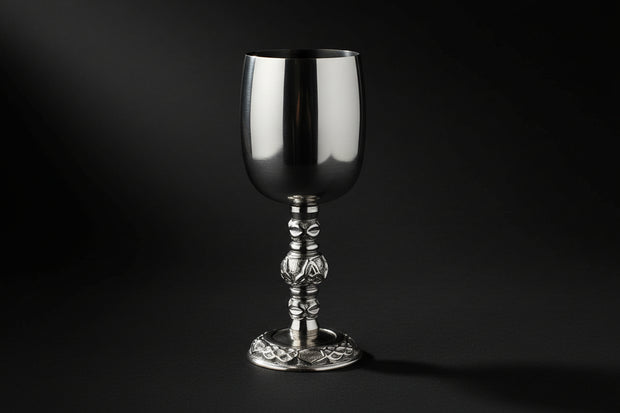
The chalice commonly corresponds to water and may hold an appropriate ritual drink or symbolic water. A pentacle-engraved stainless steel chalice is durable, but the vessel must be cleaned and used according to its care and food-safety directions.
Athame and Wand
Some Wiccan traditions use an athame to direct ritual attention and a wand for invocation, blessing, or elemental work. Meanings differ by lineage. Neither tool is required for a beginner, and a ritual blade must be stored and handled as a real object.
Bell
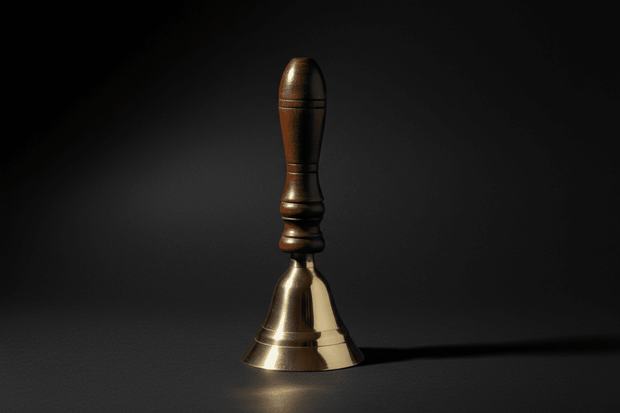
A pentacle altar bell can mark openings, closings, invocations, or transitions. A silent gesture is an appropriate alternative where sound would disturb others.
Altar Cloth
A Celestial Sun altar cloth can define the surface, but fabric is optional. Keep every cloth away from candles, incense, hot vessels, and dripping wax.
Book of Shadows
A Book of Shadows may contain ritual outlines, correspondences, personal observations, and material received through a tradition. Separate historical claims from personal experience and cite sources where possible.
Three Wiccan Altar Layouts
Elemental Working Altar
Place one symbol at each directional position, leave the center clear, and keep fire and smoke tools where they can be supervised. This layout supports circle work and elemental ritual. Review How to Cast a Wiccan Circle before assigning tools to quarters.
Devotional Altar
Use one or more deity symbols only where they belong in the practitioner’s theology. Not every Wiccan honors a god-and-goddess pair, and figurative statues are not mandatory. Keep offerings easy to remove and avoid placing liquids beside irreplaceable images.
Seasonal Altar
Use colors, artwork, locally appropriate plants, or food connected to the current observance. Label modern inventions as modern and do not collect protected plants. The Wheel of the Year guide introduces the eight commonly observed sabbats.
A Wicca-Specific Setup Process
- Choose the ritual function before selecting tools.
- Identify the correspondence system or tradition being followed.
- Place only the elemental and devotional symbols needed for that rite.
- Confirm fire clearance, tool stability, and comfortable reach.
- Keep the center open for the actual ritual action.
- Consecrate tools only when that practice belongs in the chosen system; see Consecrating Ritual Tools in Wicca.
- Record the layout and revise it after use.
Safety and Care
- Never leave candles, incense, or charcoal unattended.
- Keep fabric, paper, herbs, hair, and sleeves away from heat.
- Use LED light when flame or smoke is prohibited or unsuitable.
- Clean vessels before residue spoils and store blades securely.
- Respect leases, smoke alarms, shared-space boundaries, and accessibility needs.
- Do not treat dreams, candle movement, or strong emotion as unquestionable divine commands.
Frequently Asked Questions
Must a Wiccan altar face north?
No. North is common for earth-oriented layouts, but traditions and practical rooms vary. Safety and accessibility take priority.
Do I need both a god and goddess statue?
No. Wiccan theology is diverse, and figurative deity images are optional.
Is an athame required?
No. A gesture, wand, or another symbolic method can direct attention without a blade.
Can the altar be temporary?
Yes. A tray, cabinet, box, or setup assembled only for ritual can still follow a Wiccan structure.
Related Reading
Tools for this practice
Explore the products selected for this guide. Review each listing for what is included and how to use it.

Shop this guide · 4 items Collapse


Keep exploring the shop
You made it to the end of the guide. Keep exploring through related products, major departments, or the full catalog.
 RELATED TO THIS GUIDE
Ritual Supplies & Altar Tools
Shop this topic
RELATED TO THIS GUIDE
Ritual Supplies & Altar Tools
Shop this topic


Leave a comment