


How to Consecrate Ritual Tools in Wicca: Cleansing, Dedication, and Safe Practice

Consecrating a ritual tool is the act of setting it apart for a deliberate sacred purpose. In Wicca, a practitioner may consecrate an athame, wand, chalice, pentacle, cauldron, besom, candle holder, altar cloth, journal, or another object used regularly in ritual.
The process does not need to be dramatic, expensive, or physically harsh. A tool does not become more sacred because it has been buried, soaked in saltwater, coated with oil, exposed to heavy smoke, or passed close to flame. Those methods can damage materials and create avoidable risks. A useful consecration should clarify the tool’s purpose while respecting its physical construction, the practitioner’s tradition, and the household where it will be stored.
This guide explains the difference between cleaning, cleansing, dedication, and consecration; offers material-safe methods; and provides a simple solitary rite that can be adapted without pretending that one formula applies to every Wiccan tradition.
What Does Consecration Mean in Wicca?
Consecration means formally assigning something to sacred or ritual use. Within Wiccan practice, it may include purification, blessing, elemental symbolism, prayer, invocation, anointing, naming the tool’s function, and placing it into service.
Different Wiccan traditions approach this differently. An initiatory coven may preserve a specific ceremony, wording, sequence, or tool requirement. A solitary or eclectic Wiccan may use a simpler rite based on the elements, deity, personal ethics, or the intended purpose of the object.
Consecration is a religious and magical practice rather than a scientifically measurable transformation. The ritual may change the practitioner’s relationship with the object, create a clear mental boundary between ordinary and sacred use, and establish expectations for how the tool will be handled. It does not change the material’s physical properties.
Readers new to the religion can begin with Wicca 101: Introduction to Wiccan Beliefs and Rituals before adapting a consecration rite.
Cleaning, Cleansing, Dedication, and Consecration
These words are often used interchangeably, but separating them creates a clearer and safer process.
Physical cleaning
Physical cleaning removes dust, residue, packaging material, fingerprints, corrosion, wax, dirt, or other substances. It should follow the manufacturer’s directions and the needs of the material. Prayer, moonlight, smoke, and visualization do not remove physical contamination.
Ritual cleansing
Ritual cleansing symbolically prepares the object for sacred use. A practitioner might use sound, breath, prayer, light, visualization, a spoken blessing, or a carefully selected elemental gesture. Cleansing does not need to involve smoke, water, salt, or flame.
Dedication
Dedication states what the tool is for. A practitioner may dedicate a cup to libations, a wand to invocation, a journal to ritual records, or a besom to preparing sacred space. Clear purpose is more important than ornate wording.
Consecration
Consecration brings the preparation together into a formal act. It may include cleansing and dedication, but it usually also marks the object as part of an ongoing religious or magical practice.
Do Wiccan Tools Have to Be Consecrated?
No universal rule requires every Wiccan to consecrate every tool. Some traditions consider formal consecration important. Other practitioners dedicate tools informally, begin using them immediately, or treat responsible repeated use as the process through which sacred meaning develops.
A temporary tool does not need an elaborate ceremony. An ordinary bowl used once during a seasonal rite can be cleaned, assigned a purpose, used respectfully, and returned to household use when appropriate. A blade, chalice, or pentacle reserved permanently for ritual may benefit from a more deliberate boundary.
Tools are also optional. A practitioner can cast a circle, pray, meditate, celebrate a Sabbat, or perform devotional work with minimal equipment. Consecration should support practice rather than create the belief that ritual cannot begin until every object has been purchased and formally prepared.
Begin With the Tool’s Purpose
Before choosing a method, write one sentence explaining what the object will do. Examples include:
- “This athame will direct ritual attention and define sacred space.”
- “This chalice will hold non-ingested water and libations.”
- “This wand will be used for invocation and blessing.”
- “This journal will preserve rituals, sources, observations, and revisions.”
- “This besom will prepare and close my working area.”
The purpose determines what substances the tool may contact, where it should be stored, and whether it can safely serve more than one role. An object used with ritual oil, ash, incense, unidentified herbs, or non-food-safe materials should not later return to food preparation or drinking.
Choose Methods That Fit the Material
Many popular cleansing instructions ignore how easily ritual tools can be damaged. Select the safest method for the actual object rather than forcing every tool through the same four-element procedure.
Metal tools
Metal athames, chalices, bells, and pentacles may rust, tarnish, stain, or react with salt, water, acids, oils, and smoke residue. Clean them according to the specific metal and finish. A dry cloth, sound, spoken blessing, and symbolic presentation to the elements are often safer than direct contact.
Blades should remain controlled and pointed away from the body. Consecration does not require touching the edge, drawing blood, heating the blade, or passing it through flame. For more context, read What Is an Athame?.
Wooden tools
Wands, staffs, wooden pentacles, and carved objects can swell, split, stain, or lose their finish when soaked or heavily oiled. Dust gently and follow the maker’s care instructions. Use breath, sound, prayer, indirect moonlight, or a dry elemental rite rather than saltwater immersion.
Stone and mineral tools
Minerals differ significantly. Some dissolve, flake, fade, rust, release residue, or fracture under water, salt, sunlight, heat, or rapid temperature change. Do not assume a stone is safe because it appears hard or polished.
Use a soft dry cloth and a non-contact ritual method unless the exact mineral and treatment are known. The store’s guide to cleansing and charging crystals in Wicca explains why sensitive stones require individual care.
Ceramic and glass
Inspect ceramic and glass for cracks, chips, unstable stems, damaged glaze, and sharp edges. Avoid sudden temperature changes. Decorative vessels are not automatically food-safe, even after cleansing or consecration.
Cloth, cord, and paper
Altar cloths, cords, tarot wraps, and journals can be damaged by smoke, wax, oil, water, and flame. Launder or dust only as appropriate. A hand placed above the item, a spoken intention, sound, or symbolic elemental gesture can complete the rite without staining it.
Candles and consumable tools
A candle can be dedicated before use, but it does not need to be coated in oil or rolled in herbs. Excess oil, dried plants, glitter, paper, and stones near a wick increase fire risk. A plain candle or LED light can be consecrated through words and purpose alone.
Safe Elemental Methods
Many Wiccan consecrations acknowledge Earth, Air, Fire, and Water. Direct physical contact is optional. The elements can be represented symbolically.
- Earth: Place the tool beside a stone, bowl of clean dry soil, or pentacle rather than burying it or covering it in salt.
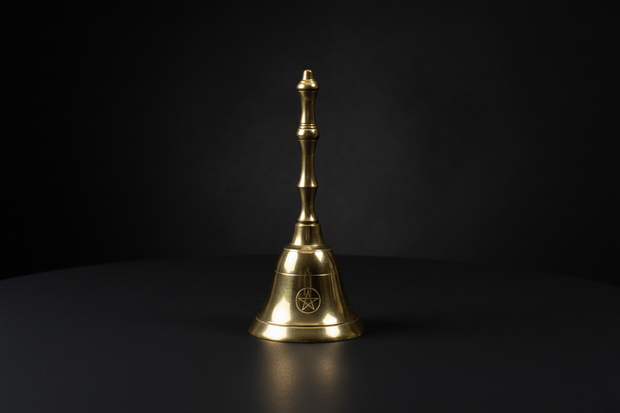
- Air: Use a bell, breath directed safely above the object, a fan, or spoken words rather than smoke.
- Fire: Place the tool near an LED candle or at a safe distance from a supervised flame. Do not heat the tool.
- Water: Place a covered bowl of water nearby or trace a water symbol in the air rather than wetting the object.
These correspondences are ritual conventions. They do not physically purify, sterilize, or repair an object.
For a deeper explanation of elemental symbolism, read The Four Elements in Wiccan Practice.
A Simple Solitary Tool Consecration
This rite can be adapted for a tool that has already been physically cleaned and inspected. Remove any step that conflicts with your tradition, health, housing rules, or the object’s material.
What you need
- The clean tool
- A stable working surface
- A journal or written purpose statement
- Optional symbolic representations of Earth, Air, Fire, and Water
- An LED candle or safely supervised candle
1. Prepare the area
Clear clutter, remove physical hazards, and place the tool where it cannot fall. Secure blades, fragile objects, liquids, and flame appropriately. Keep children and animals outside the working area.
2. Open the rite
Take several steady breaths. You may cast a circle, offer a brief prayer, ring a bell, or simply state that the work has begun. A full circle is optional. Practitioners who use one can follow the structure in How to Cast a Wiccan Circle.
3. State the object’s ordinary reality
Name what the tool physically is and acknowledge its limits. For example: “This is a steel ritual blade. It can rust, cut, and require secure storage.” This keeps spiritual meaning connected to responsible material care.
4. Cleanse symbolically
Ring a bell, pass your hand above the tool, use a brief visualization, or say:
I release from this tool the purposes and expectations that do not belong to the work before me.
5. Acknowledge the elements
Present the tool toward each symbolic element without forcing direct contact:
- “By Earth, may this tool be stable and responsibly maintained.”
- “By Air, may its purpose remain clear.”
- “By Fire, may it support focused will without careless harm.”
- “By Water, may it serve with adaptability and respect.”
Elemental wording can be changed to match your tradition.
6. Dedicate the tool
State exactly how the object will be used and any boundary that belongs with it:
I set apart this tool for deliberate ritual practice. May it serve its named purpose with clarity, restraint, and care. It will not be used to threaten, deceive, contaminate, or cause careless harm.
7. Invite blessing if appropriate
If your practice includes deities, ancestors, guardians, or sacred powers, offer a respectful prayer consistent with that relationship. Do not assume that every Wiccan invokes the same gods or uses the same divine names.
8. Put the tool into service
Use the object once in a simple, low-risk action. Trace a small boundary with a wand, ring the bell, write the first journal entry, place the pentacle on the altar, or use the besom to make one symbolic sweep. Consecration becomes practical when the tool begins performing its assigned role.
9. Close and record
Thank any powers addressed, close the circle if one was cast, extinguish flame, and store the tool safely. Record the date, method, purpose, and care restrictions. Our guide to Books of Shadows and grimoires explains how to organize a working ritual record.
Consecrating Common Wiccan Tools
Athame
Emphasize focused will, boundaries, safe direction, and nonviolent use. A sharp edge is unnecessary for most symbolic functions. Store the blade securely after the rite.
Wand
Dedicate the wand to invocation, blessing, directing attention, or another clearly defined role. Avoid soaking wood or attaching loose flammable decorations.
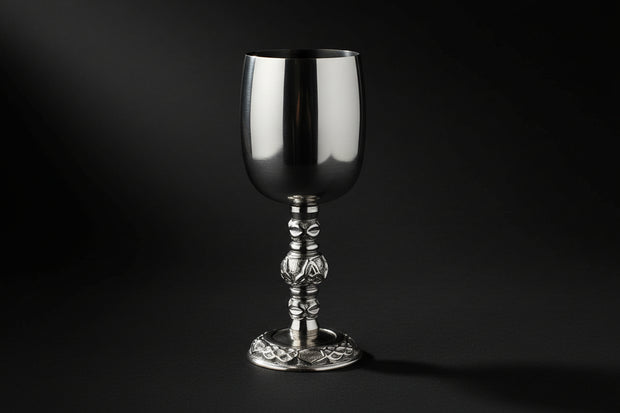
Chalice
Determine whether it will be symbolic, hold non-ingested libations, or contain a beverage for consumption. Food safety is a manufacturing and material question, not a spiritual one. Keep non-food ritual vessels separate from drinkware.
Pentacle
Dedicate it as an altar symbol, elemental representation, protective emblem, or surface for blessing other objects. Choose a method compatible with the material and finish.
Cauldron
State whether the vessel is for unlit offerings, petitions, incense, charcoal, candle use, or decoration. A ritual cauldron is not automatically cookware. Fire use requires ventilation, heat resistance, supervision, and manufacturer guidance.
Besom
Dedicate the broom to symbolic cleansing, threshold work, or opening and closing ritual space. Keep natural fibers away from flame and avoid wet methods that could loosen bindings or create mold.
Book of Shadows
A journal can be dedicated through the first written page. Record its purpose, privacy boundaries, source standards, and whether it will contain personal experience, copied ritual, research notes, or all three.
Smoke-Free and Flame-Free Consecration
Smoke and flame are not requirements. Asthma, migraines, pets, children, shared housing, lease restrictions, disability, trauma history, or simple preference may make them unsuitable.
A complete flame-free rite can use:
- A battery-operated candle
- A bell, chime, hand clap, or recorded tone
- Breath and spoken prayer
- Colored cloths representing the elements
- Written elemental names or symbols
- Visualization or silent meditation
- A brief period of sunlight or moonlight only when the material tolerates it
Accessibility adaptations do not make the rite less valid. A meaningful ritual is one the practitioner can perform safely and understand clearly.
When Should a Tool Be Reconsecrated?
Routine reconsecration is optional. A tool does not automatically become spiritually useless because time has passed or another person briefly touched it.
A practitioner may choose to repeat or renew the dedication when:
- The tool’s purpose changes
- It has been repaired or substantially altered
- It returns after being lost, loaned, or stored for a long period
- The practitioner enters a new tradition or stage of practice
- The original rite no longer reflects current ethics or beliefs
- A seasonal or annual renewal has genuine meaning within the practice
Physical contamination, corrosion, breakage, and mold require practical cleaning, repair, or disposal—not merely reconsecration.
Retiring or Deconsecrating a Tool
Tools can be retired when they are damaged, unsafe, no longer meaningful, or better suited to another owner. A simple deconsecration may include cleaning the object, thanking it for its role, stating that its sacred assignment is complete, and removing it from the altar.
Afterward, the object may be stored, repaired, repurposed, donated, recycled, or discarded according to its material and local rules. Do not bury metal, glass, wax, salt, synthetic fabric, treated wood, or other objects outdoors as ritual disposal. Spiritual closure does not require environmental harm.
Blades should be transferred or discarded responsibly and in accordance with local law. Journals containing private information should be secured, redacted, shredded, or otherwise handled with privacy in mind.
Common Consecration Mistakes
- Skipping physical cleaning: Symbolic cleansing does not remove dirt or contamination.
- Using every element directly: Salt, water, smoke, and flame can damage tools.
- Consecrating without defining a purpose: Clear function is more useful than elaborate ceremony.
- Assuming one rite is universal: Wiccan traditions differ, and initiatory instructions may be specific.
- Making the tool unsafe: Oil, herbs, wax, heat, moisture, and loose decorations can create hazards.
- Treating tools as mandatory: Ritual skill does not depend on owning a complete altar set.
- Ignoring ordinary storage: Sacred status does not secure blades, prevent spills, stop corrosion, or keep pets away.
- Using fear as a standard: Accidental touch or a missed ritual step does not automatically ruin an object.
Frequently Asked Questions
Can someone else consecrate my ritual tool?
A coven, priestess, priest, teacher, or trusted practitioner may consecrate or bless a tool according to a tradition. Solitary practitioners can also perform the rite themselves. Consent and understanding matter more than rank alone.
Do I have to use saltwater?
No. Saltwater damages many metals, woods, minerals, finishes, papers, and fabrics. Use symbolic Water and Earth representations instead.
Can I consecrate several tools at once?
Yes, although giving each object a separate purpose statement helps prevent the rite from becoming vague. A complete altar set may be acknowledged together and then dedicated individually.
Does another person touching a tool remove its consecration?
Not automatically. Some traditions maintain strict handling rules, while others do not. Clean the object when physically necessary and renew the dedication only when it is meaningful within your practice.
Can I use moonlight?
Yes, as symbolic exposure when the material tolerates the location, temperature, moisture, and duration. Do not leave valuable, fragile, water-sensitive, or easily stolen tools outdoors.
What words must I say?
No universal wording applies to every Wiccan. State the purpose, boundaries, and values clearly. Practitioners in an initiatory tradition should follow that tradition’s instructions.
Can an ordinary household object become a consecrated tool?
Yes. A cup, bowl, candle holder, kitchen spoon, branch, notebook, or cloth can be set apart for ritual use when it is appropriate and safe. Once exposed to non-food ritual materials, do not return food-contact objects to culinary use.
Consecrate the Purpose, Not the Appearance
A ritual tool becomes useful when its purpose is understood, its material is respected, and it is placed into responsible practice. Consecration can be elaborate within a formal tradition or simple within a solitary one. Neither approach benefits from damaging the object or creating unnecessary risk.
Clean physically. Cleanse symbolically. State the role. Establish boundaries. Use the tool once, record the rite, and store it properly. The result is not an object made powerful by theatrical treatment, but a tool integrated into a practice with clarity, care, and intention.
Tools for this practice
Explore the products selected for this guide. Review each listing for what is included and how to use it.


Shop this guide · 4 items Collapse



Keep exploring the shop
You made it to the end of the guide. Keep exploring through related products, major departments, or the full catalog.
 RELATED TO THIS GUIDE
Ritual Supplies & Altar Tools
Shop this topic
RELATED TO THIS GUIDE
Ritual Supplies & Altar Tools
Shop this topic


Leave a comment