


How to Start a Crystal and Mineral Collection on a Budget

A mineral collection does not need rare specimens, oversized crystals, or a large first purchase. A strong collection begins with a clear purpose, accurate labels, and pieces you can study and care for. Budget collecting works best when you spend intentionally rather than chasing every new trade name or social-media trend.
Choose Your Mineral-Collecting Path
Use this article as the starting point, then follow the path that matches what you are trying to learn.
- Learn the terminology: Start with the Mineral Collector Glossary to understand thumbnail, cabinet, matrix, float, termination, locality, provenance, repair, and other common terms.
- Buy online more carefully: Use How to Buy Crystals and Mineral Specimens Online Without Being Misled to evaluate exact-item photographs, dimensions, treatments, repairs, shipping, and returns.
- Inspect a piece in person: Read How to Inspect Crystals and Mineral Specimens Before Buying.
- Understand names and treatments: Compare Crystal Trade Names vs. Mineral Species and Natural, Synthetic, Treated, and Imitation Crystals.
- Evaluate value and condition: Continue with Why Crystal and Mineral Prices Vary, What Makes a Mineral Specimen Collectible?, and Repaired, Stabilized, and Mounted Mineral Specimens.
- Preserve documentation: Learn How to Read a Mineral Label and How to Catalog a Personal Crystal and Mineral Collection.
- Move pieces safely: Use How to Transport Crystals and Mineral Specimens Safely.
Decide What You Want the Collection to Teach You
A collecting focus prevents random purchases from consuming the budget. Possible starting themes include:
- one mineral group, such as quartz or calcite;
- different crystal habits;
- minerals from Ohio or another locality;
- color, fluorescence, inclusions, or matrix relationships;
- tumbled, carved, or natural forms;
- stones used in your spiritual practice;
- small specimens chosen for study rather than display size.
Your focus can change later. It simply gives the first purchases a reason to belong together.
Set Two Spending Limits
Use both a per-piece limit and a monthly or quarterly limit. A $25 maximum per specimen does not protect the budget if ten specimens are purchased in one afternoon. Include tax, shipping, stands, storage, labels, and protective boxes in the total.
Keep a wish list and wait before buying. The pause makes it easier to compare several examples and recognize whether the appeal comes from the specimen or the urgency surrounding it.
Begin With Common, Well-Labeled Material
Common minerals can show excellent crystal form, color, luster, cleavage, zoning, and inclusions. They are often better learning specimens than an expensive object sold under an unsupported rarity claim.
Look for pieces that clearly demonstrate one feature:
- a recognizable crystal habit;
- a clear relationship between crystal and matrix;
- an interesting inclusion or growth pattern;
- good luster;
- a documented locality;
- a polished form that reveals internal structure.
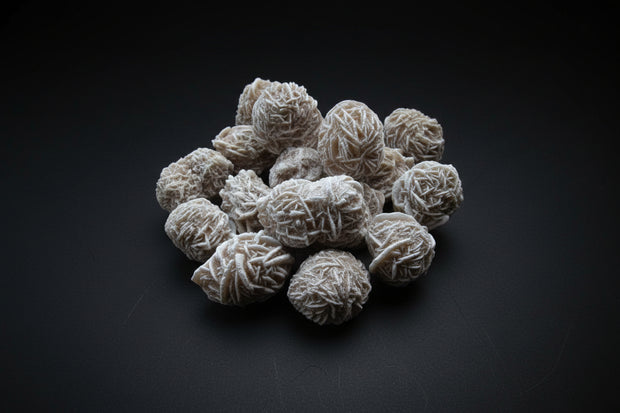
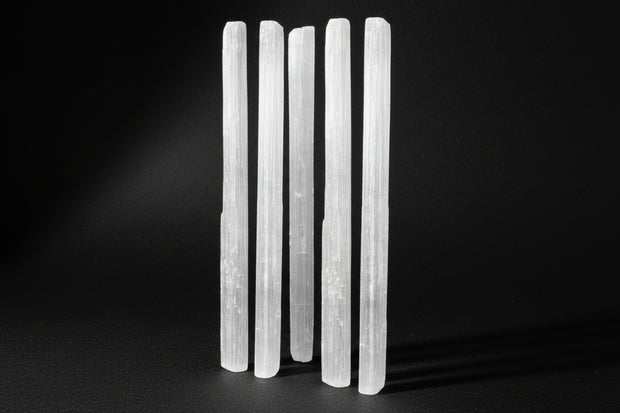
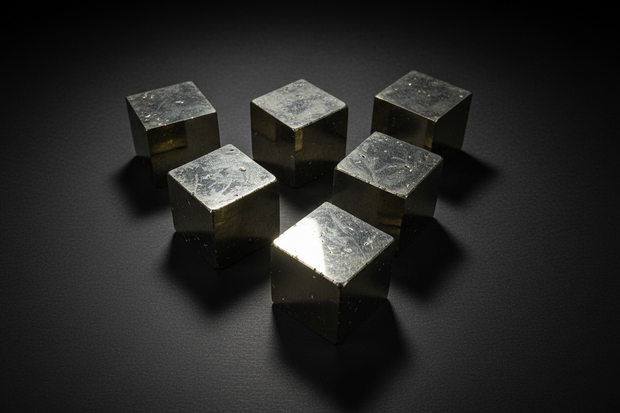
Browse Crystals & Stones while comparing material, dimensions, form, and labeling rather than price alone.
Small Specimens Can Be Excellent Specimens
Thumbnail and miniature specimens often preserve the same mineralogical features as larger pieces while costing less and requiring less storage. A small well-formed crystal can be more educational and aesthetically balanced than a larger damaged piece.
Use a ruler before purchasing online. A carefully photographed small specimen may appear much larger on a screen. Read How to Buy Crystals and Mineral Specimens Online Without Being Misled before ordering.
Compare Price by Actual Features
Two pieces with the same retail name may differ in species, size, weight, condition, locality, treatment, polish, carving labor, and documentation. Use Why Crystal and Mineral Prices Vary to identify what you are paying for.
Ask:
- Is the item the exact piece shown?
- What are its dimensions and weight?
- Is the color natural or treated?
- Are repairs or coatings present?
- Is locality documented?
- Does the original label come with it?
- Is the price based on measurable quality or only a dramatic name?
Buy Fewer Pieces With Better Information
A collection of ten documented specimens usually retains more educational value than a container of unidentified stones. When choosing between two purchases, favor the specimen with reliable identification, locality, treatment disclosure, and condition information.
Learn the difference between a formal mineral species, a variety, and a trade name. A commercial name may be useful, but it should not erase the underlying material.
Use Tumbled Stones Strategically
Tumbled stones are affordable ways to compare color, pattern, translucency, and polish. They are less useful for studying natural crystal habit because shaping removes the original surface. Keep the purpose of each piece clear.
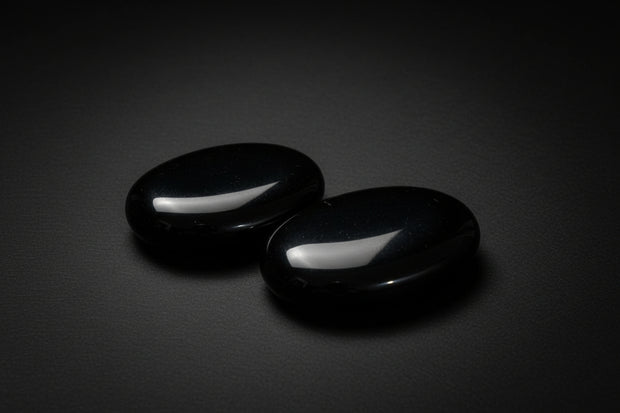
A modest polished piece may also serve ritual or tactile use while fragile natural specimens remain protected for study and display.
Approach Clearance, Estate, and Secondhand Pieces Carefully
Discounted or secondhand specimens can offer strong value, but inspect labels, damage, repairs, unstable matrix, odors, coatings, and missing provenance. A low price does not compensate for a false identification when accurate study is the goal.
Do not assume every unlabeled inherited specimen came from a famous mine. Record the locality as unknown unless evidence survives.
Avoid Trend-Driven Scarcity Claims
Social-media popularity can increase prices quickly. Claims such as “rare,” “high vibration,” “collector grade,” or “one of a kind” need explanation. Every natural specimen is physically individual, but individuality alone does not establish rarity or market value.
Read What Makes a Mineral Specimen Collectible? before paying a collector premium.
Preserve Labels From the First Purchase
Keep the original label, receipt, supplier information, acquisition date, dimensions, treatment notes, and photographs. Assign a simple catalog number before the collection becomes difficult to organize.
Follow How to Catalog a Personal Crystal and Mineral Collection. A basic notebook from the Journals collection or a spreadsheet is enough to begin.
Budget for Storage and Display
A bargain specimen is not a bargain if it is chipped because no safe storage was planned. Reserve part of the budget for:
- small boxes or trays;
- acid-free labels;
- stable sphere and specimen stands;
- dust protection;
- drawer dividers;
- secure shelving;
- padding for fragile pieces.
Explore Storage & Chests for organizational options. Keep heavy pieces low, fragile points separated, and labels with their specimens.
Learn Before Upgrading
Use the first collection to learn what actually holds your interest. After six months, review:
- which pieces you return to;
- which labels contain useful information;
- which forms are difficult to store;
- which purchases were made because of pressure;
- which mineral families you want to study further.
Then direct a larger budget toward a better example of something you already understand.
A Sample Starter Budget
| Category | Example Allocation |
|---|---|
| Three to five common labeled specimens | 50% |
| One polished or tactile piece | 15% |
| Storage, labels, and stands | 20% |
| Reference book or journal | 10% |
| Unspent reserve | 5% |
The percentages matter more than the total. A $40 budget can still produce a coherent beginning.
Frequently Asked Questions
How many crystals should a beginner buy?
Begin with a few pieces you can identify, record, and compare. There is no required number.
Are expensive specimens always better?
No. Price can reflect genuine rarity and quality, but also size, labor, demand, or branding. Compare actual features.
Should I collect by metaphysical meaning?
You can, but also record the physical material, treatment, form, and care needs. Symbolic meaning does not replace identification.
Is it acceptable to collect polished stones?
Yes. Polished forms reveal pattern and color, while natural specimens preserve crystal habit. They serve different purposes.
How do I know when to buy a more valuable piece?
Upgrade when you can explain what makes the specimen better, how you will store it, and why it fits the collection.
What should I never discard?
Keep original mineral labels, receipts, treatment disclosures, locality information, and any prior collection numbers.
A Budget Can Improve the Collection
Spending limits encourage comparison, patience, and documentation. Build slowly, choose pieces that teach you something, and let knowledge—not urgency—determine when the collection grows.
Tools for this practice
Explore the products selected for this guide. Review each listing for what is included and how to use it.
Shop this guide · 4 items Collapse


Keep exploring the shop
You made it to the end of the guide. Keep exploring through related products, major departments, or the full catalog.
 RELATED TO THIS GUIDE
Crystals & Stones
Shop this topic
RELATED TO THIS GUIDE
Crystals & Stones
Shop this topic


Leave a comment