


Mesopotamian Paganism for Beginners: Gods, Temples, Offerings, and Modern Practice

Mesopotamian Paganism is a modern umbrella term for religious practices inspired by the many traditions of ancient Mesopotamia. These traditions developed across Sumerian, Akkadian, Babylonian, and Assyrian cultures over thousands of years in the region between and around the Tigris and Euphrates rivers.
There was never one timeless “Mesopotamian religion,” one universal pantheon, or one ritual system followed everywhere. Gods changed in prominence, names moved between languages, cities maintained their own patron deities, and political power reshaped religious life. A responsible modern practice begins by choosing a period, city, language, or divine relationship for focused study rather than flattening the entire ancient Near East into a single mystical system.
For a broader introduction to historically focused revival traditions, read Beyond Wicca: Exploring Reconstructionist Pagan Paths. Readers new to many-god traditions may also benefit from Polytheism in Paganism.
What Is Mesopotamian Paganism?
Modern practitioners use several labels, including Mesopotamian polytheism, Sumerian reconstructionism, Babylonian religion, Assyrian polytheism, and related devotional terms. Some practitioners attempt a historically informed reconstruction. Others build a revival tradition that combines scholarship with transparent modern adaptation. Some simply honor one Mesopotamian deity within a broader Pagan practice.
A useful beginner framework separates four categories:
- Historical religion: Practices documented through temples, inscriptions, administrative records, hymns, prayers, myths, rituals, archaeology, and legal or political texts.
- Scholarly reconstruction: Modern attempts to understand how those practices functioned within a particular city, period, and language.
- Modern adaptation: New home rituals, prayers, calendars, and devotional forms created because ancient temple institutions no longer exist.
- Personal experience: Dreams, impressions, divination, or devotional relationships that may be spiritually meaningful without proving ancient history.
These categories can coexist. The important practice is honest labeling. A new prayer inspired by an ancient hymn can be valuable without being advertised as a word-for-word ritual performed in Uruk four thousand years ago.
One Region, Many Cultures and Languages
“Mesopotamia” describes a broad historical region rather than one nation or religion. Sumerian-speaking communities created some of the earliest surviving written religious material. Akkadian later became a major language of administration, literature, ritual, and scholarship. Babylonian and Assyrian traditions developed within this wider Akkadian-speaking world while maintaining distinct cities, institutions, political histories, and divine priorities.
Divine names may therefore appear in more than one language. Inanna is commonly associated with the Akkadian Ishtar. Enki corresponds broadly with Ea. Utu corresponds with Shamash, and Nanna with Sin. These pairings are useful, but they do not mean that every hymn, title, temple, or theological idea remained identical across all periods.
Beginners should record the language, city, and date of a source whenever possible. “A Sumerian hymn from Ur” is more informative than “the ancients believed.”
How Do We Know About Mesopotamian Religion?
Unlike traditions built around one surviving scripture, Mesopotamian religion is reconstructed from a vast but uneven body of evidence. Cuneiform tablets preserve myths, hymns, laments, prayers, divination reports, temple accounts, offering lists, medical and magical texts, royal inscriptions, scholarly commentaries, and ordinary administrative records.
Archaeology contributes temples, household shrines, foundation deposits, figurines, seals, graves, vessels, and urban layouts. Art shows divine symbols, ritual scenes, processions, rulers, protective beings, and sacred objects. Yet surviving evidence is incomplete. Much of it reflects temples, palaces, scribal schools, and elite institutions rather than every household or village.
Translations also change as tablets are reassembled, signs are reconsidered, and scholars debate difficult passages. A responsible practitioner compares multiple translations and avoids treating one popular retelling as unquestionable fact.
Major Mesopotamian Gods and Goddesses
There is no single complete pantheon list that applies equally to every city and century. The following figures are important starting points, not a universal hierarchy.
An or Anu
An in Sumerian and Anu in Akkadian traditions is associated with the heavens, divine authority, and high rank among the gods. His importance is especially visible in theology, divine genealogy, and formal titles, although the level of direct popular devotion varied by place and period.
Enlil
Enlil was a major god connected with authority, wind, decree, kingship, and the ordering of the world. Nippur became one of his most important cult centers. Ancient texts can portray his power as creative, protective, destructive, and politically decisive.
Enki or Ea
Enki in Sumerian sources and Ea in Akkadian sources is associated with wisdom, skill, freshwater, the subterranean Abzu or Apsu, ritual knowledge, incantation, craftsmanship, and ingenious solutions. Modern portrayals sometimes reduce him to a simple “water god,” but his character is broader and often involves intelligence, mediation, and technical or magical expertise.
Inanna or Ishtar
Inanna and Ishtar are among the best-known Mesopotamian divine figures. Their domains include love, sexuality, warfare, political power, kingship, fertility, transformation, and the planet Venus. It is misleading to describe Inanna or Ishtar only as a gentle love goddess. Ancient hymns and myths present a commanding, complex, and sometimes dangerous divine power.
Utu or Shamash
Utu in Sumerian and Shamash in Akkadian is the sun god associated with light, justice, judgment, truth, travel, and the ability to see what human beings conceal. His solar movement and judicial role made him important in prayer, law, divination, and protection.
Nanna or Sin
Nanna in Sumerian and Sin in Akkadian is the moon god, strongly associated with Ur and Harran. Lunar observation supported calendars, ritual timing, omens, and the organization of civic and agricultural life.
Ninhursag and Related Mother-Goddess Traditions
Ninhursag is associated with birth, motherhood, land, mountains, and divine creation in different sources. Mesopotamian texts contain several mother-goddess names and traditions whose relationships are complex. Modern charts that merge every female creator or earth-associated deity into one universal goddess erase important distinctions.
Ereshkigal and Nergal
Ereshkigal rules the underworld in major literary traditions. Nergal is associated with war, plague, destructive heat, death, and the underworld. Neither should be approached as a decorative “dark deity” without studying ancient concepts of death, danger, kingship, disease, and divine authority.
Marduk and Ashur
Marduk rose to exceptional importance in Babylon, especially as Babylonian political and theological influence expanded. Ashur was the central national and imperial deity of Assyria. Their prominence shows how religion, city identity, kingship, and empire could shape divine hierarchy. Neither should be projected backward as ruler of every earlier Sumerian pantheon.
Temples, City Patrons, and Sacred Images
Ancient Mesopotamian temples were not simply public meeting rooms. They were understood as divine households and major economic institutions. A city could identify closely with a patron deity whose temple employed priests, administrators, craftspeople, cooks, musicians, diviners, laborers, and other specialists.
Temple service could include preparing food, maintaining purity, presenting incense, dressing sacred images, performing music, reciting prayers, observing festivals, managing land, and caring for divine property. These activities were embedded within civic economies and political structures that cannot be recreated in a modern apartment or private home.
Cult statues and sacred images were not treated as casual decorations. Through ritual preparation and installation, an image could function as the deity’s embodied presence within the temple. Modern practitioners should therefore avoid claiming that any purchased statue automatically reproduces the status of an ancient temple image.
A home shrine can still be meaningful. It is better understood as a modern devotional space inspired by historical relationships than as a miniature ziggurat or replacement temple. For practical guidance, see How to Build a Deity Altar.
Offerings, Hymns, Prayer, and Divination
Food, drink, incense, music, praise, lamentation, and ritual service were central to temple religion. Offering records include bread, grain, beer, dates, oil, meat, dairy products, and other goods, but the exact offerings depended on the temple, deity, festival, economy, and period.
A modern practitioner does not need to imitate the scale of a temple kitchen. Modest offerings may include:
- Clean water
- A small piece of bread
- Dates, figs, grain, or fruit
- Beer or wine when legally, medically, and practically appropriate
- Milk, tea, or another nonalcoholic drink
- Incense used with ventilation and fire safety
- A spoken hymn, copied passage, poem, song, or act of skilled work
- Study, translation support, museum education, or heritage preservation
Present food in small portions and dispose of it through safe household methods. Do not leave bread, alcohol, wax, oil, salt, coins, or glass outdoors where they can harm wildlife or become litter. Our detailed guide to offerings and respectful disposal explains practical options.
Divination was also highly developed, but many ancient methods required specialist training and institutional authority. Omen series, astrology, dream interpretation, extispicy, and other practices belonged to complex scholarly systems. A modern tarot reading should not be presented as an unchanged Sumerian temple method. Contemporary divination can be used devotionally when it is identified honestly as modern.
Who Were the Anunnaki?
The Anunnaki were a group or category of deities in Mesopotamian texts. Their membership, number, rank, and function vary across periods and compositions. Some texts associate them with high divine authority; others place them in underworld or judicial settings. There is no single ancient master list that settles every question.
The popular claim that the Anunnaki were extraterrestrial engineers who created humanity to mine gold is not supported by ancient Mesopotamian texts or mainstream Assyriology. It comes from modern pseudohistorical reinterpretations, selective translation, and science-fiction-style speculation.
Rejecting the alien claim does not make the Anunnaki less spiritually or historically interesting. It allows them to be studied within the actual religious, literary, and political worlds that produced the surviving texts.
Building a Simple Mesopotamian-Inspired Home Practice
Begin with one deity and one well-defined body of sources. A focused practice is easier to sustain and less likely to turn into a collage of unrelated names and symbols.
A Simple Shrine
Your devotional space may include:
- A written divine name, researched image, or respectfully made representation
- A clean cup for water or another drink
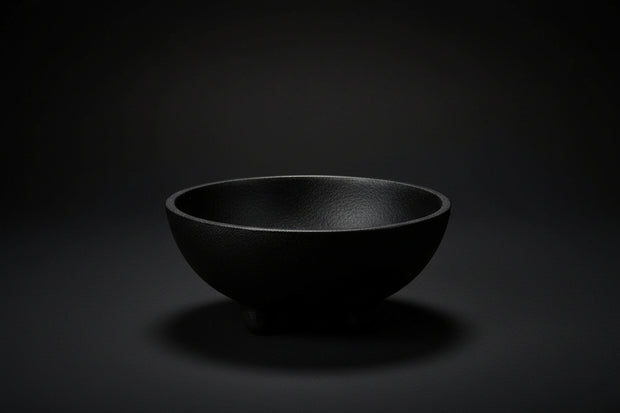
- A small plate or bowl for food
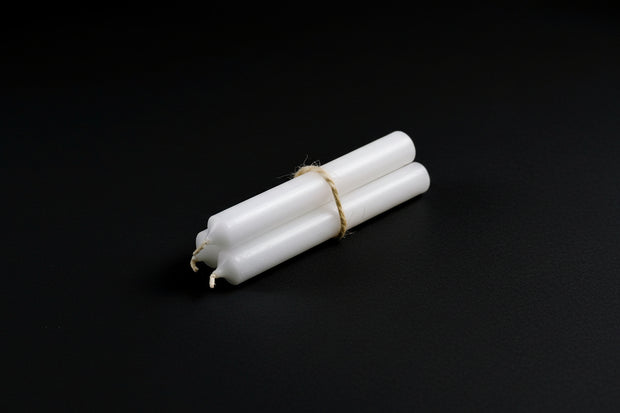
- A candle or flameless light
- An incense holder when smoke is safe
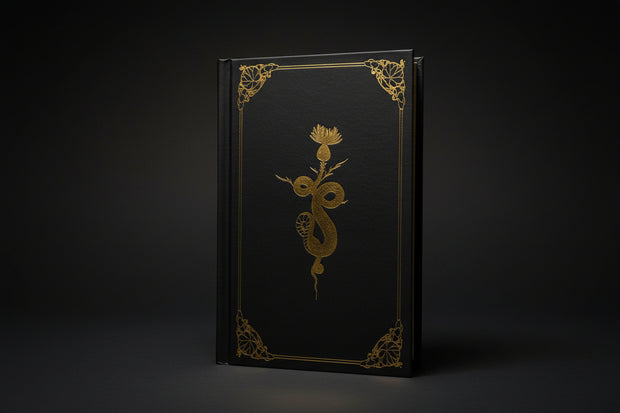
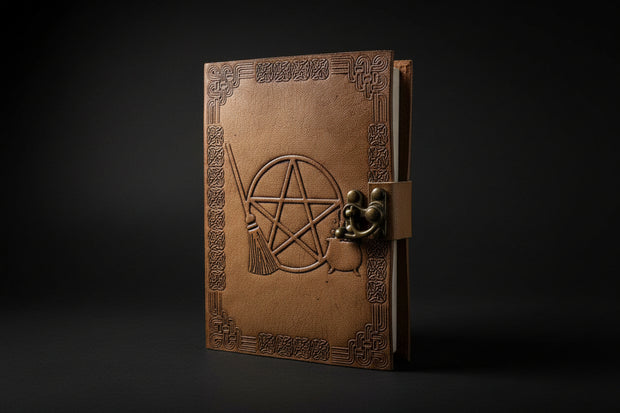
- A notebook for sources, prayers, offerings, and questions
- A copy or translation of a hymn, myth, or prayer
Keep the surface stable and easy to clean. Avoid placing fabric, paper, dried plants, alcohol, or oil close to flame. Use LED light when open flame is unsafe, and avoid incense around respiratory conditions, birds, sensitive pets, or poor ventilation.
A Beginner Home Devotional Rite
This is a modern rite inspired by documented themes of preparation, praise, offering, petition, and closure. It is not presented as an exact temple ceremony.
- Prepare the space. Wash your hands, clean the shrine, silence distractions, and place a small offering and cup of water.
- Name the deity clearly. Use a researched title connected to the chosen language, city, or source. Avoid inventing a list of grand titles and labeling it ancient.
- Offer praise. Read a short translated hymn, paraphrase a documented attribute, or speak a simple statement of respect.
- Present the offering. Explain whether it expresses gratitude, hospitality, remembrance, or a request for guidance.
- Speak your prayer. Be direct. Do not promise sacrifices, money, dangerous acts, or obligations you cannot keep.
- Sit quietly. Allow several minutes for reflection without forcing every sound, dream, or coincidence into a divine message.
- Name a practical action. Study a source, finish skilled work, correct an error, support preservation, help someone, or fulfill a responsibility.
- Close. Give thanks, extinguish flame completely, record the rite, and dispose of offerings safely at an appropriate time.
Festivals and Calendars
Mesopotamian calendars were local, lunar, civic, agricultural, and political. Festival names and dates varied by city and period. The Babylonian Akitu festival is well known, but it should not be treated as one universal “Mesopotamian new year” celebrated identically throughout all history.
A modern calendar may combine documented festivals from one city or tradition with a personal devotional schedule. Label reconstruction and adaptation separately. Do not place Sumerian divine names onto the modern Wiccan Wheel of the Year and call the result an ancient Mesopotamian calendar.
Cultural Respect and Responsible Reconstruction
Ancient Mesopotamia is not an imaginary lost civilization detached from the modern world. Its sites, objects, languages, and histories are connected especially with modern Iraq and with surrounding regions and peoples. War, colonial excavation, illegal antiquities markets, museum removal, and destruction of archaeological sites affect how this heritage is studied and displayed.
Respectful practice includes supporting accurate scholarship, recognizing modern communities, refusing looted artifacts, and avoiding imagery that turns living countries into a background for mystical fantasy.
Research Symbols Before Using Them
Cuneiform signs, cylinder-seal images, divine emblems, stars, rosettes, winged beings, and modern “Anunnaki symbols” are frequently mislabeled online. Before wearing, tattooing, selling, or placing a symbol on an altar, identify the original object, date, location, museum record, and scholarly interpretation.
Avoid Universal Correspondence Charts
Ancient texts connect deities with cities, stars, planets, animals, numbers, materials, temples, titles, and ritual roles. Modern charts often add crystals, tarot cards, chakras, fixed candle colors, and personality summaries without historical support. Such additions may be useful in an eclectic practice, but they should be called modern correspondences rather than ancient facts.
Do Not Recreate Harmful Institutions
Ancient religion existed alongside monarchy, warfare, slavery, animal sacrifice, imperial conquest, and unequal social systems. Historical understanding does not require moral imitation. Modern reconstruction should adapt to contemporary ethics, consent, law, animal welfare, safety, and human dignity.
A 30-Day Beginner Study Plan
- Week one: Learn the differences among Sumerian, Akkadian, Babylonian, and Assyrian periods, languages, and cities.
- Week two: Choose one deity and compare a myth, hymn or prayer, scholarly overview, and museum object connected with that deity.
- Week three: Create a simple shrine, offer water or bread, read a documented hymn, and keep notes on what is historical versus adapted.
- Week four: Study one temple or festival, review the Anunnaki alien claim critically, improve your source list, and choose a sustainable devotional schedule.
Common Beginner Mistakes
- Treating Mesopotamia as one culture: Name the language, city, period, and source whenever possible.
- Believing alien-Anunnaki claims: Use credible translations and Assyriological scholarship rather than pseudohistory.
- Reducing Inanna or Ishtar to romance: Study warfare, kingship, political power, Venus, sexuality, and transformation as well.
- Calling every statue a cult image: Ancient sacred images belonged to specialized temple rituals and institutions.
- Copying a correspondence chart without sources: Separate ancient associations from recent occult additions.
- Using random cuneiform: Verify signs, language, grammar, date, and context before displaying or tattooing text.
- Trying to worship every god immediately: Begin with one relationship and a manageable body of research.
- Confusing devotion with certainty: Personal experiences can be meaningful without becoming historical proof or commands that override judgment.
Frequently Asked Questions
Is Mesopotamian Paganism the Same as Sumerian Religion?
No. Sumerian religion is one major part of the broader history. Mesopotamian religion also includes Akkadian, Babylonian, Assyrian, and other local traditions that developed across many centuries.
Are Inanna and Ishtar the Same Goddess?
They are closely identified across Sumerian and Akkadian traditions, but names, titles, texts, cities, and theological details can vary. Study the specific source rather than assuming every feature is interchangeable.
Are Enki and Ea the Same God?
Enki and Ea broadly refer to corresponding Sumerian and Akkadian forms of a deity associated with wisdom, freshwater, ritual knowledge, skill, and incantation. Source-specific differences still matter.
Were the Anunnaki Aliens?
No credible ancient-textual or archaeological evidence supports the claim that the Anunnaki were extraterrestrials. They are divine figures or groups within Mesopotamian religious texts.
Can I Honor a Mesopotamian Deity at Home?
Yes. Begin with reliable research, a clean space, a modest offering, a documented title or hymn, and transparent modern adaptation.
What Is a Good First Offering?
Clean water or a small piece of bread is accessible, easy to present respectfully, and simple to dispose of safely. Research deity- and tradition-specific offerings as your practice develops.
Do I Need to Learn Cuneiform?
No, but learning how cuneiform works and consulting reputable translations can improve your understanding. Do not rely on decorative sign charts or automatic translators for sacred text.
Can Mesopotamian Paganism Be Combined With Witchcraft or Wicca?
It can be combined in a personal modern practice, but the traditions should not be presented as historically identical. Label the blend clearly and preserve the cultural context of each element.
Begin With One City, One Deity, and Honest Sources
Mesopotamian religion offers an immense world of gods, temples, hymns, myths, sacred images, festivals, divination, scholarship, and civic life. Its depth cannot be reduced to an alien conspiracy, a pantheon chart, or a collection of supposedly ancient correspondences.
Choose one city or period. Study one deity through translated texts, archaeology, museum records, and current scholarship. Offer water, bread, prayer, or skilled work. Keep your shrine safe, your claims precise, and your modern adaptations visible. A meaningful contemporary practice grows through disciplined study, respectful devotion, ethical judgment, and the willingness to correct what you once believed.
Tools for this practice
Explore the products selected for this guide. Review each listing for what is included and how to use it.
Shop this guide · 4 items Collapse


Keep exploring the shop
You made it to the end of the guide. Keep exploring through related products, major departments, or the full catalog.
 RELATED TO THIS GUIDE
Ritual Supplies & Altar Tools
Shop this topic
RELATED TO THIS GUIDE
Ritual Supplies & Altar Tools
Shop this topic


Leave a comment