


Sigil Forge Codex Discordia: Scrambled Numeric Sigil System

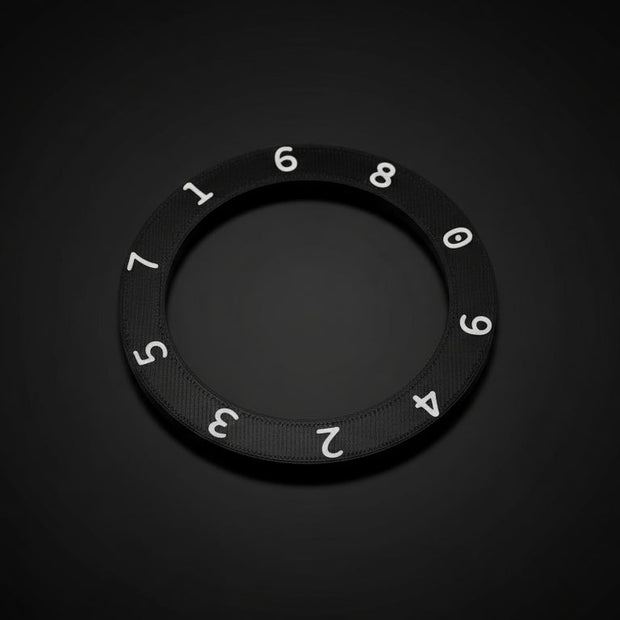
Sigil Forge Codex Discordia is a numeric sigil construction system that rearranges the familiar 0–9 sequence before a written intention is plotted. The result is a repeatable but less predictable geometric structure.
Codex Discordia is a modern creative framework. The reordered digits are used to alter the visual path, not to claim an ancient code or objectively superior form of sigil magic.
How a Rearranged Numeric Engine Works
The practitioner prepares a written intention, converts its letters into digits through a consistent mapping rule, and then plots those digits on the Discordia framework.
The digit positions are deliberately rearranged. Because the framework itself remains fixed, the same prepared text will still produce the same raw design each time.
Why Rearrange the Digits?
Changing the number order changes the geometry without changing the intention. Practitioners may use a rearranged system to:
- create a less familiar line path;
- compare ordered and disordered visual structures;
- produce more irregular angles and crossings;
- move farther from recognizable alphabet forms;
- expand the number of possible designs derived from one statement.
Prepare the Intention
Begin with one focused statement. For example:
“I respond to change with steady judgment.”
Then select a consistent text-preparation rule:
- remove spaces and punctuation;
- decide whether repeated letters remain;
- decide whether vowels remain;
- write down the final sequence;
- use that exact same sequence for any comparison engine.
Convert the Letters Into Digits
Each letter is assigned to a digit through the Codex mapping method. Write the full numeric sequence before beginning to draw.
This record matters because multiple letters may share a digit, producing repeated points or overlapping lines in the final structure.
Plot the Discordia Path
- Locate the first digit in the Discordia framework.
- Draw a line to the second digit.
- Continue through the complete sequence.
- Mark the starting and ending points if desired.
- Save the unedited result.
The raw structure may appear dense, angular, or asymmetrical. Those qualities are features of the rearranged mapping, not errors.
Refine the Raw Design
After plotting, the practitioner may:
- remove duplicated line segments;
- emphasize one central shape;
- rotate or mirror the path;
- smooth harsh angles;
- add a circle or boundary;
- simplify the design for carving or compact use.
Keep the finished form recognizable enough that it can be redrawn consistently.
Discordia vs Ordinem
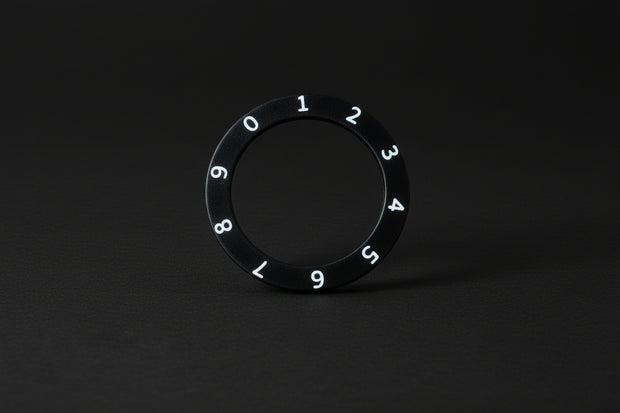
Codex Ordinem keeps the digits in natural order. Discordia rearranges their positions.
Ordinem offers a clearer baseline for study. Discordia produces a more irregular path. Using the same text in both systems isolates the effect of the numeric layout.
Discordia vs Alphabet Systems
Alphabet systems plot letters directly, while Discordia compresses those letters into ten digit positions first. That compression often creates repeated points and layered geometry.
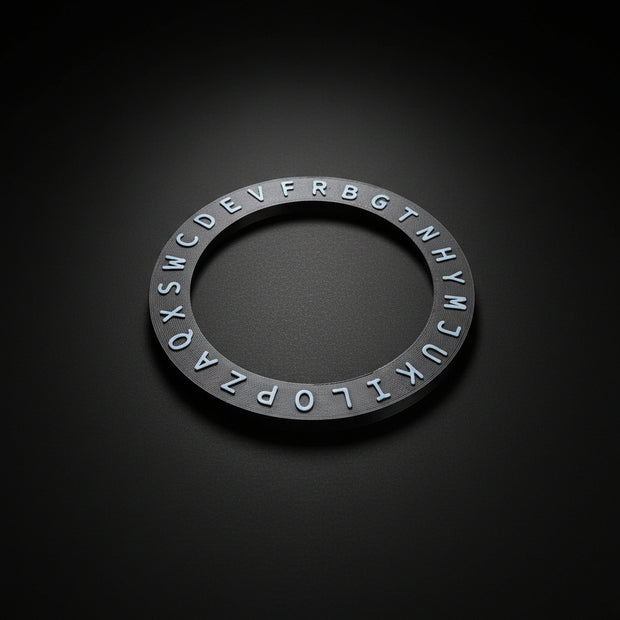
Compare Discordia with the Cypher Edition when you want to study two forms of rearranged mapping: one alphabetic and one numeric.
Best Uses for Codex Discordia
This system may suit practitioners who want:
- abstract numeric sigils;
- a fixed but rearranged construction method;
- strong contrast with an ordered 0–9 framework;
- irregular or asymmetrical starting designs;
- a repeatable alternative to fully random generation.
A Side-by-Side Exercise
- Finalize one short intention.
- Prepare the text once.
- Convert it to a numeric sequence.
- Plot the sequence in Codex Ordinem.
- Plot the same sequence in Codex Discordia.
- Compare the raw structures before refinement.
- Adapt each design to the same intended medium.
This reveals how the placement of the digits changes the finished geometry.
Complete the Ritual Process
Codex Discordia constructs a visual framework. It does not choose the purpose, provide spiritual authority, charge the sigil, activate it, or guarantee an outcome.
Begin with How to Write Effective Sigil Intentions, then continue with the complete guide to creating, charging, and activating sigils.
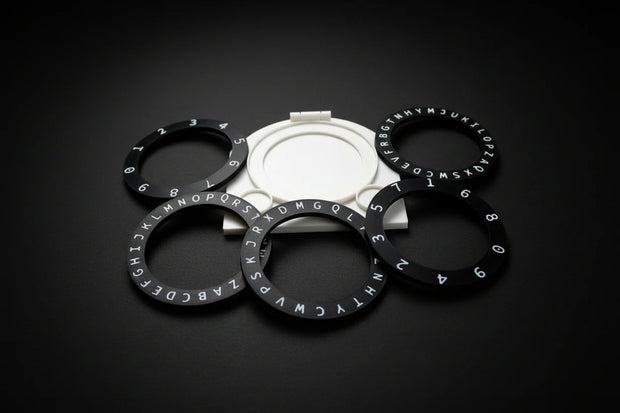
Explore Sigil Forge Codex Discordia individually, or compare all alphabet and numeric engines in the Sigil Forge Master Set.
Sigil Forge is a creative and ritual construction tool. It does not guarantee outcomes and should not replace practical, medical, mental health, legal, financial, safety, or emergency action.
Tools for this practice
Explore the products selected for this guide. Review each listing for what is included and how to use it.
Shop this guide · 4 items Collapse


Keep exploring the shop
You made it to the end of the guide. Keep exploring through related products, major departments, or the full catalog.
 RELATED TO THIS GUIDE
Ritual Supplies & Altar Tools
Shop this topic
RELATED TO THIS GUIDE
Ritual Supplies & Altar Tools
Shop this topic


Leave a comment