


Canaanite Paganism for Beginners: Ugaritic Gods, Offerings, and Modern Practice

Canaanite Paganism is a modern effort to study, honor, and responsibly adapt the polytheistic religions of the ancient Levant. It draws from archaeology, inscriptions, Ugaritic tablets, comparative language, temple remains, and the work of historians of the ancient Near East. Because the evidence comes from many cities, centuries, and communities, this path cannot be reduced to one universal pantheon or a single surviving ritual system.
A grounded approach begins with regional context. The ancient Levant included communities in areas now associated with Syria, Lebanon, Israel, Palestine, and Jordan. Ugarit, a Late Bronze Age city on the Syrian coast, left an unusually rich religious archive, but Ugaritic religion was not identical to every tradition practiced farther south or in later Phoenician cities. Modern practitioners therefore use terms such as Canaanite reconstructionism, Levantine polytheism, or Ugaritic-informed devotion with different levels of precision.
What Does Canaanite Paganism Mean?
“Canaanite religion” is a broad scholarly label for related West Semitic religions practiced across parts of the Bronze and Iron Age Levant. The people grouped under that label did not belong to one centralized church. Cities had local gods, political loyalties, priesthoods, calendars, and ritual customs. Deities could share names across regions while holding different local titles, relationships, and levels of importance.
For a modern practitioner, Canaanite Paganism usually means building a religious practice from the surviving evidence while clearly identifying modern adaptations. This makes it part of the wider family of reconstructionist Pagan paths. It is not a claim that every missing ceremony can be recovered or that modern life should imitate an ancient monarchy, temple economy, or social order.
Canaanite, Ugaritic, Phoenician, and Levantine Are Not Exact Synonyms
- Canaanite is a broad historical and linguistic category whose boundaries vary by period and scholarly context.
- Ugaritic refers specifically to the language, texts, city, and kingdom of Ugarit in the northern Levant.
- Phoenician usually refers to later Iron Age coastal city traditions associated with places such as Tyre, Sidon, and Byblos.
- Levantine polytheism is a modern umbrella that may include several regionally distinct revival or devotional approaches.
These traditions overlap, but treating them as interchangeable erases important differences. A careful beginner chooses a specific historical focus before combining material from distant cities or centuries.
How Do We Know About Ancient Levantine Religion?
The evidence is substantial in some places and painfully incomplete in others. Archaeologists have recovered temples, altars, figurines, standing stones, offering vessels, inscriptions, divine names, royal monuments, household objects, and burial remains. Textual evidence includes ritual lists, hymns, prayers, myths, administrative records, omens, dedicatory inscriptions, and references written by neighboring cultures.
Why Ugarit Matters
The tablets found at ancient Ugarit near modern Ras Shamra preserve myths, prayers, offering lists, festival material, ritual instructions, correspondence, and administrative records. They provide one of the clearest windows into a Late Bronze Age West Semitic religious world. The famous Baal Cycle, the tales of Kirta and Aqhat, and numerous ritual texts reveal divine relationships, royal concerns, sacrificial systems, and the language of praise.
Ugarit is essential, but it is not a complete template for all of Canaan. The city participated in international networks and included Ugaritic, Hurrian, Akkadian, and other cultural influences. Its archive records one kingdom at a particular historical moment. Modern practice should use Ugaritic material precisely rather than presenting it as a universal ancient Levantine religion.
Sources Must Be Read Critically
Later religious polemics can preserve names and practices while presenting them through opposition. Greek and Roman writers can describe Levantine traditions centuries after earlier Bronze Age material. Modern translations also involve scholarly judgment because tablets may be damaged and divine names or ritual terms can remain debated.
A responsible reading method compares multiple translations, notes uncertainty, and distinguishes a primary text from a modern interpretation. Beginners may find it useful to start with a general overview of modern Pagan paths before moving into specialized ancient Near Eastern scholarship.
Major Deities in Ugaritic and Canaanite Traditions
Ancient gods were not simple lists of “correspondences.” They belonged to families, cities, myths, political systems, landscapes, and ritual relationships. The following descriptions are starting points rather than complete definitions.
El or Ilu
El appears in Ugaritic literature as an aged, authoritative father figure and senior member of the divine council. He is associated with kingship, wisdom, judgment, ancestry, and the ordering of divine relationships. His position does not mean that every city worshiped him in exactly the same way or that he always received the most public attention.
Athirat or Asherah
Athirat is a major goddess in Ugaritic texts, often described through maternal and royal language and connected with the divine family. The name Asherah appears in other Levantine contexts, although scholars must evaluate each inscription or object in its own setting. Modern practitioners should avoid reducing her to a generic fertility goddess or assuming that every ancient female figurine represents her.
Baal or Baʿlu
Baal means “lord” and can function as a title as well as part of a divine name. In Ugaritic literature, Baal is commonly identified with the storm god Hadad and associated with thunder, rain, agricultural vitality, royal power, and Mount Sapan. His conflicts with Yamm, the Sea, and Mot, Death, are central to the Baal Cycle.
The Baal Cycle is mythic and poetic literature. It offers insight into divine authority, seasonal anxiety, kingship, and cosmic order, but it is not a complete instruction manual for modern worship. Claims that Baal was one identical god in every city and century oversimplify a complex title and cult history.
Anat
Anat is a powerful goddess whose Ugaritic portrayals include fierce martial imagery, loyalty, protection, and forceful intervention on Baal’s behalf. Her myths can be violent and should be understood as ancient sacred literature rather than literal instructions for behavior. Modern devotion may honor courage, defense, sovereignty, or determined action without romanticizing bloodshed.
Athtart or Astarte
Athtart appears across several ancient Near Eastern and Mediterranean settings under related names. Her roles differ by location and period and may include royal, martial, celestial, sexual, or protective dimensions. She should not automatically be equated with every goddess called Ishtar, Inanna, Aphrodite, or Venus, even when ancient cultures themselves made comparisons.
Shapash
Shapash is the solar goddess in Ugaritic literature. She moves between divine realms, witnesses events, and sometimes serves as a mediator or guide. Her role demonstrates why modern assumptions about the sun always being male and the moon always being female do not fit every ancient tradition.
Yamm and Mot
Yamm personifies the Sea and appears as a rival for divine authority. Mot embodies Death and the devouring power associated with mortality and drought. These figures are not merely villains. They express forces within an ordered but dangerous cosmos and help frame the struggles described in Ugaritic myth.
Dagan or Dagon
Dagan was an important ancient Near Eastern deity with strong regional histories and connections to kingship, grain, prosperity, and divine authority in different sources. The familiar claim that Dagon was simply a fish god is not a reliable summary of the evidence. His importance at Ugarit and elsewhere should be studied through inscriptions and regional cult history rather than later visual wordplay.
The Divine Council and Sacred Relationships
Ugaritic texts describe a community of gods using family, household, royal, and council language. Divine authority is negotiated through assemblies, messengers, feasts, petitions, alliances, and conflict. This relational worldview is useful for understanding ancient polytheism: many gods can possess distinct agency while participating in a larger sacred order.
Modern practitioners do not need to worship every named deity. Ancient people also lived within local and household relationships. A focused practice centered on one or two gods can remain polytheistic when it acknowledges the wider divine world without declaring every deity to be an aspect of one universal figure.
Temples, Offerings, and Religious Life
Public religion involved temples, priests, rulers, sacred property, festival cycles, food distribution, music, sacrifice, incense, libations, vows, and divination. Temples were not simply quiet meditation rooms. They were economic, political, and ritual institutions responsible for maintaining relationships between gods, rulers, cities, and communities.
Sacred Images and Presence
Divine images, symbols, stelae, and cult objects could mark sacred presence, but the exact meaning of any object depends on its archaeological context. A modern altar statue is a devotional focus; it should not be falsely presented as an exact replica of an ancient cult image unless its source and design are documented.
Offerings
Ancient offering systems included food, drink, incense, animals, precious materials, and portions distributed through temple institutions. Modern Pagan practice does not require reproducing sacrifice. Lawful, nonviolent offerings such as clean water, bread, olive oil, dates, grapes, wine or nonalcoholic juice, incense, flowers, poetry, music, and charitable acts can express hospitality and reciprocity.
Offerings should be selected with practical judgment. Consider allergies, children, pets, fire safety, alcohol restrictions, and local wildlife. The guide to food, libations, and respectful disposal provides a broader method for presenting and removing devotional gifts.
Divination and Discernment
Ancient Near Eastern societies used omens, dreams, celestial observation, sacrificial divination, and specialist interpretation. Modern practitioners may use prayer, journaling, dream records, or historically informed divination, but personal impressions should not be presented as recovered ancient fact. Divination is not a substitute for medical, legal, financial, or mental-health care.
Households and Ancestors
Much surviving evidence emphasizes kings and temples because monumental institutions left durable records. Household religion is harder to reconstruct, but domestic shrines, figurines, burial customs, protective objects, and family ritual suggest that religion extended beyond official temples. Modern home practice can responsibly emphasize hospitality, family memory, protection, gratitude, and the maintenance of the household.
Building a Grounded Modern Practice
No living practitioner can recreate an ancient Levantine religion perfectly. Languages changed, calendars varied, temples no longer function, and many ritual details are lost. Reconstruction therefore means building from evidence while labeling adaptation honestly.
Choose a Clear Focus
Begin by deciding whether your study is primarily Ugaritic, broader Canaanite, Phoenician, or another Levantine regional tradition. Record the date and place of every source you use. A late Phoenician inscription should not automatically be treated as evidence for Bronze Age Ugarit.
Create a Simple Shrine
A beginner shrine may include:
- A clean cloth or stable surface
- A written divine name, symbol, or legally reproduced image
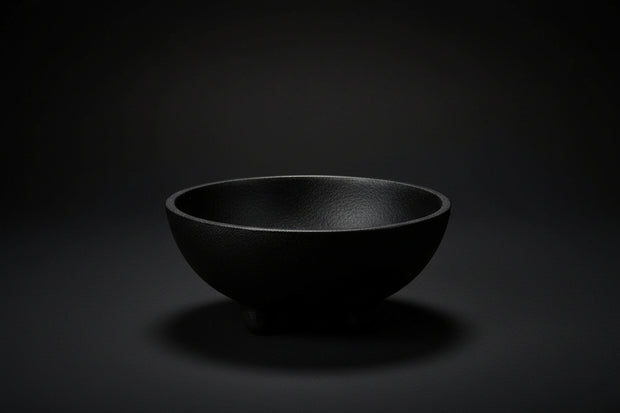
- A small bowl for water or food
- A cup for libations
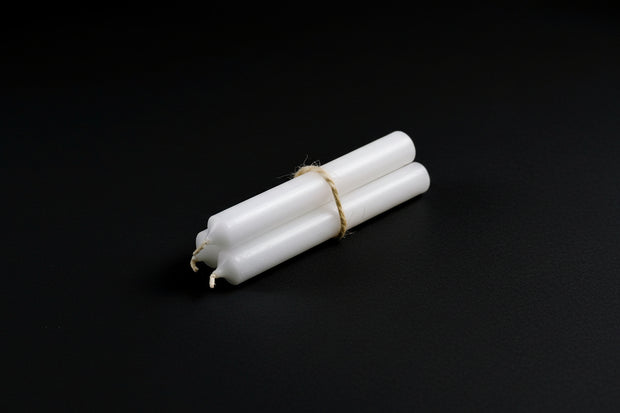
- An electric candle or safely placed flame
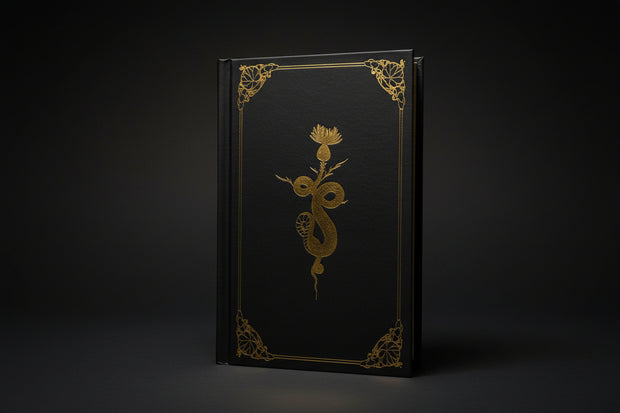
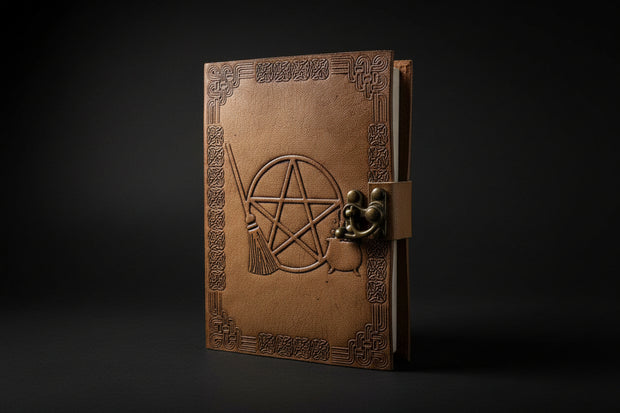
- A notebook for prayers, sources, and observations
The purpose is regular devotion, not theatrical display. Before adding many objects, learn how each symbol relates to the deity and whether the attribution is historical, modern, or personal. The general guide to building a deity altar can help with placement, maintenance, and safety.
A Beginner Devotional Rite
- Wash your hands and straighten the shrine.
- Place clean water in the offering bowl.
- State the deity’s name and one historically grounded title.
- Offer a short prayer of praise without demanding a sign.
- Present water, bread, fruit, incense, or another appropriate gift.
- Sit quietly and reflect on the deity’s myths, values, or place in the divine community.
- Thank the deity and close the rite clearly.
- Remove the offering according to its material, your household needs, and local environmental conditions.
This rite is a modern devotional structure inspired by ancient patterns of purification, invocation, praise, offering, and closure. It is not claimed as a preserved Ugaritic ceremony.
A Thirty-Day Study Plan
- Week one: Learn the geography and timeline of the Bronze and Iron Age Levant.
- Week two: Read a scholarly introduction to Ugarit and compare two translations of a major myth.
- Week three: Study one deity across myths, ritual texts, inscriptions, and archaeological objects.
- Week four: Establish one weekly offering, document your sources, and identify which parts of your rite are ancient evidence, informed reconstruction, or personal adaptation.
Common Misconceptions
“Canaanite religion was one uniform faith.”
It was a family of related regional traditions practiced across different cities and centuries. Local variation is central, not incidental.
“Ugarit represents every ancient Canaanite community.”
Ugarit provides exceptional evidence, but its northern location, international connections, and specific historical period make it one major source rather than a universal model.
“Every goddess figurine is Asherah.”
Identification requires archaeological context, inscriptions, dating, and comparison. A female image cannot be assigned to a named goddess by appearance alone.
“Baal was always one evil god.”
Baal can mean “lord,” and several local divine titles used the word. Negative portrayals in later polemical traditions do not replace the need to study each ancient context.
“Ancient sacrifice must be copied literally.”
Modern practitioners can preserve the religious principles of gift, hospitality, reciprocity, and community support without harming animals or people. Historical awareness does not require recreating every ancient institution.
“A personal revelation proves ancient history.”
Devotional experiences may matter deeply to the practitioner, but they are not archaeological evidence. Scholarship and personal religion answer different kinds of questions.
Cultural Respect, Heritage, and Modern Politics
The ancient Levant is also the homeland and heritage of living peoples. Its history intersects with Judaism, Christianity, Islam, Druze traditions, and the cultures of modern Syria, Lebanon, Israel, Palestine, Jordan, and their diasporas. Ancient religious study should never be used to deny modern communities their identities or to turn archaeology into a simplistic territorial claim.
Ancient Israelite, Phoenician, Aramean, Ugaritic, and other Northwest Semitic traditions developed in overlapping cultural worlds, but they are not interchangeable. Modern Judaism, Christianity, and Islam are living religions, not collections of symbols available for careless appropriation or ridicule.
Ethical study also means rejecting looted antiquities. Purchase legally made reproductions, use museum images according to their licenses, support responsible archaeological work, and avoid sellers who cannot explain an object’s origin. Conflict-zone antiquities trafficking damages both scholarship and living communities.
Frequently Asked Questions
Is Canaanite Paganism the same as Wicca?
No. Wicca is a modern religion with its own ritual forms, theology, festivals, and initiatory histories. Canaanite reconstructionism focuses on ancient Levantine evidence and culturally specific deities.
Do I need to learn Ugaritic?
No, but learning the alphabet, common divine names, and basic translation issues can improve your source awareness. Beginners should compare reputable translations rather than relying on unsourced quotations.
Can I honor Baal, El, Athirat, or Anat together?
Yes, their relationships appear in Ugaritic literature, but you do not need to worship the entire pantheon. Begin with study, simple offerings, and a clear understanding of the historical setting.
Are Asherah and Athirat the same goddess?
The names are linguistically related and scholars connect them, but evidence varies by language, location, and period. Use the form appropriate to the tradition and source you are studying.
Can I combine Canaanite and Mesopotamian gods?
Ancient cultures interacted and sometimes identified or adopted foreign gods, but modern combination should follow evidence rather than convenience. Study each deity in their original setting before creating a mixed practice.
What is the best first offering?
Clean water is simple, hospitable, inexpensive, and easy to dispose of responsibly. Add bread, olive oil, fruit, incense, or a devotional act after researching the deity and your household’s safety needs.
Beginning With Evidence and Reverence
Canaanite and Levantine Paganism offers a deep field of study shaped by ancient cities, divine councils, storm and sea myths, temple offerings, household devotion, and centuries of regional change. Its strength lies not in pretending that every gap has been filled, but in approaching the surviving evidence with patience, humility, and reverence.
Choose one region, one deity, and one dependable source. Build a small practice you can sustain, label your adaptations honestly, and allow scholarship to refine your devotion over time.
Tools for this practice
Explore the products selected for this guide. Review each listing for what is included and how to use it.
Shop this guide · 4 items Collapse


Keep exploring the shop
You made it to the end of the guide. Keep exploring through related products, major departments, or the full catalog.
 RELATED TO THIS GUIDE
Ritual Supplies & Altar Tools
Shop this topic
RELATED TO THIS GUIDE
Ritual Supplies & Altar Tools
Shop this topic


Leave a comment