


How to Choose a Crystal Gift Without Assuming Someone’s Beliefs

A crystal can be a beautiful gift for a mineral collector, jewelry wearer, spiritual practitioner, decorator, student, or someone who simply enjoys color and natural form. The difficult part is not finding an object with an appealing name. It is choosing something that fits the recipient without assigning beliefs, needs, or problems to them.
A thoughtful crystal gift says, “I noticed what you enjoy.” It should not say, “I decided what is wrong with you and purchased a stone to fix it.”
Begin With the Recipient, Not the Correspondence List
Consider what you already know:
- Do they collect minerals or practice with crystals?
- Do they prefer natural specimens, polished forms, jewelry, or home décor?
- Are they interested in geology, metaphysical symbolism, color, locality, or craftsmanship?
- Do they wear bold pieces or subtle ones?
- Do they have children, pets, allergies, mobility limitations, or limited display space?
- Would they rather choose the exact piece themselves?
When you do not know their beliefs, describe the gift through physical qualities and your personal reason for choosing it. Traditional symbolism can be included as optional context rather than a claim about what the recipient requires.
Choose the Form Before the Stone
| Gift Form | Best When | Check First |
|---|---|---|
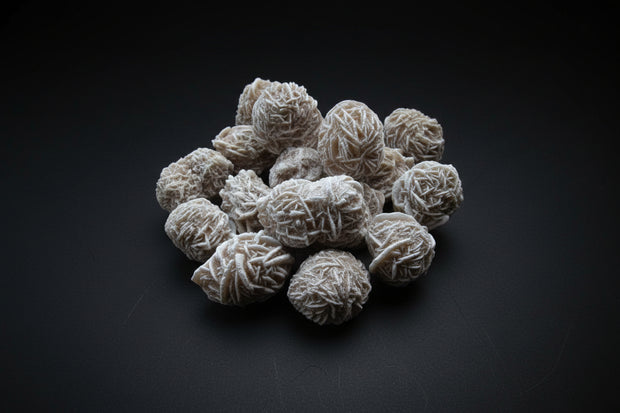
| Natural specimen | The recipient collects minerals or enjoys natural formations | Fragility, size, locality, display needs |
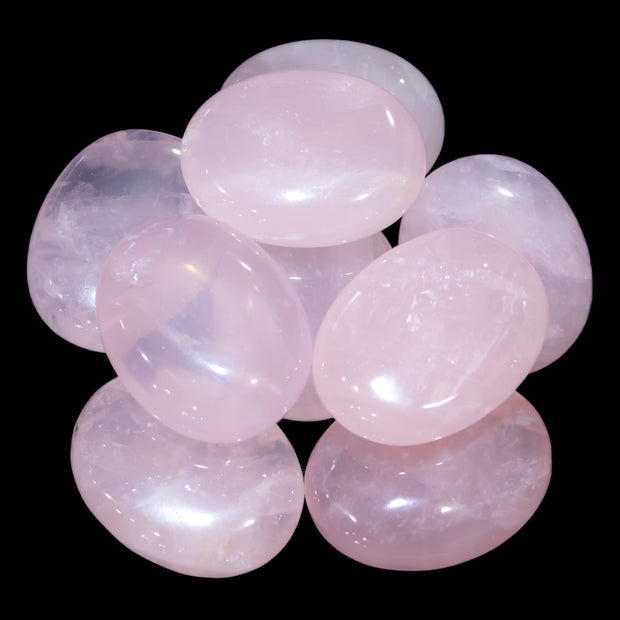
| Tumbled or palm stone | You want a compact, affordable object | Exact size, material, small-child or pet hazards |
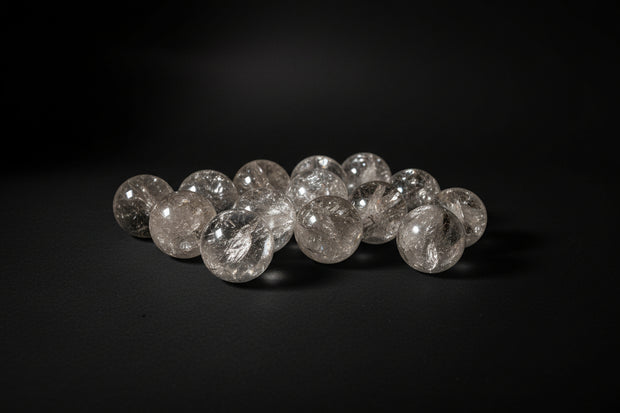
| Sphere or tower | The recipient likes display pieces | Stand, stability, weight, shelf space |
| Bracelet | You know they wear stretch-bead jewelry | Wrist fit, bead size, cord care |
| Pendant or ring | You know their metal and style preferences | Chain length, ring size, metal sensitivity |
| Boxed collection | They are beginning a collection or study project | Accurate labels and storage |
For a comparison of common forms, read Tumbled Stones, Palm Stones, Towers, and Natural Specimens.
Do Not Diagnose the Recipient
Avoid presenting a gift as treatment for anxiety, infertility, grief, addiction, illness, financial difficulty, relationship trouble, or another personal issue unless the recipient specifically requested that symbolism. Even then, a crystal should not be represented as medical or professional care.
Safer gift language includes:
- “The color reminded me of you.”
- “I know you enjoy unusual mineral patterns.”
- “This is traditionally associated with calm, if that symbolism interests you.”
- “I thought this would look beautiful with your collection.”
- “You mentioned wanting to learn more about quartz varieties.”
Match the Gift to Their Actual Interests
For the mineral collector
Prioritize species, crystal habit, locality, matrix, condition, and provenance. Keep the original label with the piece. Read What Makes a Mineral Specimen Collectible?.
For the spiritual practitioner
Consider their own tradition and stated preferences. A practitioner may care about color, planetary or elemental symbolism, ethical sourcing, ritual size, or whether the item can be safely cleaned according to their practice.
For the jewelry wearer
Match their usual metal tone, scale, and clothing. Confirm bracelet fit and bead size rather than assuming every stretch bracelet fits every wrist. Review How to Choose a Crystal Bracelet and Crystal Jewelry Care.
For the decorator
Think about color palette, available shelf space, lighting, stability, and whether the piece has sharp points or requires a stand.
Ask About Treatments and Durability
A vivid color or unusual effect may be natural, enhanced, coated, dyed, reconstructed, or synthetic. These materials can still make attractive gifts when accurately described. Treatment affects care and should remain with the gift information.
Also consider hardness, toughness, cleavage, and the setting. A stone can resist scratching yet break easily when dropped. Learn more in Crystal Hardness vs. Toughness vs. Cleavage.
Consider Household Safety
- Small stones and beads can be choking hazards.
- Heavy spheres can roll from unstable stands.
- Sharp clusters may not suit homes with young children.
- Some minerals should not be placed in drinking water or handled as powders.
- Fragile specimens may shed needles, flakes, or matrix.
- Jewelry metals and adhesives may matter to sensitive wearers.
Do not include instructions for crystal elixirs, ingestion, or skin applications unless the product was specifically manufactured and labeled for that use.
Set a Budget Without Treating Price as Spiritual Power
A meaningful gift can be a single tumbled stone, a modest bracelet, a carefully labeled specimen, or a larger display piece. Higher price may reflect rarity, locality, size, quality, labor, or jewelry materials. It does not mean the object has stronger spiritual power or that affection should be measured by cost.
Use a Gift Receipt When Choice Is Personal
Color, pattern, fit, and symbolic preference are personal. A gift receipt or exchange option allows the recipient to choose without rejecting the thought behind the gift. Keep labels and product information intact.
Presentation Matters
Include a short card with:
- the product or mineral name;
- locality or treatment information when known;
- basic care instructions;
- why you selected it;
- traditional symbolism clearly identified as tradition, not guarantee.
Avoid removing an original mineral label merely to make the wrapping prettier. Documentation can be part of the object’s value.
Explore Gift Options
Browse Crystals & Stones for specimens and polished forms, or the Jewelry collection for wearable options. Examples include Golden Healer Quartz and the Golden Healer Bracelet.
Frequently Asked Questions
What crystal is safe to give anyone?
No single crystal is universally appropriate. Choose according to the recipient’s taste, household, beliefs, and intended use.
Should I cleanse a crystal before gifting it?
There is no universal requirement. Physical cleaning should match the material, and spiritual preparation should respect the recipient’s own practice.
Is it rude to give a synthetic or treated crystal?
No, provided it is accurately disclosed and suits the recipient. Misrepresentation is the issue, not the category itself.
How do I choose a bracelet size?
Use the recipient’s wrist measurement or compare with a bracelet they already wear. Bead size also changes how a bracelet fits and feels.
Can I give a crystal to someone who is Christian or not spiritual?
Yes, when the gift is framed according to their interests and boundaries—for example as jewelry, geology, art, or natural history rather than an imposed spiritual practice.
What should I write on the gift card?
Explain the personal reason you chose the piece. Optional traditional symbolism can be mentioned without making promises about healing or destiny.
The Best Gift Leaves Room for the Recipient
Choose a crystal because it reflects something you know about the person: their color preference, collection, style, curiosity, or practice. Accurate information, practical care, and freedom from unwanted assumptions make the gift more respectful and more likely to be enjoyed.
Tools for this practice
Explore the products selected for this guide. Review each listing for what is included and how to use it.

Shop this guide · 4 items Collapse


Keep exploring the shop
You made it to the end of the guide. Keep exploring through related products, major departments, or the full catalog.
 RELATED TO THIS GUIDE
Crystals & Stones
Shop this topic
RELATED TO THIS GUIDE
Crystals & Stones
Shop this topic


Leave a comment