


Kitchen Witchcraft Tools: Building a Practical Magical Kitchen

A kitchen witchcraft practice does not begin with a special cauldron, an expensive knife, or a shelf full of jars. It begins with attention: noticing what you prepare, why you prepare it, how ingredients move through your home, and what habits you repeat around nourishment, hospitality, protection, gratitude, and care.
The most useful kitchen witchcraft tools are usually ordinary utensils that already perform their practical jobs well. A spoon can stir a meal and help focus an intention. A cutting board can become the place where preparation begins. A notebook can preserve recipes, observations, substitutions, and results. Specialized ritual tools can add symbolism, but they should support the work rather than make the practice less safe or more complicated.
This guide explains how to build a practical magical kitchen, how to separate food-contact tools from ritual-only objects, and how to choose equipment that fits your home, budget, mobility, and actual practice.
What Makes a Kitchen Tool Magical?
A tool becomes part of kitchen witchcraft through consistent use, assigned meaning, and deliberate attention. It does not need to look antique, mysterious, or traditionally “witchy.” A practitioner might dedicate a wooden spoon to comforting meals, keep a notebook for seasonal recipes, or use an ordinary mug for a brief morning reflection.
The important questions are practical:
- What task does the tool perform?
- Is it safe for that task?
- Can it be cleaned properly?
- Does its symbolism help you focus?
- Will you realistically use it?
A beautiful object that cannot be cleaned, stored, or used safely is not automatically a better magical tool.
Use a Three-Zone System
The clearest way to organize a magical kitchen is to divide tools and materials into three zones.
Zone One: Food-contact tools
These are utensils, cookware, bowls, jars, knives, cutting boards, and appliances made and maintained for preparing food. They should be suitable for their intended temperature, ingredients, and cleaning method.
Food-contact tools may be incorporated into intentional cooking, but ordinary sanitation still comes first. Wash hands, prevent cross-contamination, follow tested recipes when preservation is involved, and use appropriate cooking temperatures.
Zone Two: Carefully managed dual-purpose tools
Some ordinary food-safe tools may serve both practical and symbolic purposes. A clean wooden spoon, ceramic mug, mixing bowl, or mortar and pestle can be used in intentional cooking when it remains suitable for food contact and is cleaned normally.
Dual-purpose use stops being appropriate when a tool has touched ritual oils, incense, wax, non-food-grade herbs, spell powders, toxic plants, unknown metals, crystals, resins, ash, or other materials that should not enter food. Once contamination is possible, retire the object from culinary use.
Zone Three: Ritual-only tools
Decorative bowls, offering vessels, incense burners, ritual spoons, candle tools, selenite dishes, shells, and many altar objects belong in a ritual-only zone unless the manufacturer specifically confirms that they are food-safe for the intended use.
“Natural,” “ceramic,” “metal,” “stone,” and “handmade” do not automatically mean food-safe. A glaze may not be intended for food contact. A metal may react with acidic ingredients. A porous stone may absorb liquid. A decorative object may contain coatings, adhesives, solder, pigments, or finishes that are not designed for ingestion.
Essential Kitchen Witchcraft Tools
You can build a strong practice with ordinary kitchen equipment. Begin with what you already own and replace items only when they no longer perform safely or comfortably.
A dependable stirring spoon
A wooden, stainless-steel, or heat-safe silicone spoon is one of the most versatile tools in the kitchen. It can stir soup, fold batter, combine herbs, or mark a moment of focus.
Some practitioners stir clockwise while concentrating on building, welcoming, or strengthening, and counterclockwise while reflecting on release or reduction. These are modern symbolic conventions rather than universal laws. Use them only when they make the action clearer for you.
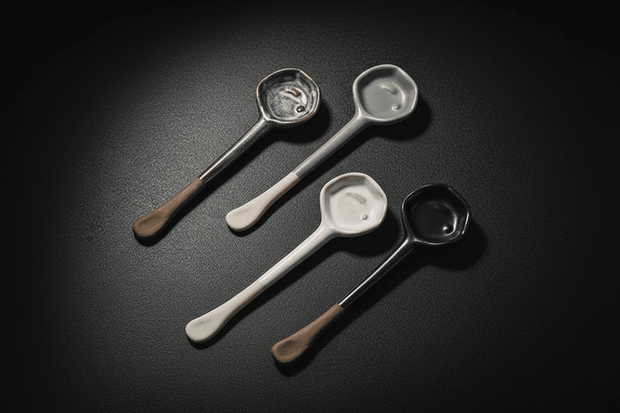
A decorative Witch’s Ritual Spoon can be kept for measuring or moving ritual-only materials. Do not assume a ritual spoon is suitable for food preparation unless its materials and food-contact safety are explicitly documented.
A knife and stable cutting board
A sharp, well-maintained kitchen knife is safer and more useful than a dull ceremonial-looking blade. Use a stable cutting board, keep fingers clear, and choose a knife appropriate to your ability and the ingredient.
Kitchen knives should remain practical food tools. Do not coat them with ritual oils, pass them through smoke that may leave residue, carve candles with them, or use them on non-food materials if they will return to food preparation.
You do not need an athame or ritual blade to practice kitchen witchcraft. A ritual blade and a chef’s knife serve different purposes and should not be treated as interchangeable.
Mixing bowls
Food-safe mixing bowls provide space for combining ingredients while observing texture, color, scent, and transformation. Stainless steel and glass are often easy to clean, while ceramic bowls should be checked for chips and appropriate glaze.
Keep offering bowls and decorative stone bowls separate. The store’s Offering Bowls collection contains vessels intended for altar and ritual use; they should not be treated as food preparation equipment unless a specific product is expressly documented for food contact.
Measuring cups, spoons, and a kitchen scale
Measurement does not make a practice less intuitive. It makes recipes repeatable and can prevent waste, failed baking, unsafe concentrations, and preservation errors.
Use culinary measuring tools for food and separate measuring tools for ritual powders, resins, loose incense, wax additives, or non-food-grade herbs. Label ritual-only tools clearly.
A kettle, pot, or saucepan
A dependable vessel for heating water or preparing food is more useful than a decorative cauldron placed on an unsuitable heat source. Use cookware according to manufacturer instructions, and never heat an empty vessel unless it is specifically designed for that process.
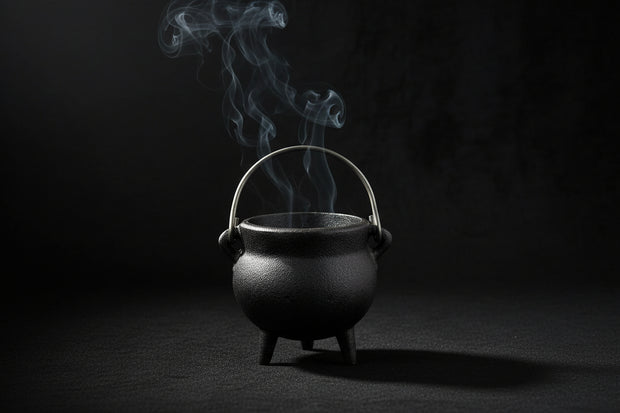
Cast-iron cauldrons can be meaningful ritual objects, but many are sold for incense, offerings, or symbolic spellwork rather than cooking. A compact vessel such as the Mini Plain Cast-Iron Cauldron with Lid should be treated as ritual-only unless its manufacturer provides clear food-use instructions and you maintain it exclusively for that purpose. Read the full guide to choosing and using a witchcraft cauldron before working with heat, charcoal, or flame.
A mortar and pestle
A culinary mortar and pestle can grind spices, crush seeds, and combine food-grade ingredients. Choose a size and material suited to what you prepare, and follow the manufacturer’s seasoning and cleaning instructions.
Keep a separate mortar and pestle for non-food ritual materials. Resins, incense, spell powders, toxic botanicals, and essential oils can leave residues that are difficult to remove completely.
Storage jars and labels
Clear labels are among the most important tools in any herbal or magical workspace. Every stored plant or powder should be identifiable without relying on appearance or memory.
A useful label can include:
- Common name
- Botanical name when identification matters
- Supplier or source
- Purchase or harvest date
- Intended use
- Food-grade or ritual-only status
- Known hazards, allergens, or household restrictions
Never place a ritual herb into an old culinary container without changing the label completely. Never assume a product is edible because the plant is sometimes used in food or tea. The specific material must be identified, uncontaminated, appropriately processed, and expressly sold for consumption.
A timer, thermometer, and oven protection
Practical safety tools belong in magical practice. A timer protects food and helps prevent unattended heat. A food thermometer supports safe cooking. Oven mitts, trivets, and stable heat-resistant surfaces protect hands and counters.
Intention cannot substitute for temperature control, safe handling, or attention.
A working journal
Record recipes, ingredient substitutions, seasonal observations, household traditions, results, and safety notes. Include what you actually did rather than only what you planned.
A kitchen journal may become a recipe book, household grimoire, or section of a larger magical record. Our guide to Books of Shadows and grimoires explains how those terms are used and how to begin a practical record.
Optional Ritual Tools for the Kitchen
Specialized objects can mark a transition between ordinary cooking and ritual work, but they remain optional.
A small ritual tray or contained altar
A tray can hold an LED candle, seasonal symbol, written intention, or ritual-only spoon. Keeping the arrangement movable makes it easier to clear the counter before food preparation.
Do not place altar items beside a hot burner, open flame, sink edge, raw food, or active cutting area. Browse Altar Tools for dedicated ritual objects, then store them away from culinary equipment.
A ritual-only cauldron
A small cauldron may hold petitions, dry symbolic materials, or unlit offerings. When used for incense or charcoal, it requires ventilation, a heat-resistant surface, supervision, and enough clearance from cabinets, towels, oils, paper, children, and pets.
Never burn materials in cookware that will later prepare food. Never assume the legs or base of a cauldron remain cool. Do not use indoor flame or charcoal where building rules, ventilation, health conditions, or household safety make it inappropriate.
Candles and flameless lights
A candle can mark the beginning of a practice, but a kitchen already contains heat, grease, fabric, paper, and frequent movement. An LED candle is often the better choice.
If using flame, place it in a stable holder away from cooking oil, curtains, sleeves, towels, shelves, and traffic. Extinguish it before leaving the room. Never place herbs, glitter, crystals, or excessive oil near the wick. Keep ritual oils away from food and read the ritual oil safety guide before dressing candles or tools.
Herbs, Spices, and the Food-Grade Boundary
Kitchen witchcraft often uses the symbolism of herbs and spices, but symbolic use and dietary use are separate questions.
A plant may be used as a traditional culinary ingredient in one form while being unsafe in another quantity, preparation, or population. Some herbs interact with medications, affect pregnancy, trigger allergies, harm pets, or become dangerous when burned. Essential oils are highly concentrated and should not be added to food unless a qualified professional and the product’s explicit food-use labeling support that use.
Use grocery-store culinary ingredients for cooking. Treat occult-shop herbs, ritual powders, loose incense, and unidentified botanicals as non-food materials unless they are expressly labeled and sold for consumption.
For symbolic background, read Herbal Magic 101 and Spice Rack Magic. Correspondences are optional frameworks, not proof that an ingredient is medically effective or safe to ingest.
Cleaning, Consecration, and Cross-Contamination
Consecrating a kitchen tool should never make it less sanitary. A simple dedication can be performed after ordinary washing and drying: hold the clean tool, state how you intend to use it, and return it to its proper storage place.
Avoid coating food tools with ritual oil, burying them, placing them in salt that may scratch or corrode them, exposing them to smoke, or washing them with unsafe substances. Practical cleaning is not spiritually inferior.
Prevent cross-contamination by separating:
- Raw meat tools from ready-to-eat food
- Allergen-contact equipment when someone in the household is sensitive
- Food-grade herbs from ritual-only herbs
- Culinary oils from ritual oils
- Cooking vessels from incense and burning vessels
- Food storage from spell powders, resins, charcoal, and wax
Use sealed containers and visible labels. For broader organization guidance, see How to Store Witchcraft Supplies.
A Small-Space Kitchen Witch Kit
A complete practice can fit in one drawer or lidded box. A realistic small-space kit might contain:
- One ordinary food-safe stirring spoon
- One notebook and pen
- A set of labels
- One LED candle
- A small ritual-only dish
- A cloth or tray that can be removed before cooking
- Two or three safely stored symbolic ingredients
Shared kitchens require extra care. Do not leave blades, candles, herbs, powders, or spiritual objects where children, roommates, customers, or pets can reach them. A portable practice is often safer and more respectful than claiming permanent counter space.
Budget-Friendly Substitutions
You do not need duplicate versions of every utensil. Begin with ordinary food-safe tools and add ritual-only pieces only when a repeated practice creates a genuine need.
- Use a clean saucer instead of buying a special ritual dish.
- Use an LED tealight instead of a candle.
- Use a notebook instead of a decorated grimoire.
- Use grocery-store culinary herbs instead of uncertain ritual stock for cooking.
- Use a heat-safe household trivet instead of an altar tile near warm vessels.
- Use a removable tray instead of a permanent kitchen altar.
Tools should solve problems, not create financial pressure or replace basic cooking and safety skills.
A Ten-Minute Kitchen Witchcraft Practice
- Clear and clean the work surface.
- Choose one ordinary food or drink you already know how to prepare safely.
- Name one realistic intention, such as patience during a difficult day or gratitude for available food.
- Prepare the recipe normally, following food-safety instructions.
- During one repeated action—stirring, kneading, pouring, or steeping—return your attention to the intention.
- Finish the practical task completely. Turn off heat, put away ingredients, and wash tools.
- Write one sentence about what you prepared and how the practice affected your attention.
This method does not require dramatic visualization or unusual ingredients. It builds consistency by attaching reflection to an ordinary, completed task.
Common Kitchen Witchcraft Mistakes
Buying tools before developing a practice
Start with repeated actions. Purchase specialized tools only when you understand the task they will perform.
Assuming every natural material is safe
Natural stones, shells, metals, woods, herbs, and oils can be porous, toxic, reactive, allergenic, contaminated, or unsuitable for heat and food contact.
Using ritual-grade materials as food
A plant’s name does not confirm identity, purity, processing, dosage, or food-grade handling. Use ingredients sold for culinary consumption when cooking.
Mixing smoke and food preparation
Incense smoke, resin smoke, charcoal, and burned herbs can contaminate surfaces and aggravate respiratory conditions. Keep smoke work separate from active cooking and food storage.
Leaving flame unattended
A ritual does not justify stepping away from candles, burners, ovens, simmer pots, charcoal, or incense. Extinguish or turn off every heat source before leaving.
Making the practice too complicated
If every meal requires a long ritual, elaborate correspondences, and perfect timing, the practice may become exhausting. Use brief, repeatable actions that support daily life.
Build a Kitchen That Supports the Practice
A practical magical kitchen is organized, sanitary, adaptable, and honest about the difference between symbolism and material safety. Its most important tools are not necessarily the most decorative. They are the ones that help you prepare food carefully, protect the household, keep reliable records, and return attention to the values you want to practice.
Begin with the equipment already in your kitchen. Separate food-safe and ritual-only materials. Label everything clearly. Add specialized objects slowly, after you know what purpose they will serve.
For a broader introduction to the path, continue with Kitchen Witchcraft 101, then explore the store’s Ritual Supplies when you are ready to add carefully chosen, dedicated tools.
Frequently Asked Questions
Do kitchen witches need special tools?
No. Ordinary food-safe utensils, cookware, labels, and a notebook are enough to begin. Specialized ritual tools are optional.
Can the same spoon be used for cooking and ritual work?
Yes, when the ritual consists only of intentional use during normal food preparation and the spoon remains clean and food-safe. Do not return it to culinary use after contact with ritual oils, incense, wax, spell powders, non-food-grade herbs, or toxic materials.
Can I cook in a ritual cauldron?
Only when the manufacturer explicitly states that the vessel is suitable for food preparation and the material, coating, heat source, cleaning, and maintenance all support that use. Many occult cauldrons are intended for incense, offerings, or ritual work. Keeping ritual cauldrons separate from cookware is the safest default.
Are occult-shop herbs safe to eat?
Not automatically. Use a product in food only when it is correctly identified and expressly sold, handled, and labeled for culinary consumption. Otherwise, treat it as ritual-only.
Can I put crystals in food or drinking water?
Do not place crystals directly into food or water unless the material and product are specifically verified for that contact. Stones may contain soluble minerals, metals, treatments, dyes, coatings, fractures, or contamination. An indirect arrangement outside the container is safer.
How should I consecrate a food-safe kitchen tool?
Wash and dry it according to manufacturer instructions, hold it briefly, state its intended purpose, and store it properly. Consecration does not require smoke, oil, salt, burial, or any method that could damage or contaminate the tool.
Tools for this practice
Explore the products selected for this guide. Review each listing for what is included and how to use it.
Shop this guide · 2 items Collapse

Keep exploring the shop
You made it to the end of the guide. Keep exploring through related products, major departments, or the full catalog.
 RELATED TO THIS GUIDE
Ritual Supplies & Altar Tools
Shop this topic
RELATED TO THIS GUIDE
Ritual Supplies & Altar Tools
Shop this topic


Leave a comment